The theme of PARCO ISSUE, created in collaboration with the fashion brand "TOGA," is "QUEER CULTURE." Starting from gender minorities, it examines queer culture, which spreads across a wide range of genres including music, film, art, and literature, from the perspectives of fashion and culture.
Four guests from different genders, generations, and cultural backgrounds—Yasuko Furuta (TOGA designer), Junko Gosho (writer and writer), Reiji Saito (video artist), and Yiqing (DJ, organizer)—will appear and discuss "queer" from their respective perspectives.
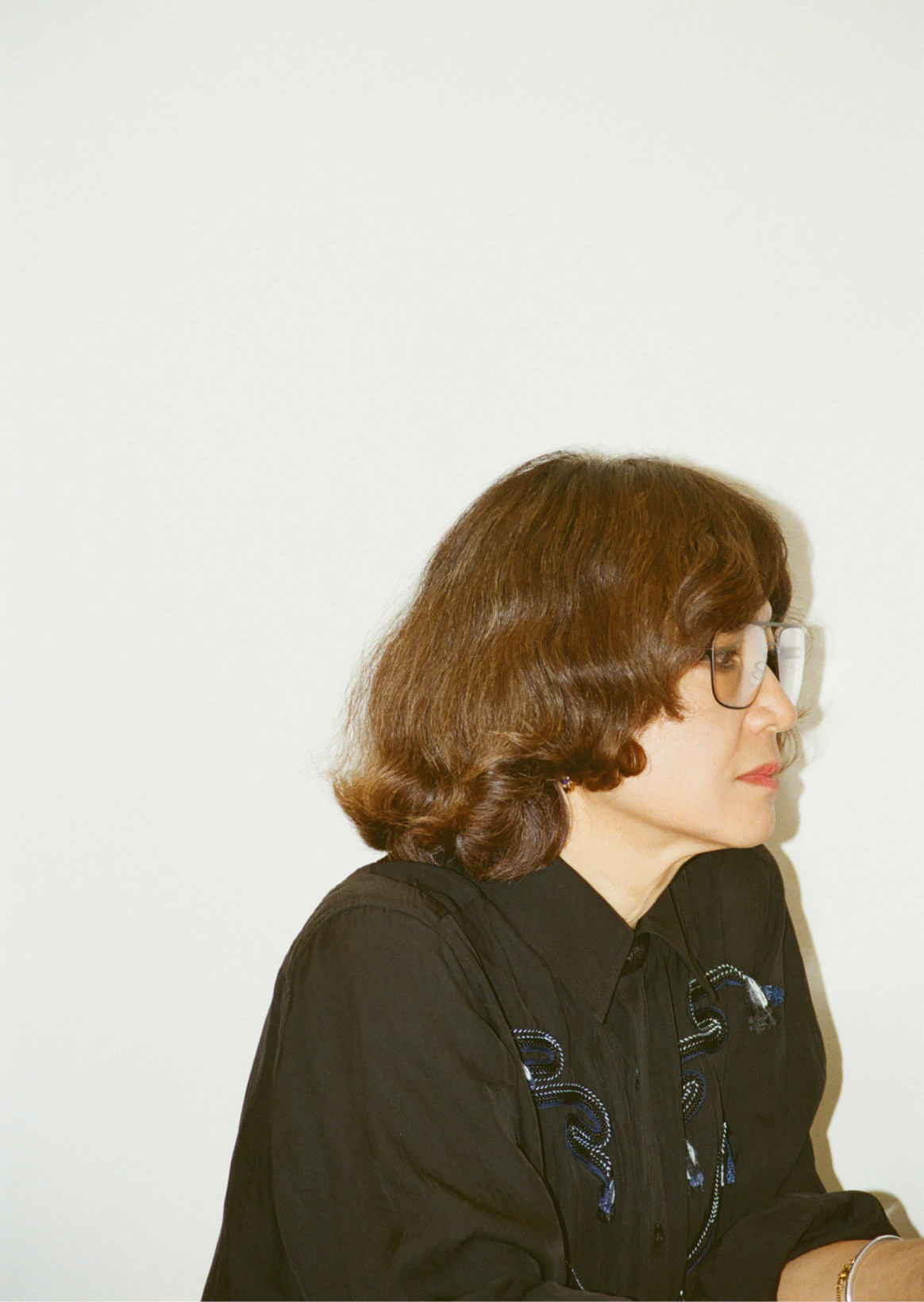
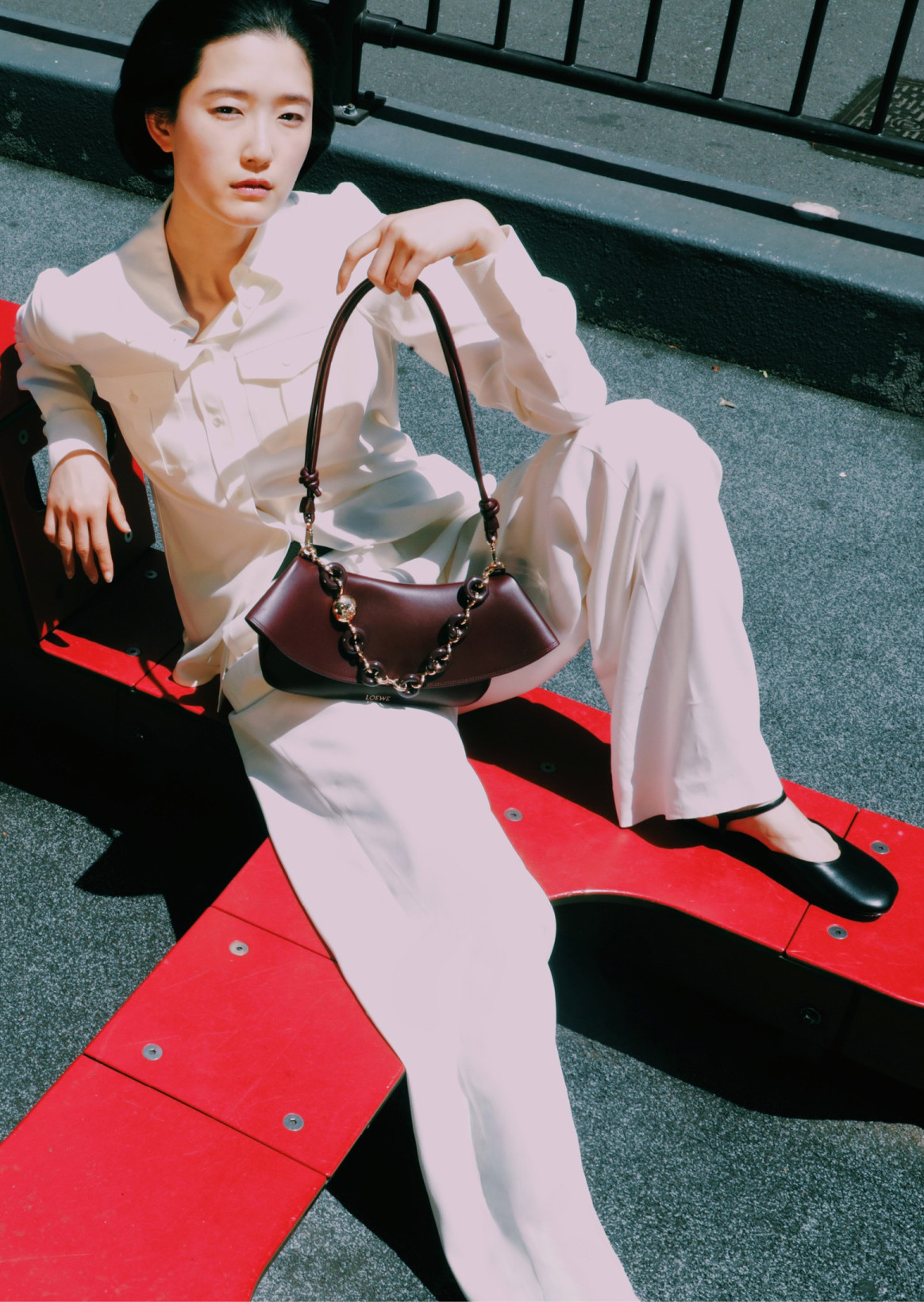
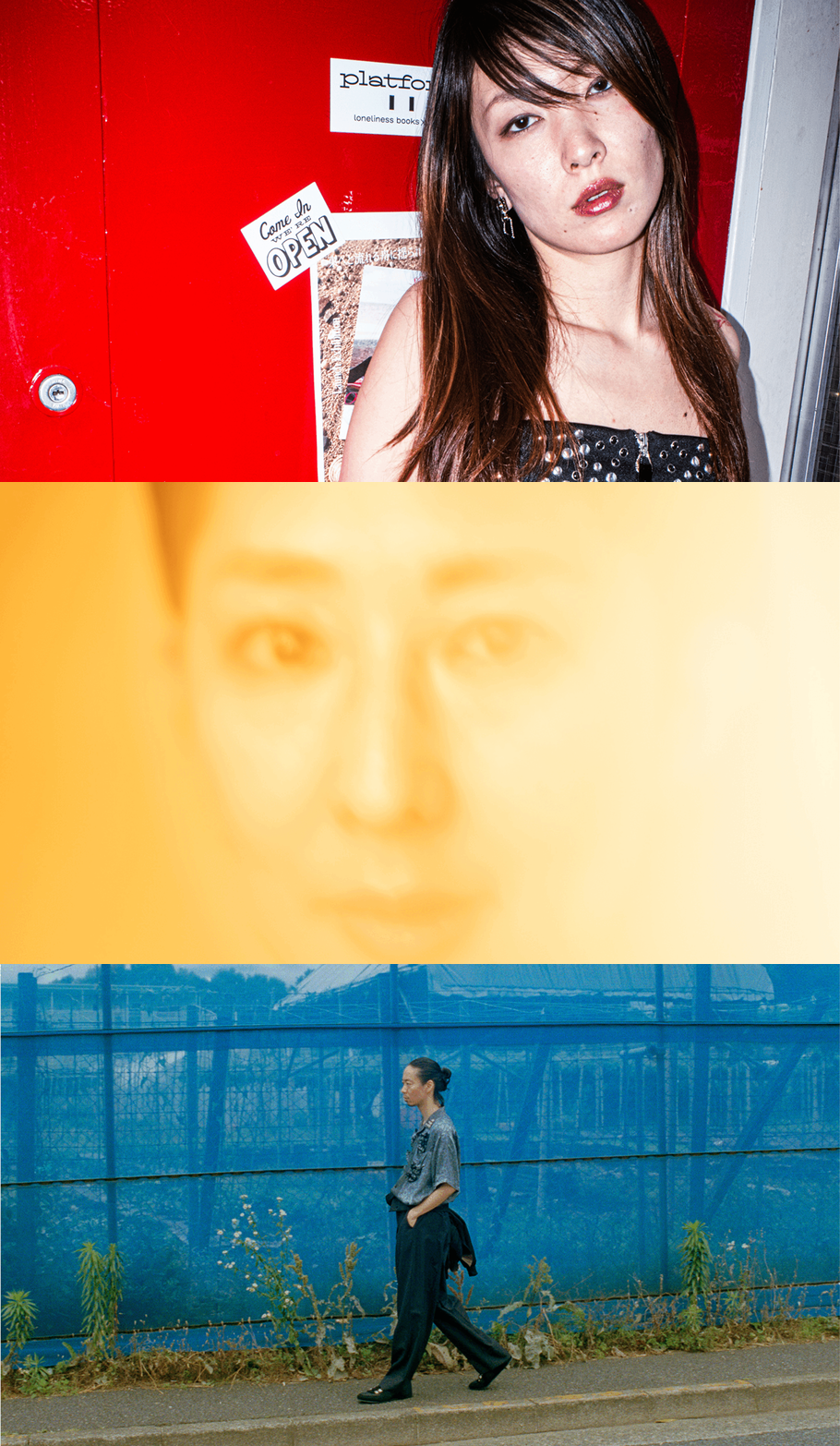
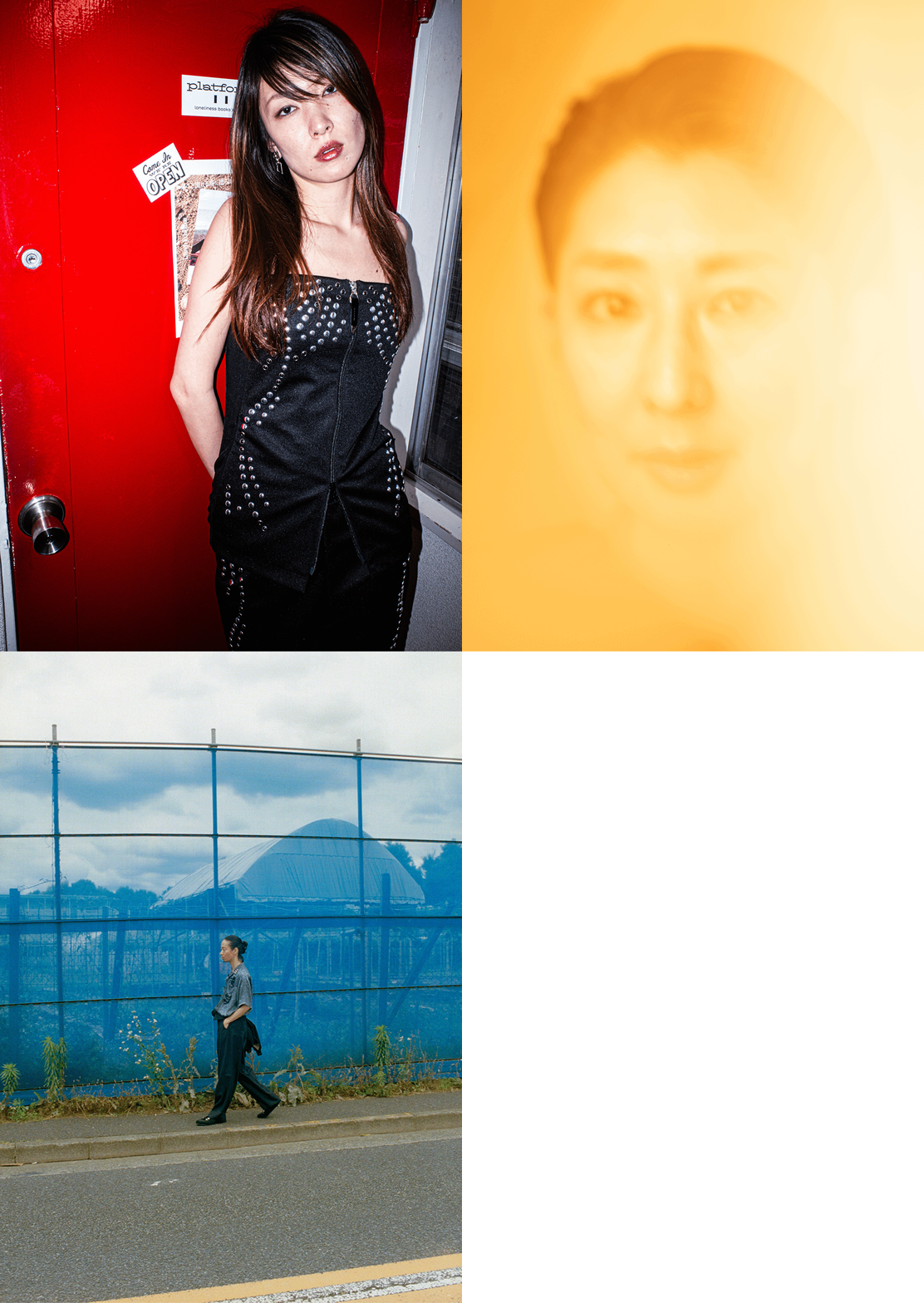
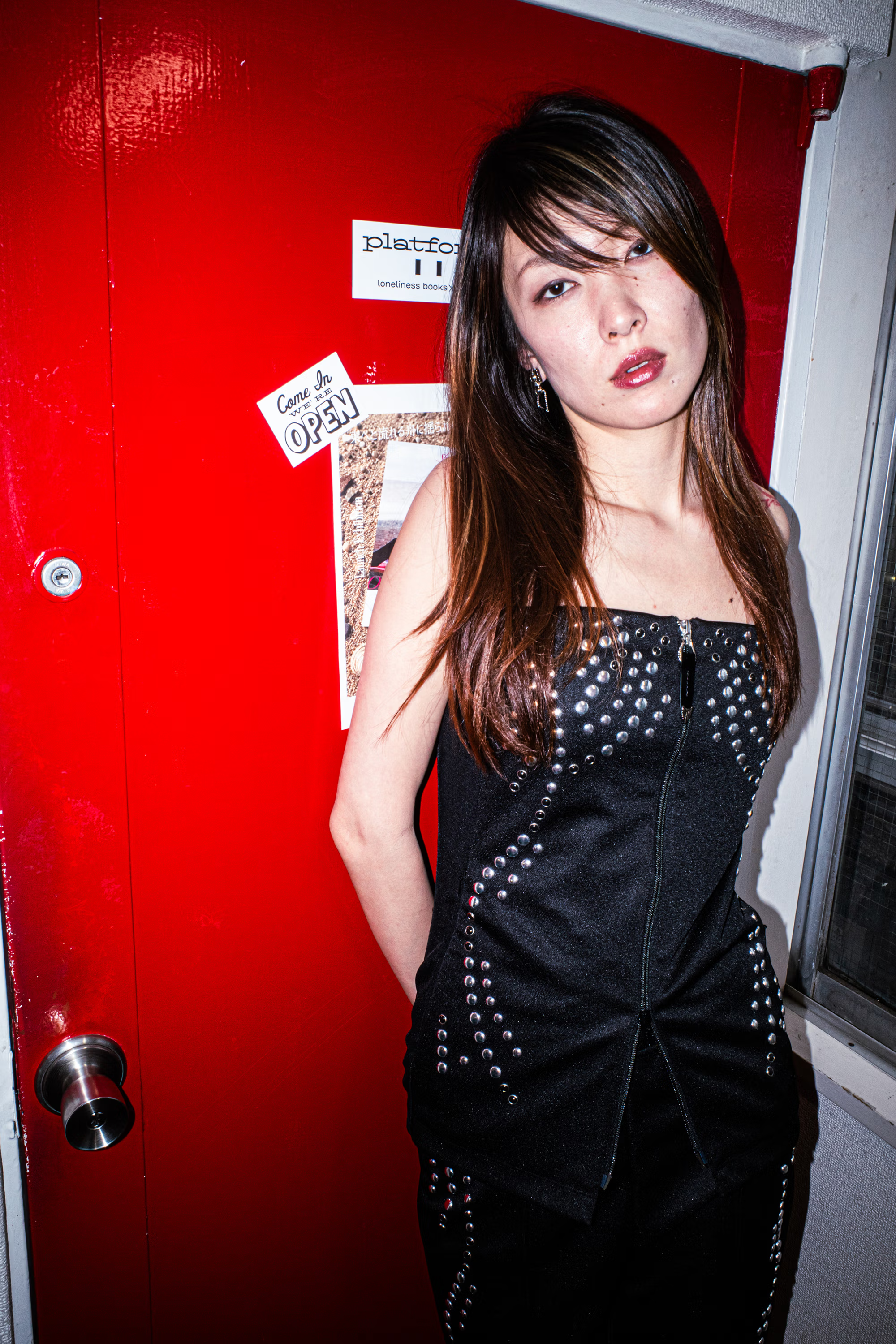
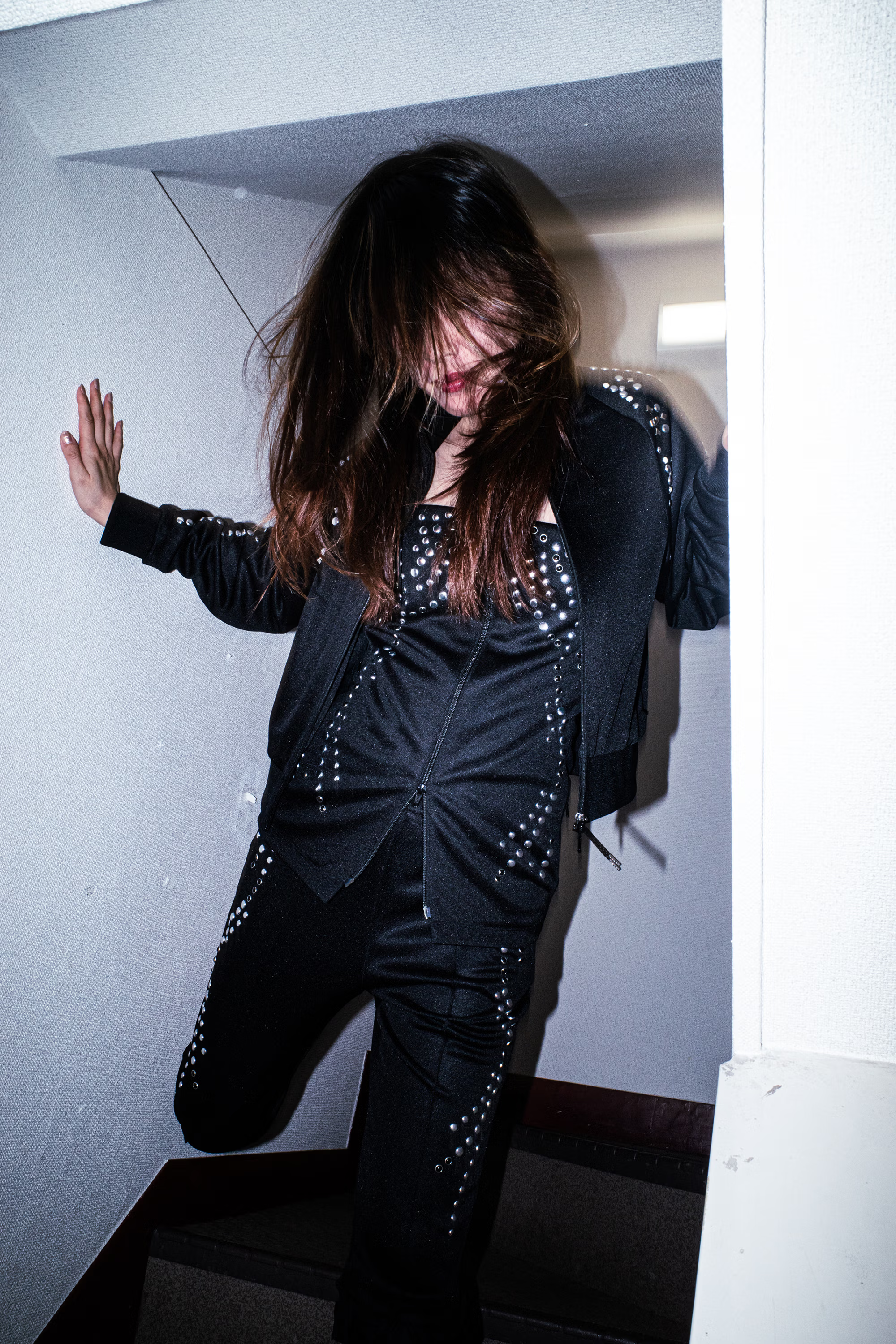
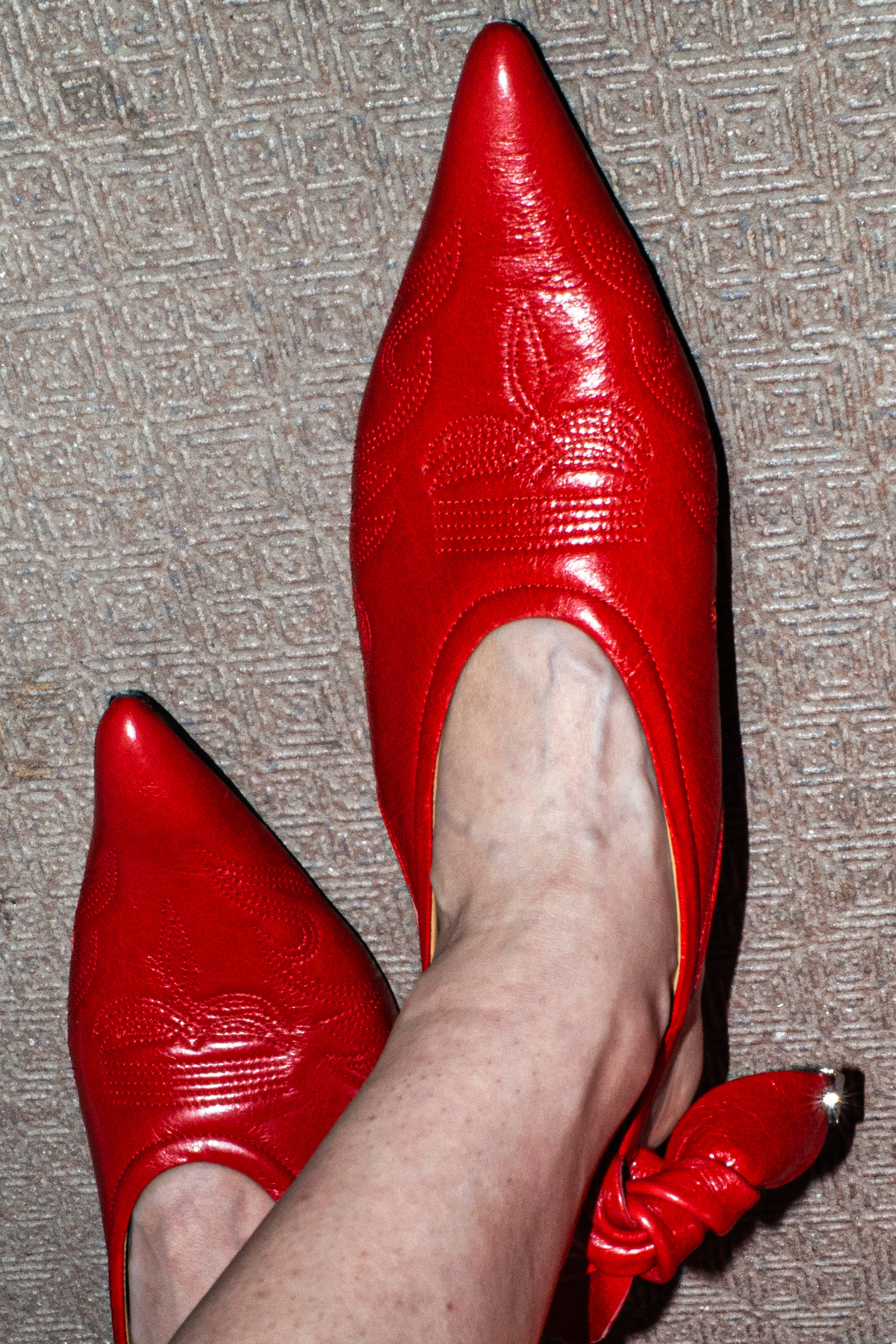
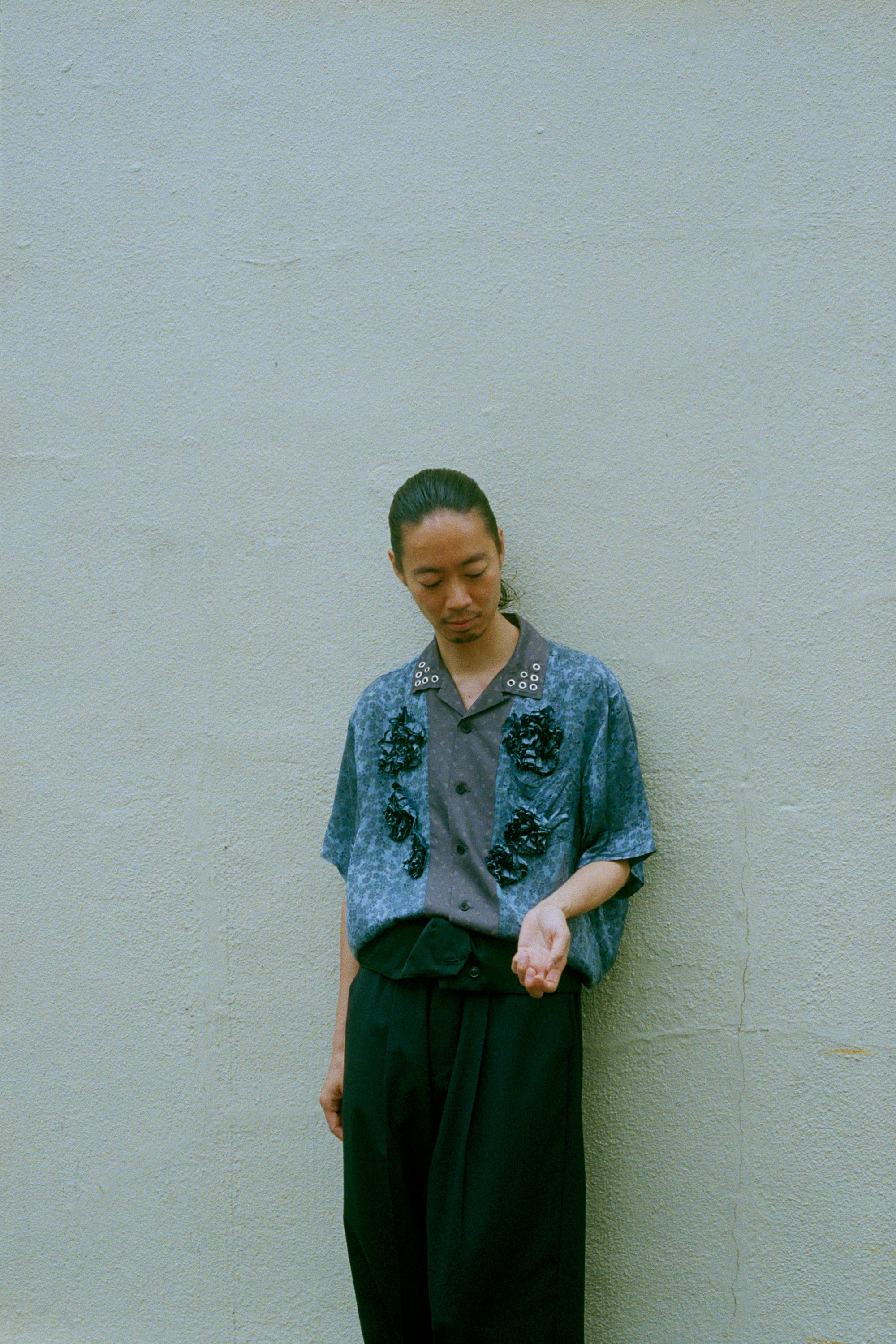
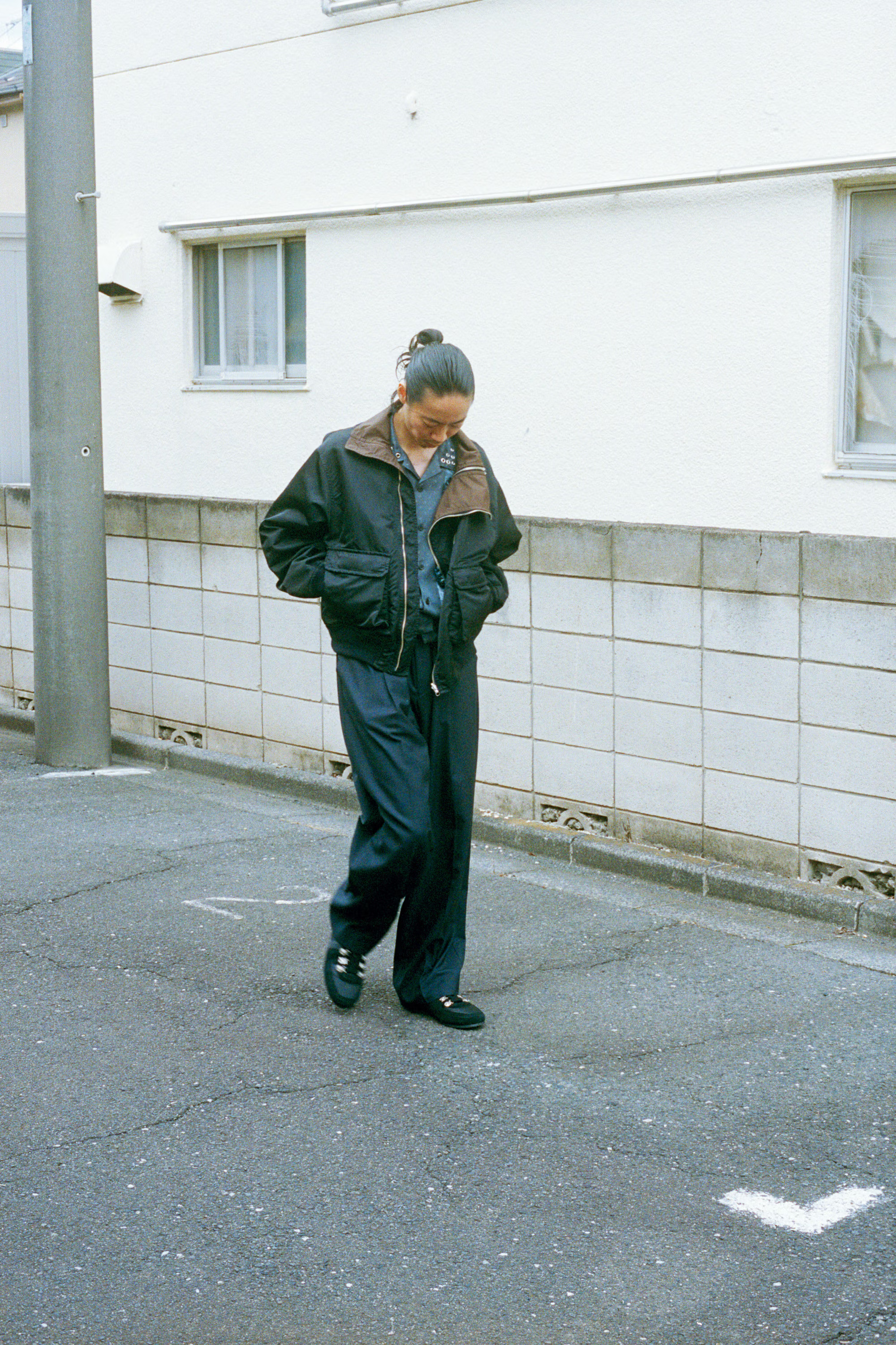
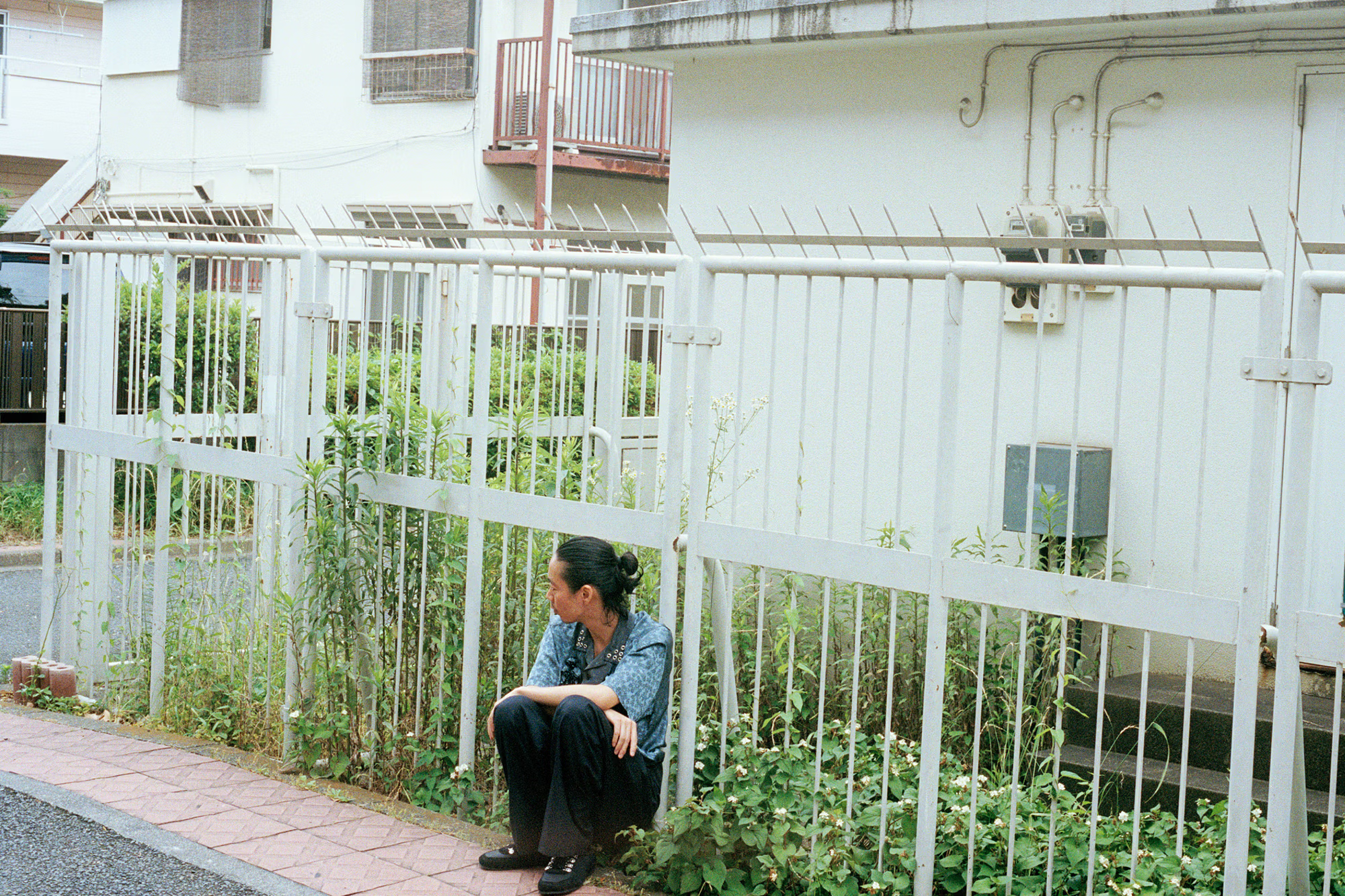
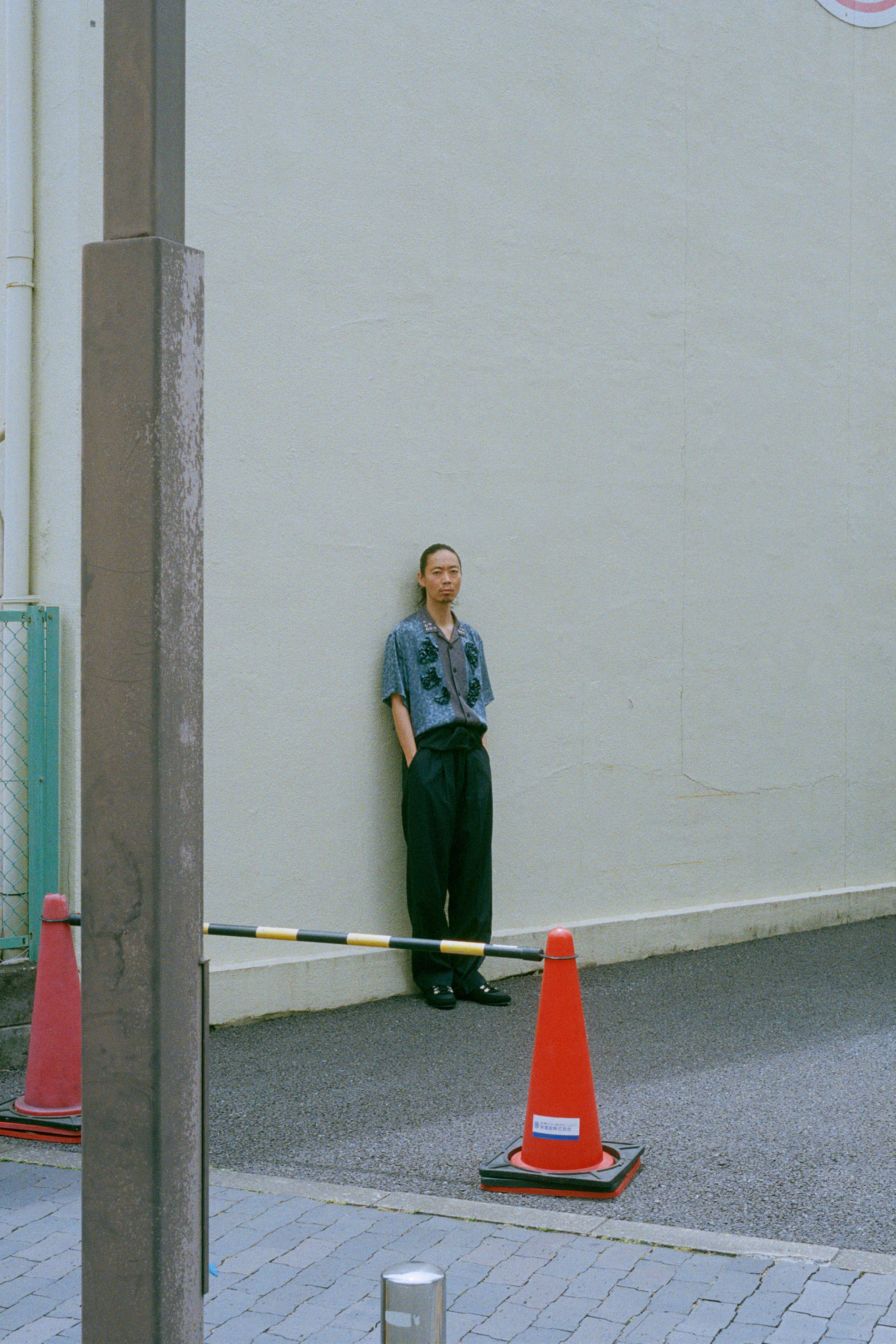
Four photographers—Masayuki Shiota, Reiko Toyama, Ryu Ika, and Niels Junji Edström—dressed in the new "TOGA" collection, took exclusive fashion portraits.
- Creative Direction & Edit
- Akira Takamiya(Moder—n)
- Photography
- Masayuki Shioda,
────Reiko Toyama,
────Ryu Ika,
────Nils Junji Edström
- Film Direction
- Taro Okagawa
- Interview & Text
- Nozomi Kinoshita,
────Yui Nogiwa
────(RCKT/Rocket Company*)
Movie | Talking about Queer
Directed by Taro Okagawa
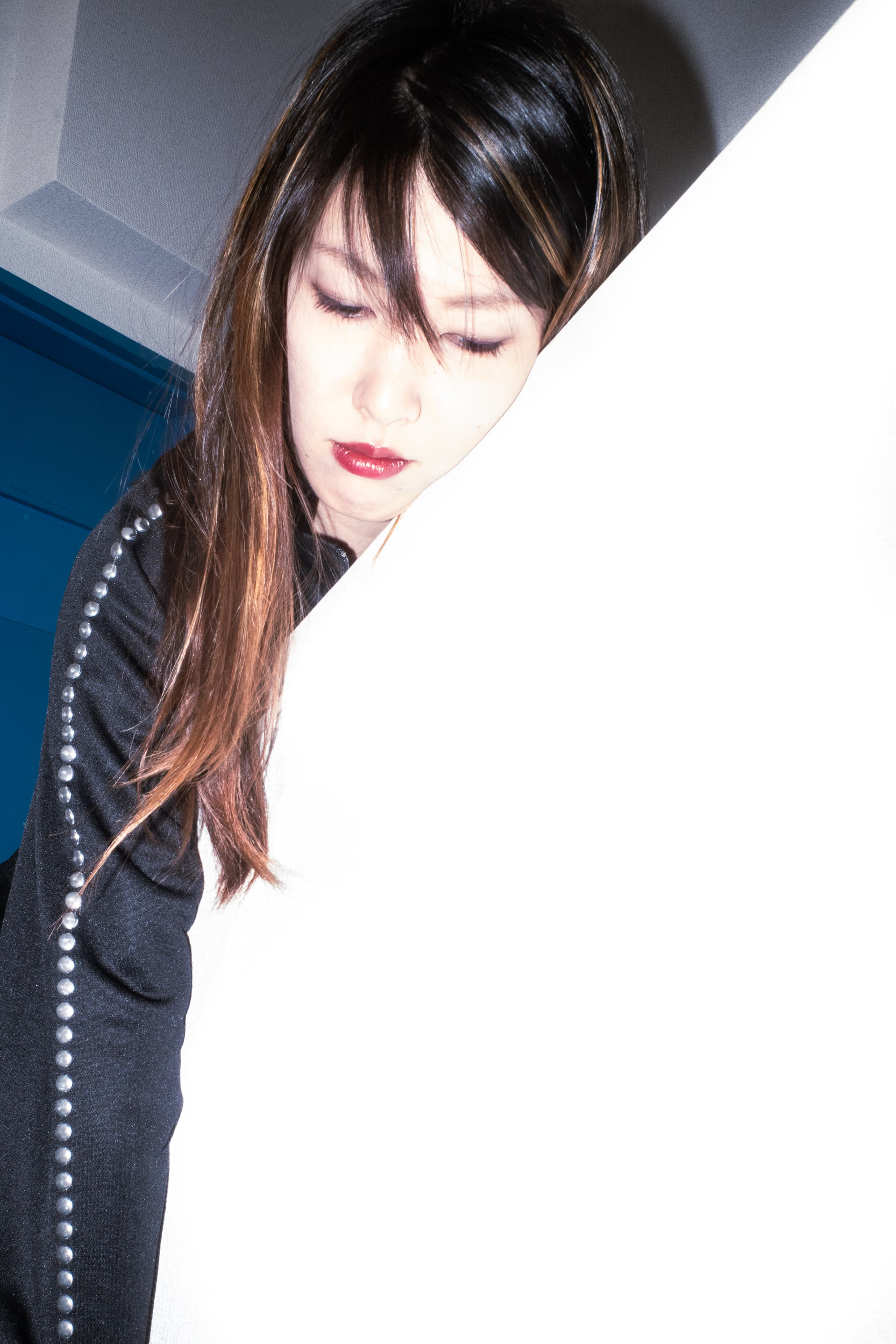
Interview | Yiqing
The universality of simply being happy and true to oneself
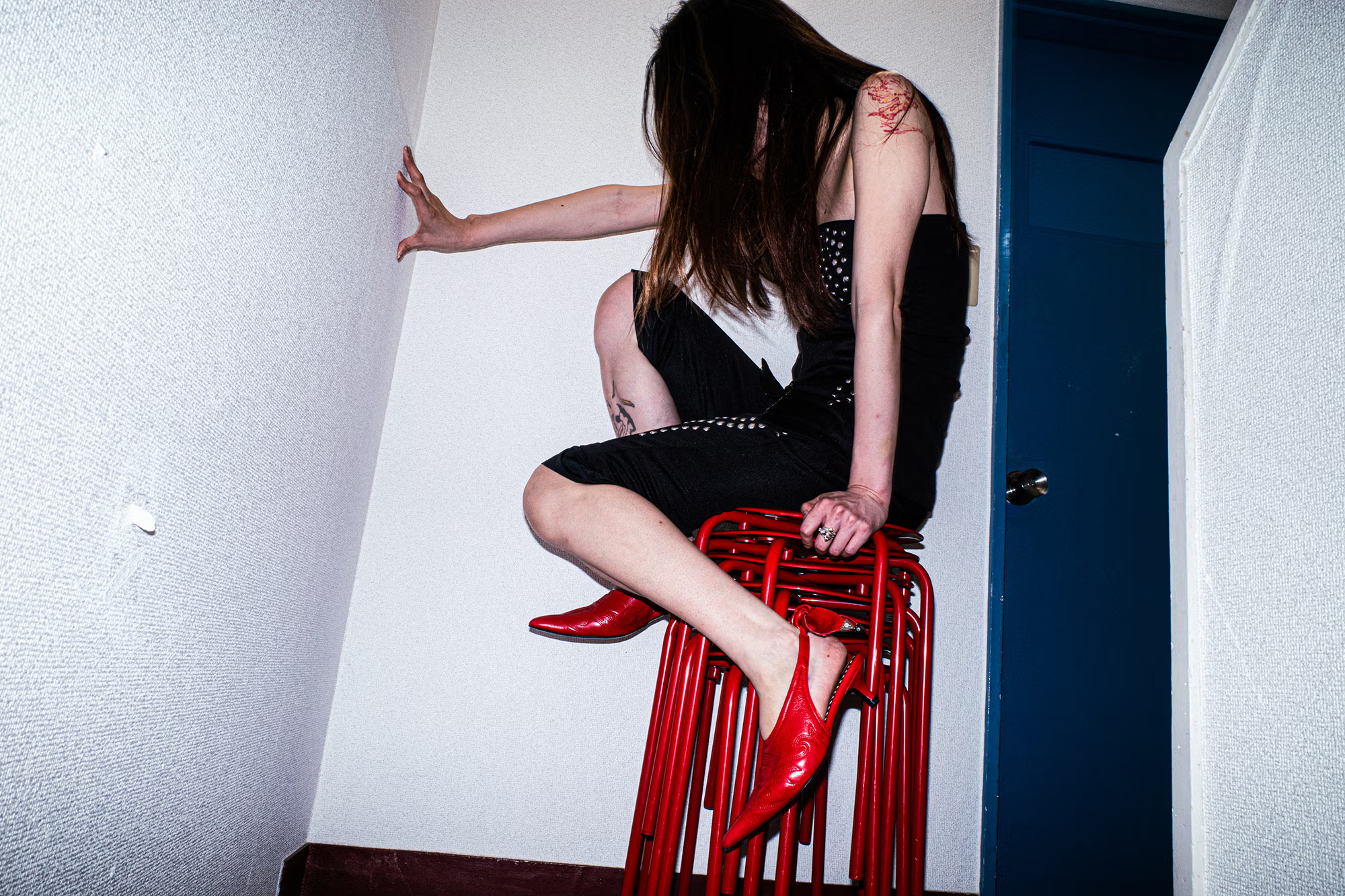
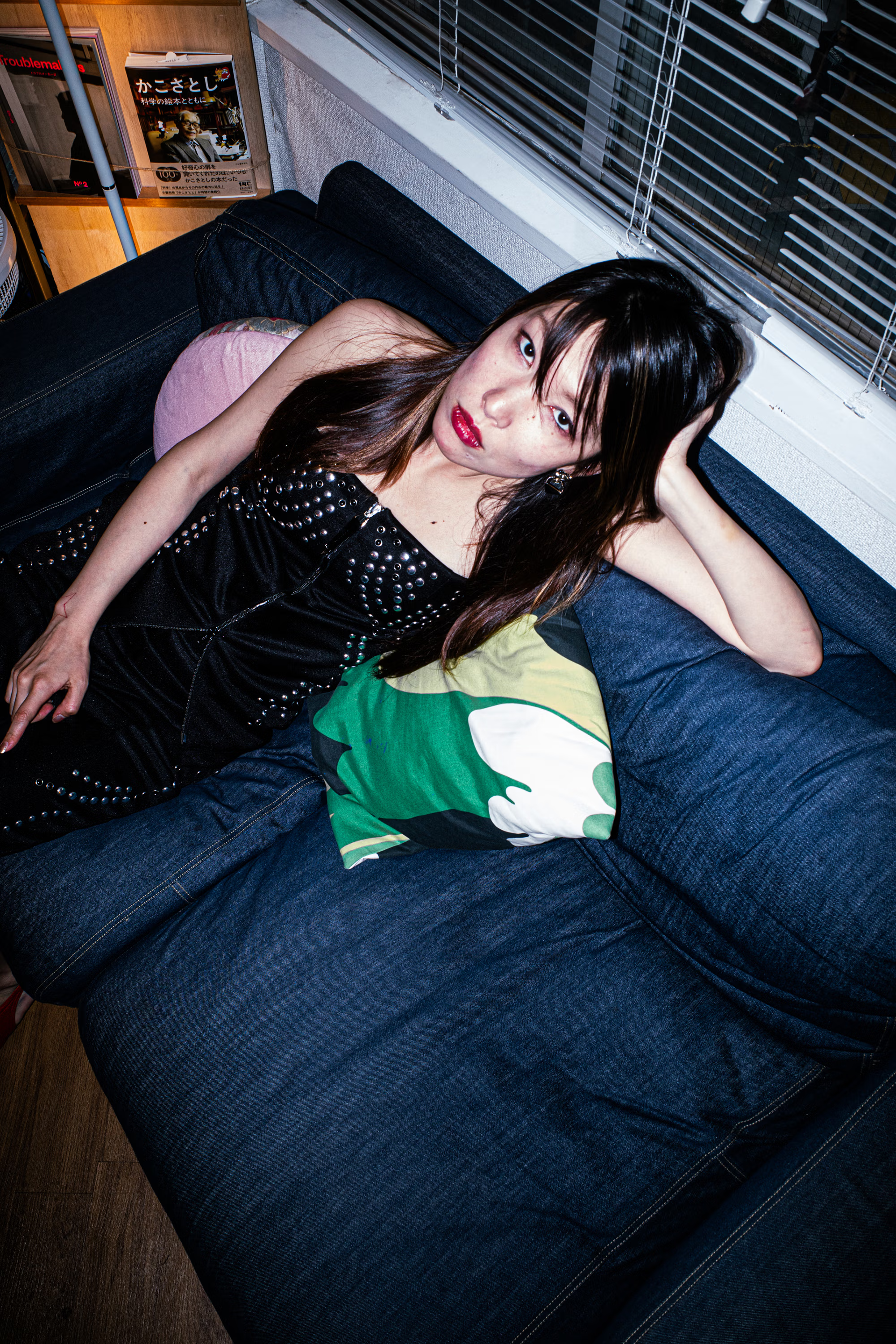
Photographed by Ryu Ika
Basically, what I want to do hasn't changed at all. I'm aware that others see me as someone who organizes events, DJs, and writes, but when I look at myself without worrying about what anyone else thinks, I've always felt that I can somehow write lyrics. One day, I became friends with Goos (who I work with as 1LDK) and we started making music together, which is how we started our current activities as 1LDK. He makes the beats, and I put the lyrics on top and sing. It started by a wonderful coincidence. Time has passed since we started our activities as ether (a multimedia collective) in 2021, but I've always maintained the attitude of thinking everything through myself and creating everything myself. I often think about who I am and how I'm seen by others, but I continue to express who I truly am through the various phases of my activities.
I've never really thought about "boxes" or boundaries, and I don't think they're something you should think about. Staying true to yourself is the most important thing. But to do that, you first need to really know who you are. People spend most of their time understanding themselves, and I think that process itself is what's called "not fitting into a framework" or "queer." I think staying true to yourself in that way is the most queer thing of all.
The term "queer" originally started as a negative word, but I believe its fundamental meaning is celebration. It's about being able to proudly be yourself when you expose yourself to the public eye after achieving self-realization. It's a celebration after achieving that. I think it's incredibly important. It's not about being anti-negative, but simply about being happy and being yourself, which I believe is natural. I think queer is an extension of that.
I hope that works considered to be "queer culture" will be properly appreciated not just as something "new" or "a little outside the norm," but as something more universal. I want it to become something that, while invisible, definitely has its origins in queer culture. For that to happen, I think it's important to have boundaries to protect ourselves. Otherwise, it will just become more and more of a fashion trend. In that sense, I hope that the unique qualities of each form of culture will be properly appreciated.
Profile — Yiqing
Yi Qing
Born in 1998, this multi-talented creator is based in Tokyo and engages in a wide range of activities including music, writing, curation, and event organizing. While performing as a singer and performer in the music unit "1LDK," he also appears at parties throughout Tokyo under the name DJ CENTERFOLD. Furthermore, as a writer, he conducts interviews with film directors and artists, covering a broad range of cultures from international to local.
Interview | Junko Gosho
Crossing boundaries, words and their meanings
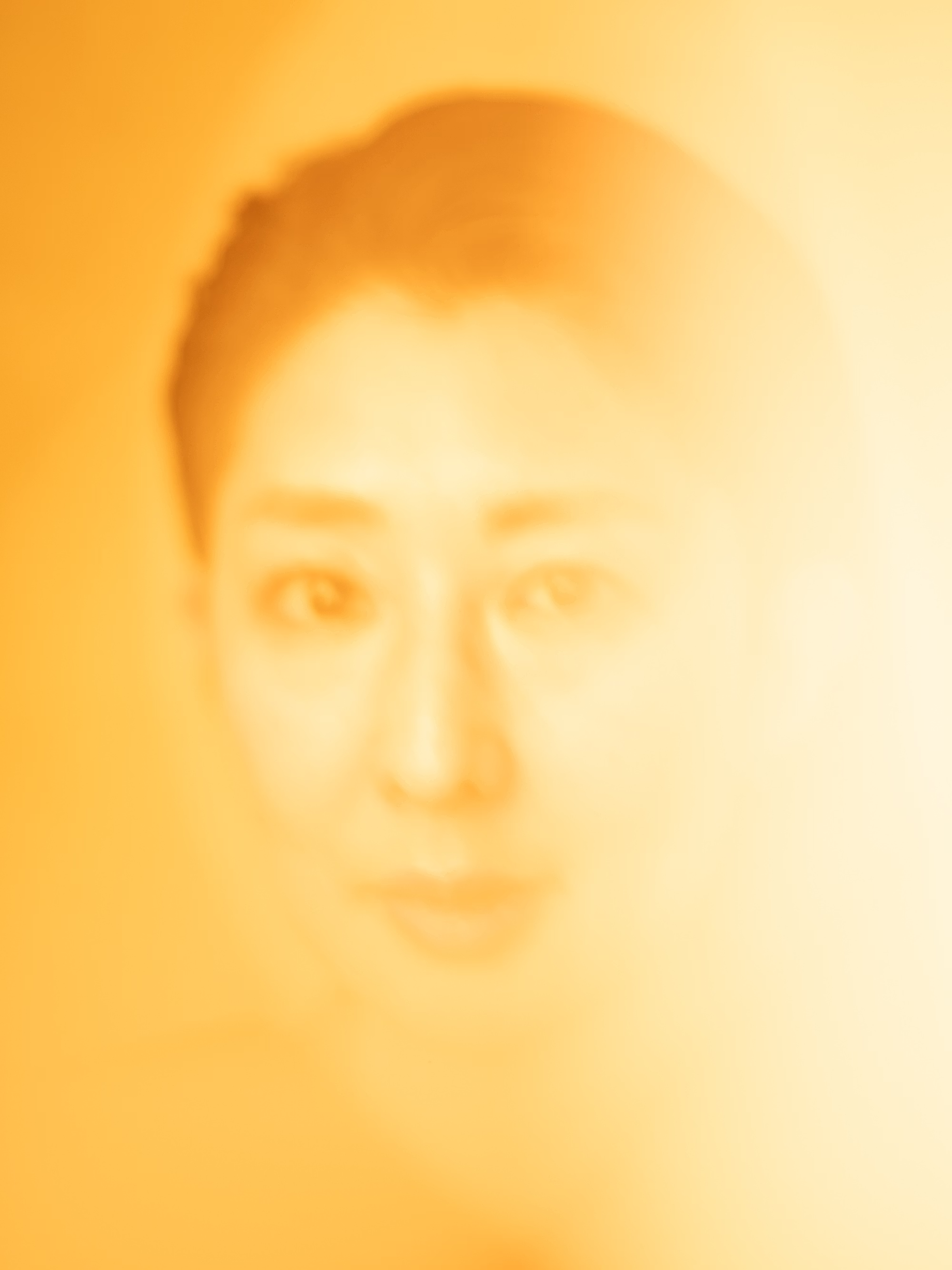
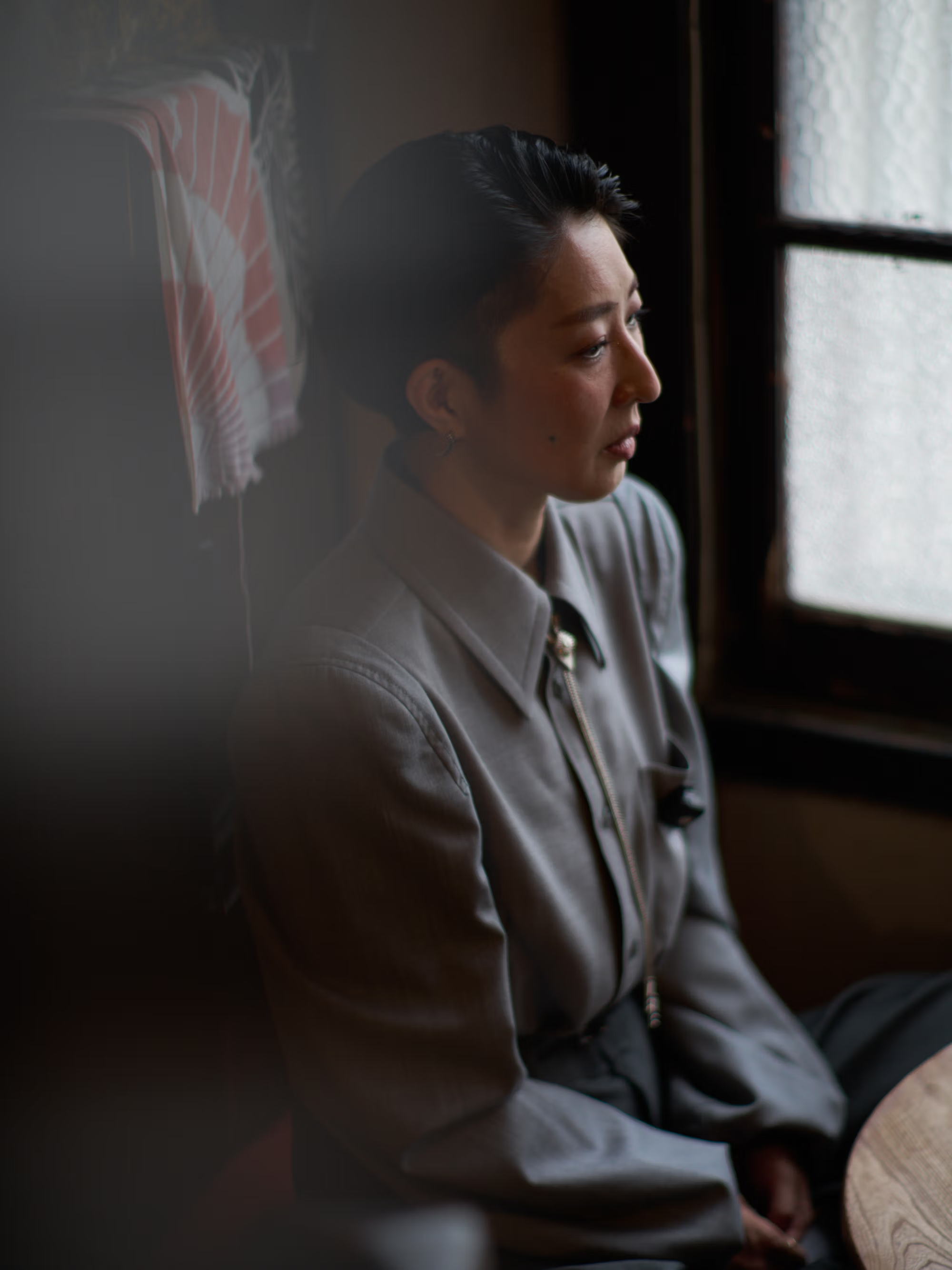
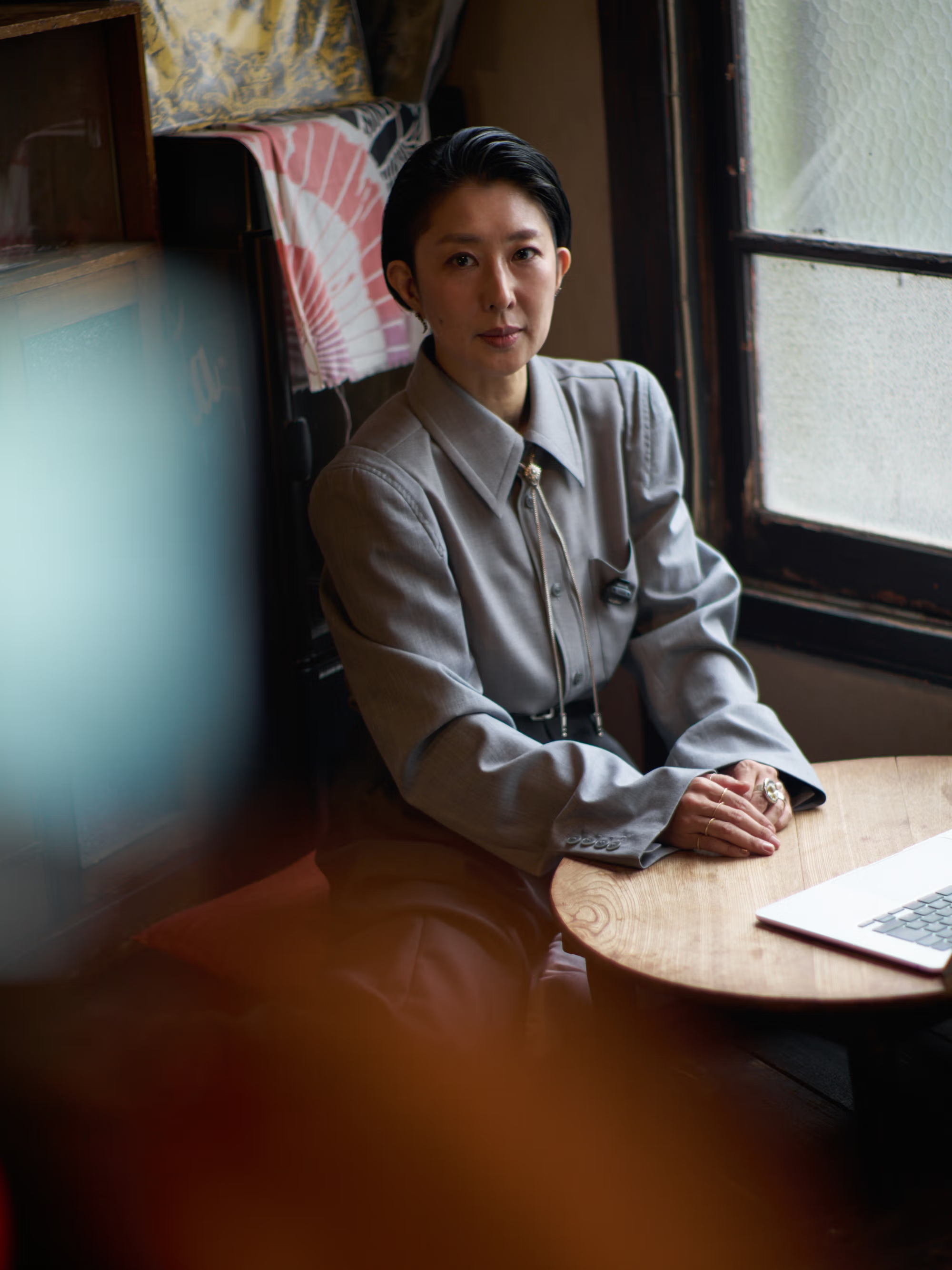
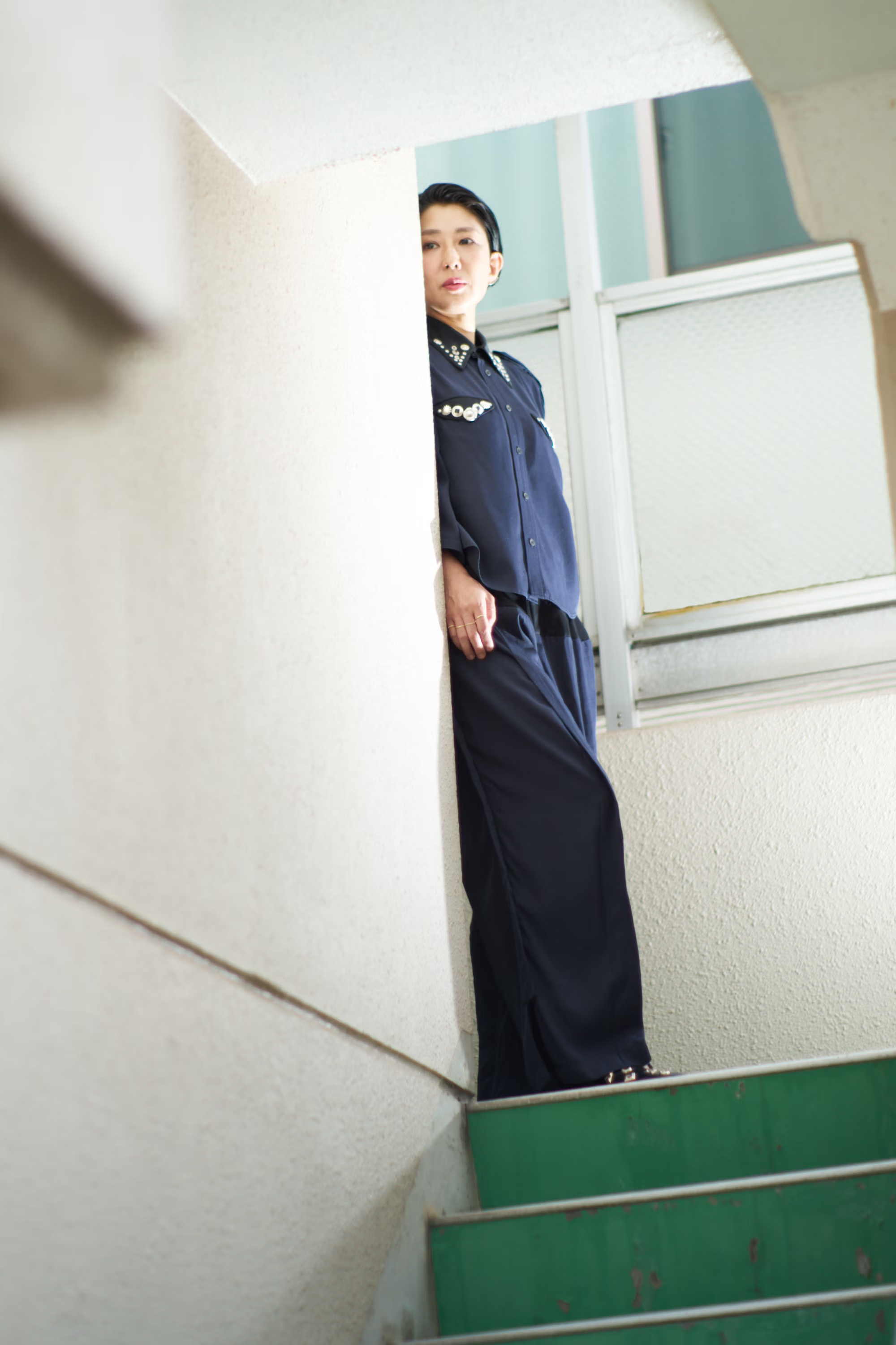
Photographed by Masayuki Shioda
I actually think carefully about the requirements for each genre to be established, such as criticism, fiction, and essays. But as I'm writing, my hand just slips. At times like that, my writing might cross boundaries or blur them, and I also think that I myself have a personality that likes to ruin things. But what I really feel is that when I'm writing, there's a sense of ease, like "Isn't it okay to have something like this?", and at the exact opposite end, a seriousness, like "This is accurate for me." The boundaries won't melt away and disappear, but I think that if I move in that way, the boundaries will move too.
My maternal grandfather was the kind of person who would hop around the house on one leg. He was a very kind person. Last year, in a survey, I circled "no" to the question, "Are there any people with disabilities in your family or among your relatives?" and submitted it, but after a while, it suddenly dawned on me. My grandfather was a person with a disability who had lost his left leg. In other words, I hadn't associated my grandfather with the term "person with a disability." I have that kind of absent-mindedness. For example, if you grow up surrounded by roses, you hardly notice that they are called roses, or you might even forget about them. But at some point, you learn that name. I remember that there are concepts and structures that have supported that name. Then I start to think about what the name "rose" has to mean, or whether my roses are not really roses. And I think that's why I wanted to write something that whispers to those who call roses roses, or something that says, "This is what a rose means to me."
I love the etymology and history of the word "queer." It has roots in words like "diagonal," "crossing," and "not straight," but in the past, it was used as a derogatory term meaning "abnormal." When a derogatory term is used by the person who identifies with it, its value is reversed. Perhaps I want to create that moment. It's not something that happens in an instant, but something that takes time and effort to achieve. In the process, I may get hurt in various ways, and I may even break myself. But I think that adopting a derogatory term as one's own is an extremely radical form of self-affirmation, a protest against the straight map, and a call to people who are all quite similar to me. For me, queer is a word that harbinges dreams. Dreams suddenly appear and change me, and change the world. Dreams have the feeling of bringing rubble, blankets, and seeds. Dreams may destroy something and leave rubble behind, or they may wrap you up and protect you like a blanket, or they may sprout something that doesn't yet have a name. You won't know which one you've received until later. So, with the word "queer," it's impossible to know what each person took to mean until later. Depending on what was taken, I might feel a touch of sadness, but words change over time. I don't think that's something to lament.
Profile — Junko Gosho
Junko Gosho
Born in 1979 in Oita Prefecture. Her published works include "Scatology Fruit" (Tennen Bunko) and "Women Who Eat Medicine" (Kawade Shobo Shinsha). She has also contributed to books such as "I Met a Book: A Book That Changed My World" (ele-king books) and "Movies to Watch When You're Feeling Down" (Rittosha). She writes extensively, primarily in the fields of literature and film.
Interview | Reiji Saito
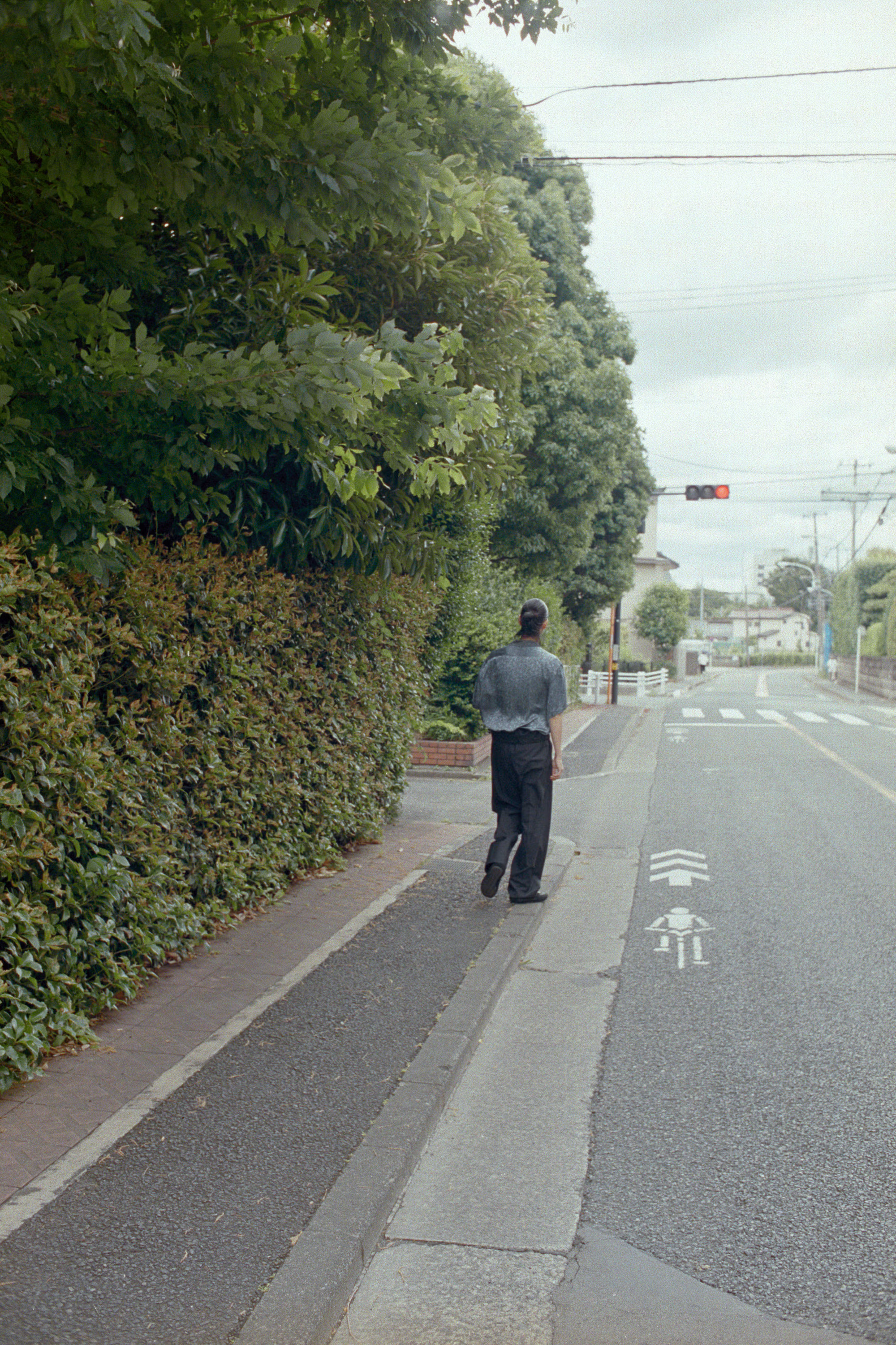
Things outside of norms and institutions, being outside
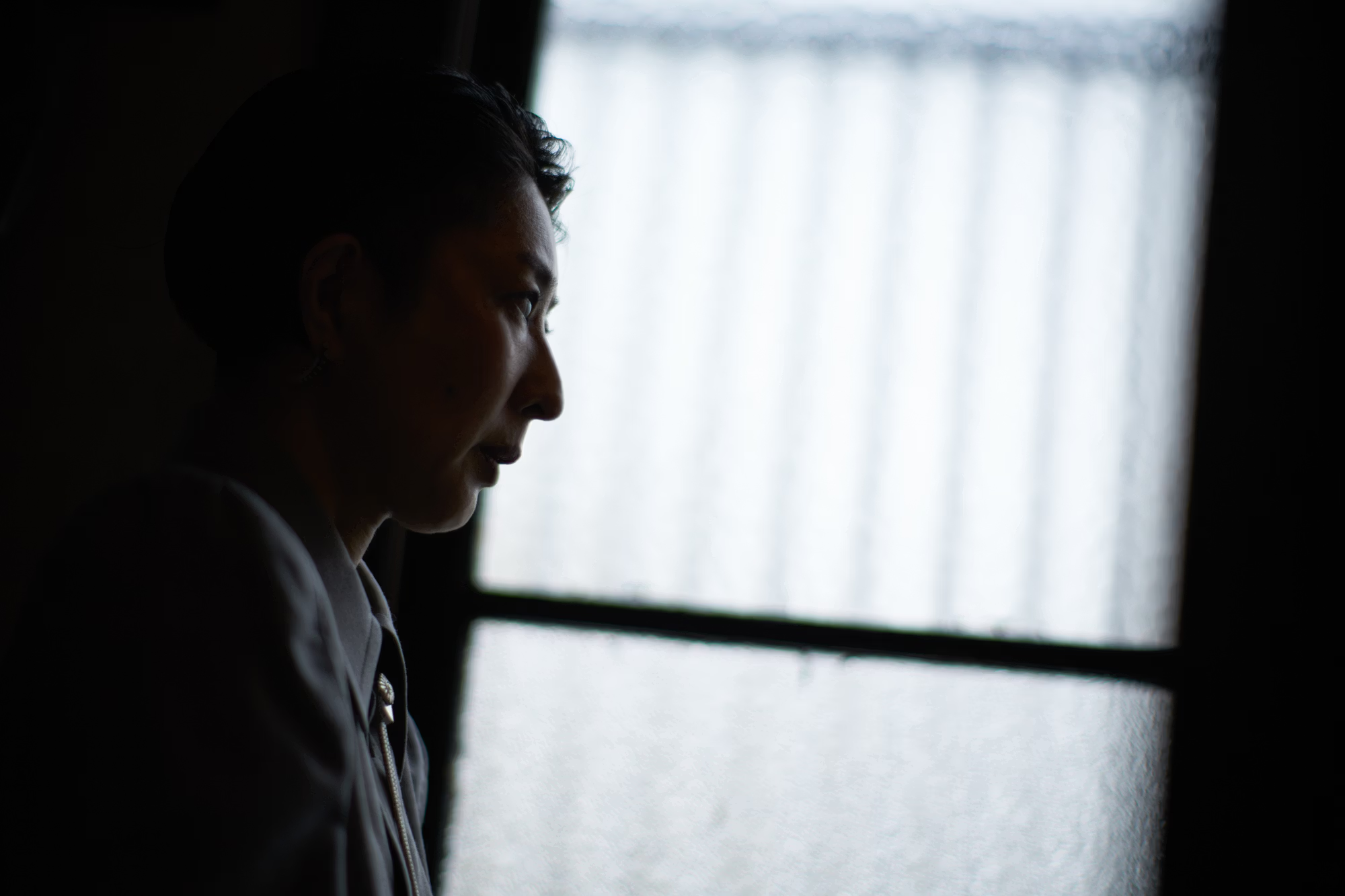
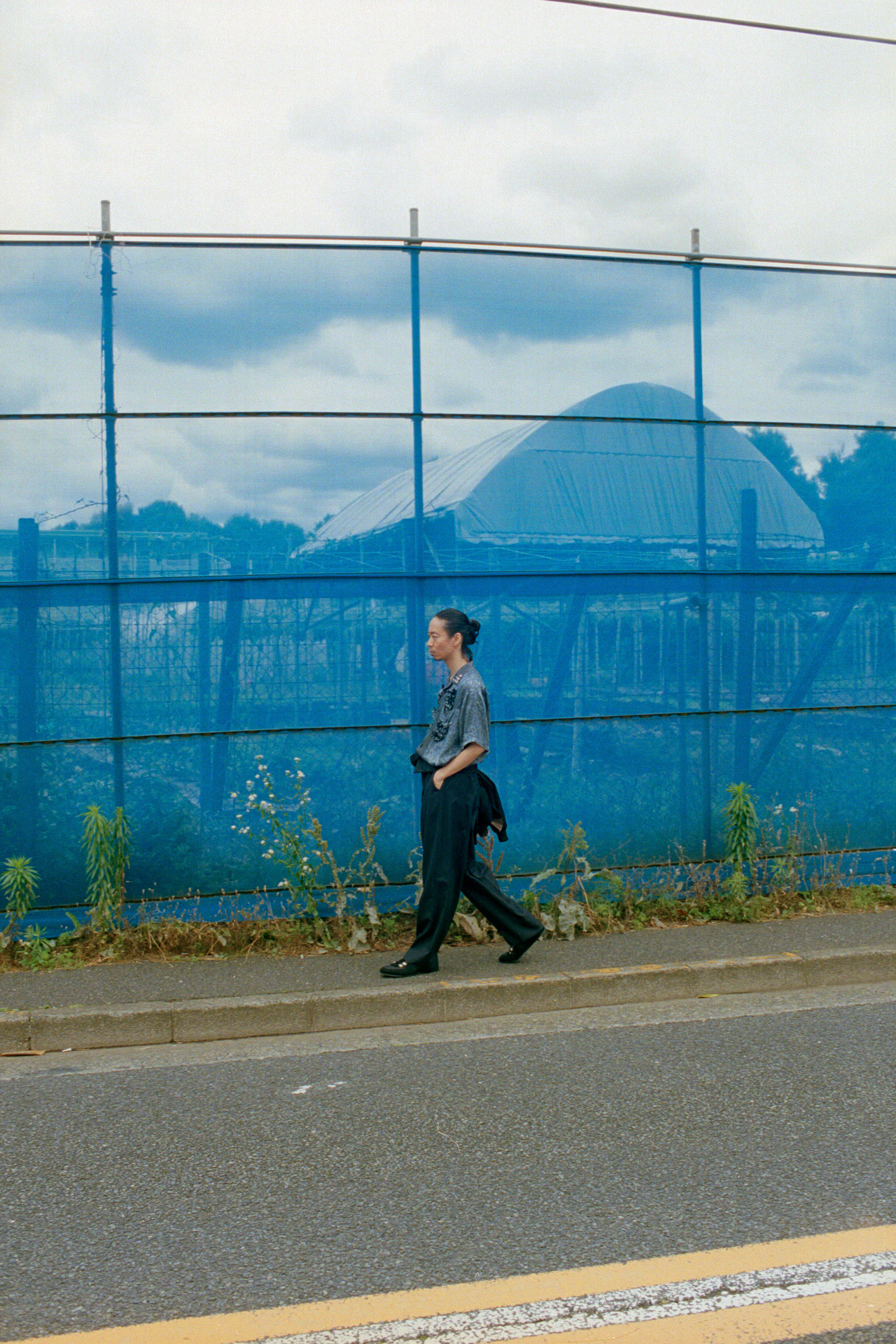
Photographed by Nils Junji Edström
For me, the most important thing was to create using only what I had on hand, and I couldn't do anything else. At first, I was painting, but as my daily life became more important, I stopped being able to paint. When I stopped, what I had on hand was video. Long before I consciously thought about creating, I had been continuously recording my surroundings in the form of photographs and diaries. Painting allows you to create an image from scratch, but video can only be born from reality, from things within your reach, so I felt a big difference. At that time, I had a large amount of video related to my life, so I felt an inevitability that I had to use them. Painting and art already have established systems. Of course, there are systems in video as well, but the material that was meaningful to me didn't have value in those systems. It was because I had to find my own way that I was able to start creating works.
I didn't have a specific image of what I wanted to create from the beginning. When I made my first video, I was able to see in it the same things I was experiencing in reality outside of the work, and that's why I'm able to continue doing the same thing now. When you seek what is truly important to you, it's natural that it may deviate from existing norms. Because I started from something personal, I had to avoid creating based on values that weren't my own, and therefore it was necessary to first affirm what was there and the current situation. It's not that I aim to deviate from norms, but if I proceed in my own way, I will naturally deviate. I hope to remain in an unstable state.
I've always felt that I don't want to use words as much as possible, and that I should avoid using them. Yet, when I affirm something that is truly beautiful, or a form that I feel is unique, I think there are words that cannot be replaced. I can't escape creating within existing systems, but unless I reshape them through my own inner compulsion, there's no point in expressing myself. I want to create without relying on external values. I hope that my work can be something that is neither owned nor consumed, but simply and naturally unsettling.
Profile — Reiji Saito
Reiji Saito
Born in 1987. Since 2008, he has been creating video works using a large amount of photographs and videos taken in his daily life as source material. Based in Tokyo, he exhibits his work both domestically and internationally. In recent years, he has exhibited at the Goethe-Institut Tokyo and ANOMALY, and participated in film festivals such as PAF in the Czech Republic and EMAF in Germany.
- Shop name
- TOGA
- floor
- 2F
- telephone number
- 03-6416-9688
- Official brand website
- https://store.toga.jp/
- Official Social Media
- Instagram(@togaarchives)
Check here too>>
TOGA | “OUR, QUEER, CULTURE” (1/2)