The theme of PARCO ISSUE, created in collaboration with the fashion brand "TOGA," is "QUEER CULTURE." Starting from gender minorities, it examines queer culture, which spreads across a wide range of genres including music, film, art, and literature, from the perspectives of fashion and culture.
Four guests from different genders, generations, and cultural backgrounds—Yasuko Furuta (TOGA designer), Junko Gosho (writer and writer), Reiji Saito (video artist), and Yiqing (DJ, organizer)—will appear and discuss "queer" from their respective perspectives.
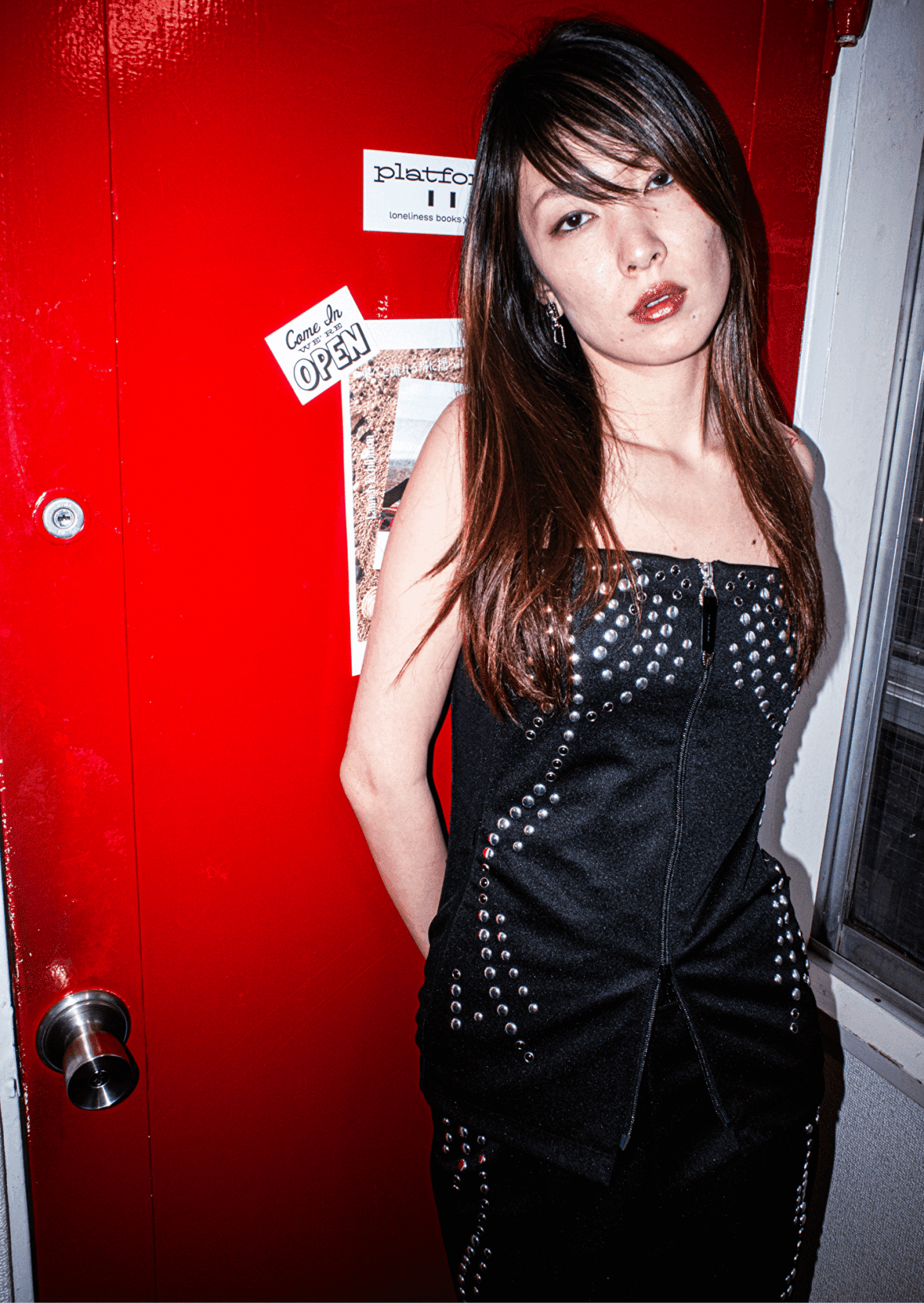
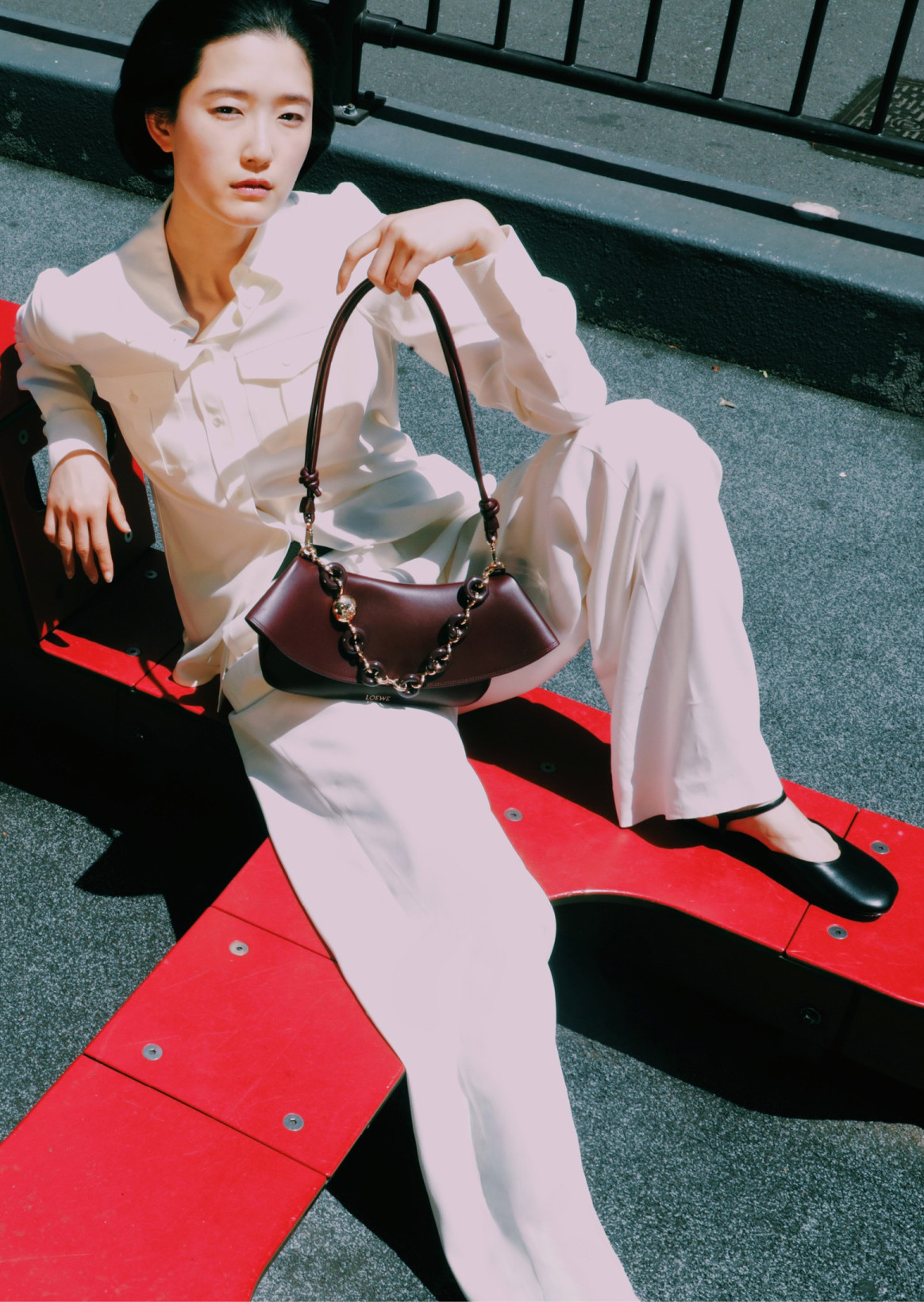
Four photographers—Masayuki Shiota, Reiko Toyama, Ryu Ika, and Niels Junji Edström—dressed in the new "TOGA" collection, took exclusive fashion portraits.
- Creative Direction & Edit
- Akira Takamiya(Moder—n)
- Photography
- Masayuki Shioda,
────Reiko Toyama,
────Ryu Ika,
────Nils Junji Edström
- Film Direction
- Taro Okagawa
- Interview & Text
- Nozomi Kinoshita,
────Yui Nogiwa
────(RCKT/Rocket Company*)

Interview | Yasuko Furuta
Small changes can change the world. The "TOO" feeling of being attentive to others.
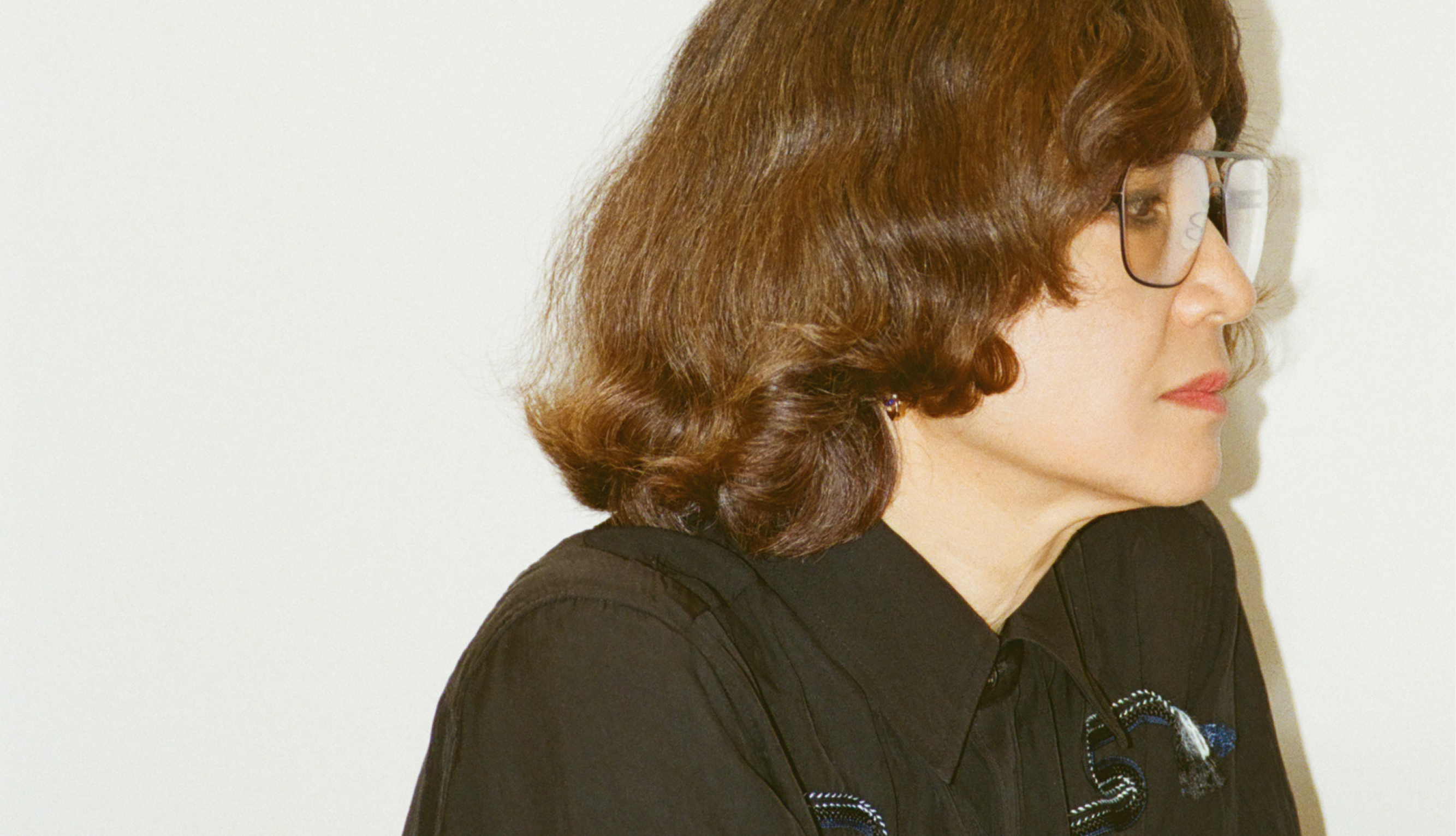
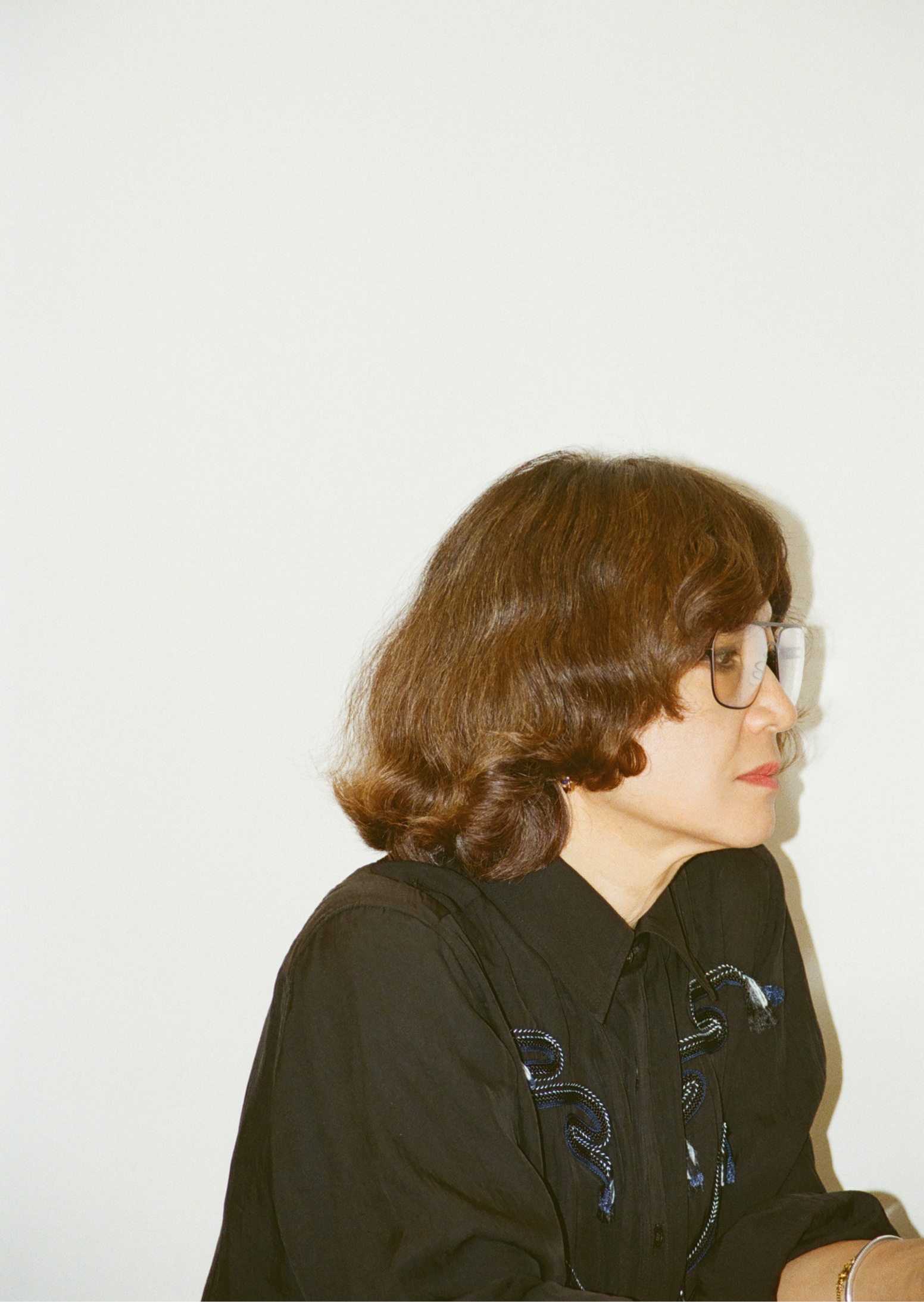
Photographed by Reiko Toyama
TOGA continues to express its unique aesthetics by breaking free from conventional concepts and blending with various cultures such as music and art. Its appeal lies in embracing every "individuality," including collections embodying the aesthetic beauty of gender and a unisex line that embraces various people. We spoke with Yasuko Furuta, a designer at TOGA who will celebrate the brand's 30th anniversary next year, about "crossing boundaries."
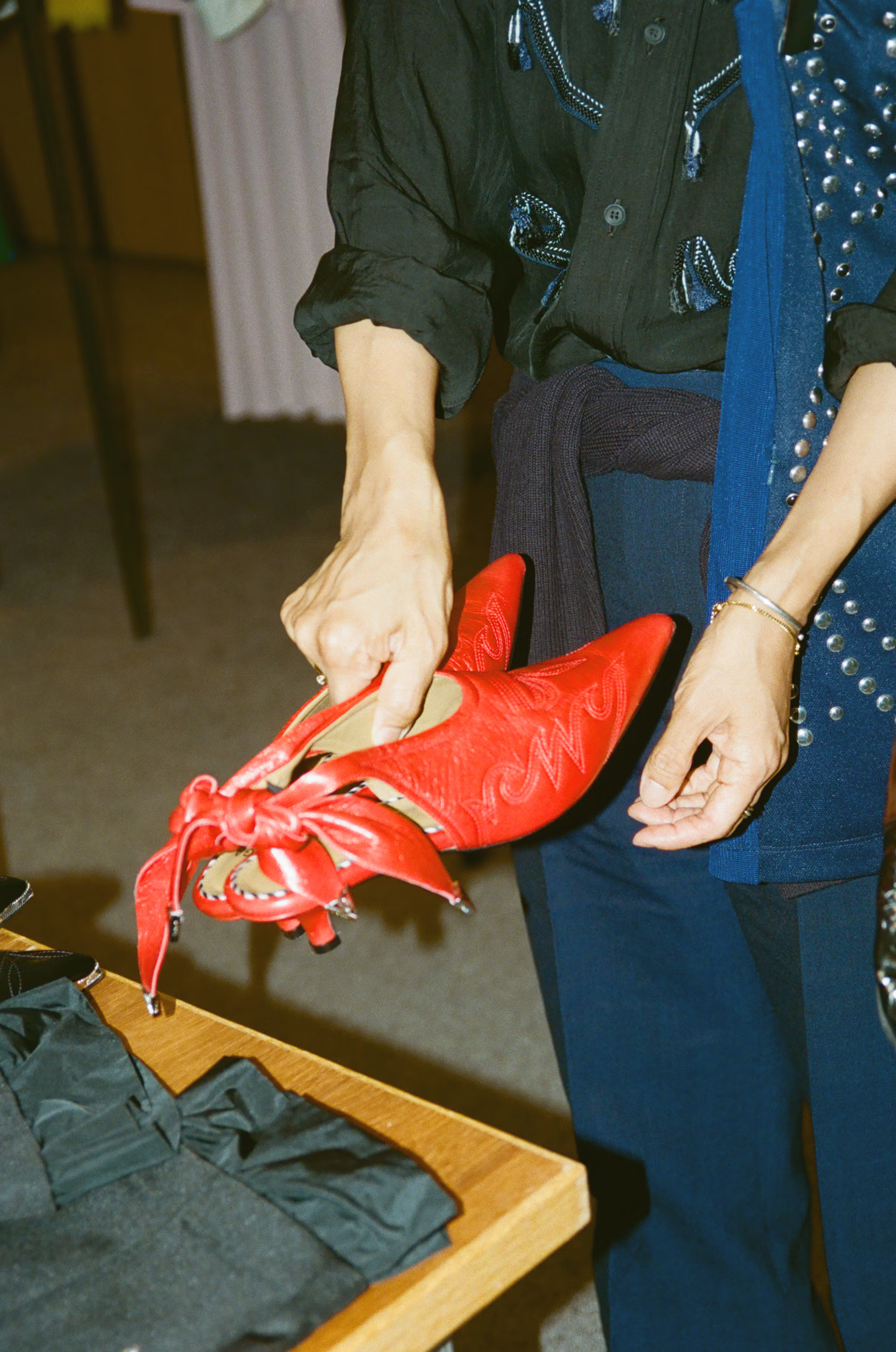
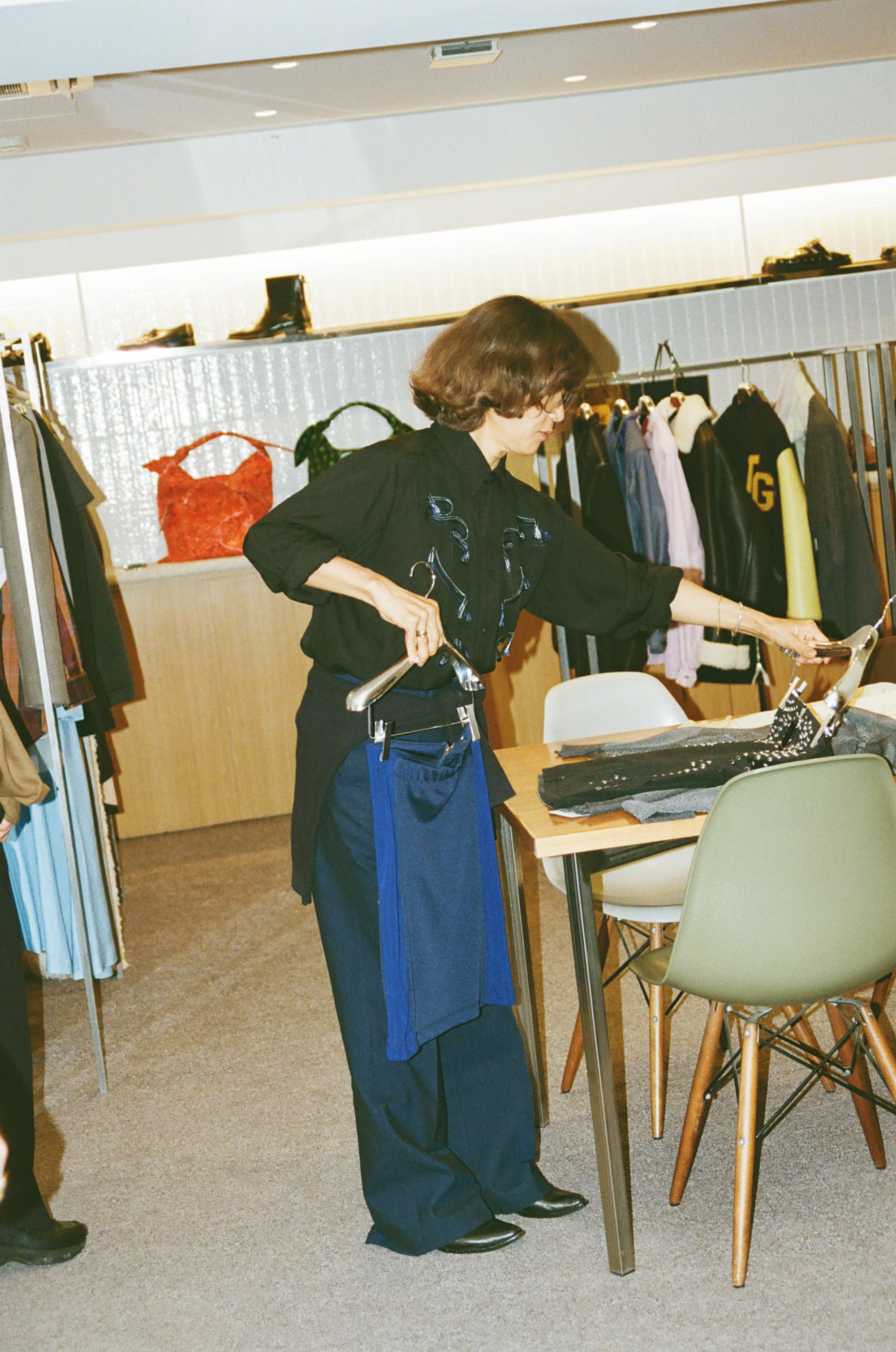
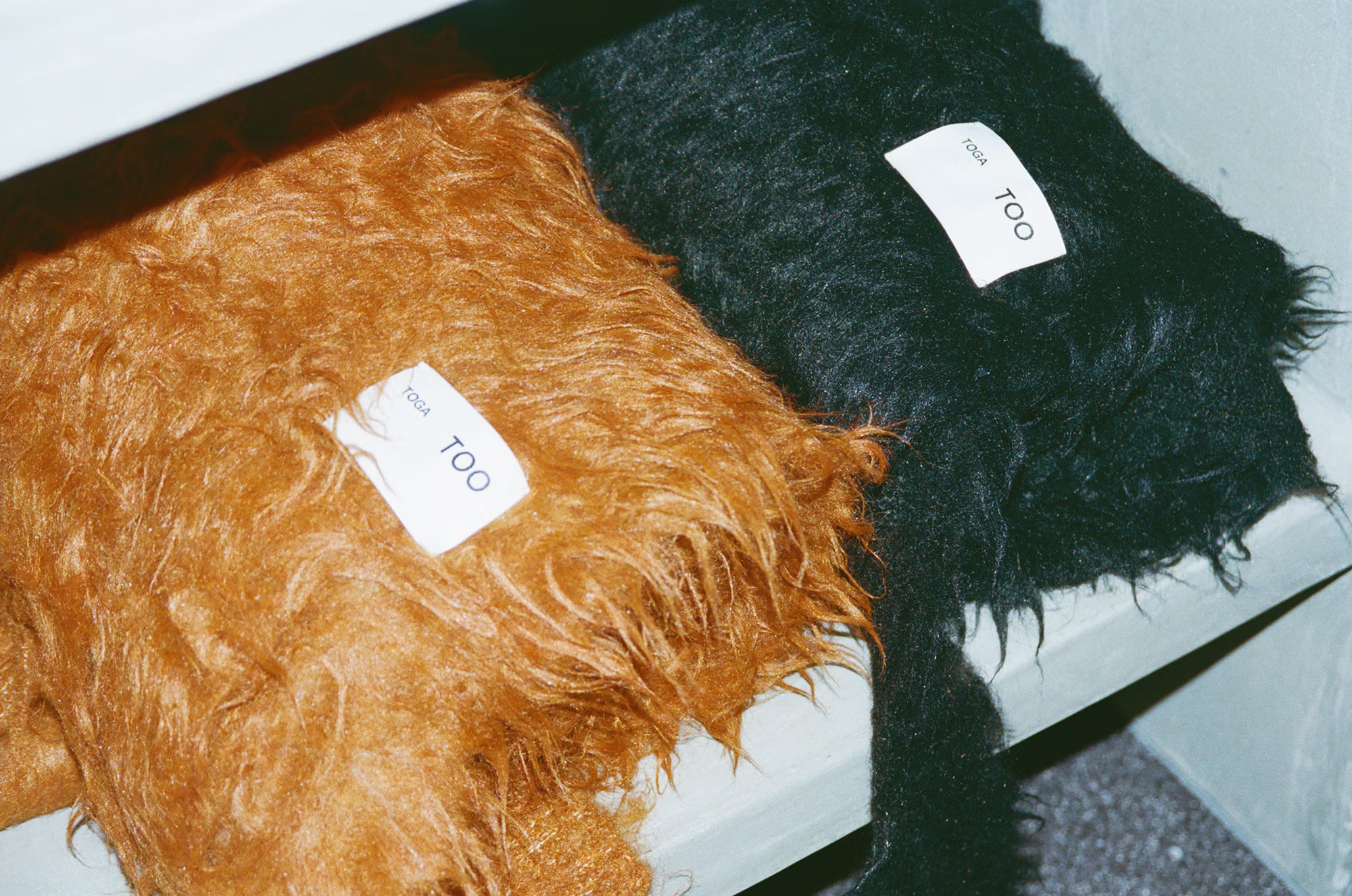
—When you received the offer to work on the theme "QUEER CULTURE" for this PARCO ISSUE, what were your initial feelings?
I was curious whether even one person involved would participate in this project. I myself am not a participant. But what can I say? Since they said they would invite guests and have them wear TOGA, I wondered if I could avoid ending things superficially. That was my honest impression.
—I think "QUEER" is a word that can be interpreted in many ways, broadly speaking, as a stance that is not bound by conventions, a rethinking of existing values, and blurring boundaries.
I believe it's better to be clear about boundaries rather than blurring them. I think it's important to define what those boundaries are, to communicate specifically the feelings of those who are already experiencing hardship, and to voice those feelings of discomfort or unease. By repeatedly thinking about it, things become clearer. It's not that I want to clearly define boundaries with others, but rather that I want to reduce the uncertainty and prejudice that arises from ambiguity. I believe that in order to rethink existing values, it's necessary to read books written by those directly affected and learn about queer issues. This also greatly influences my clothing design.
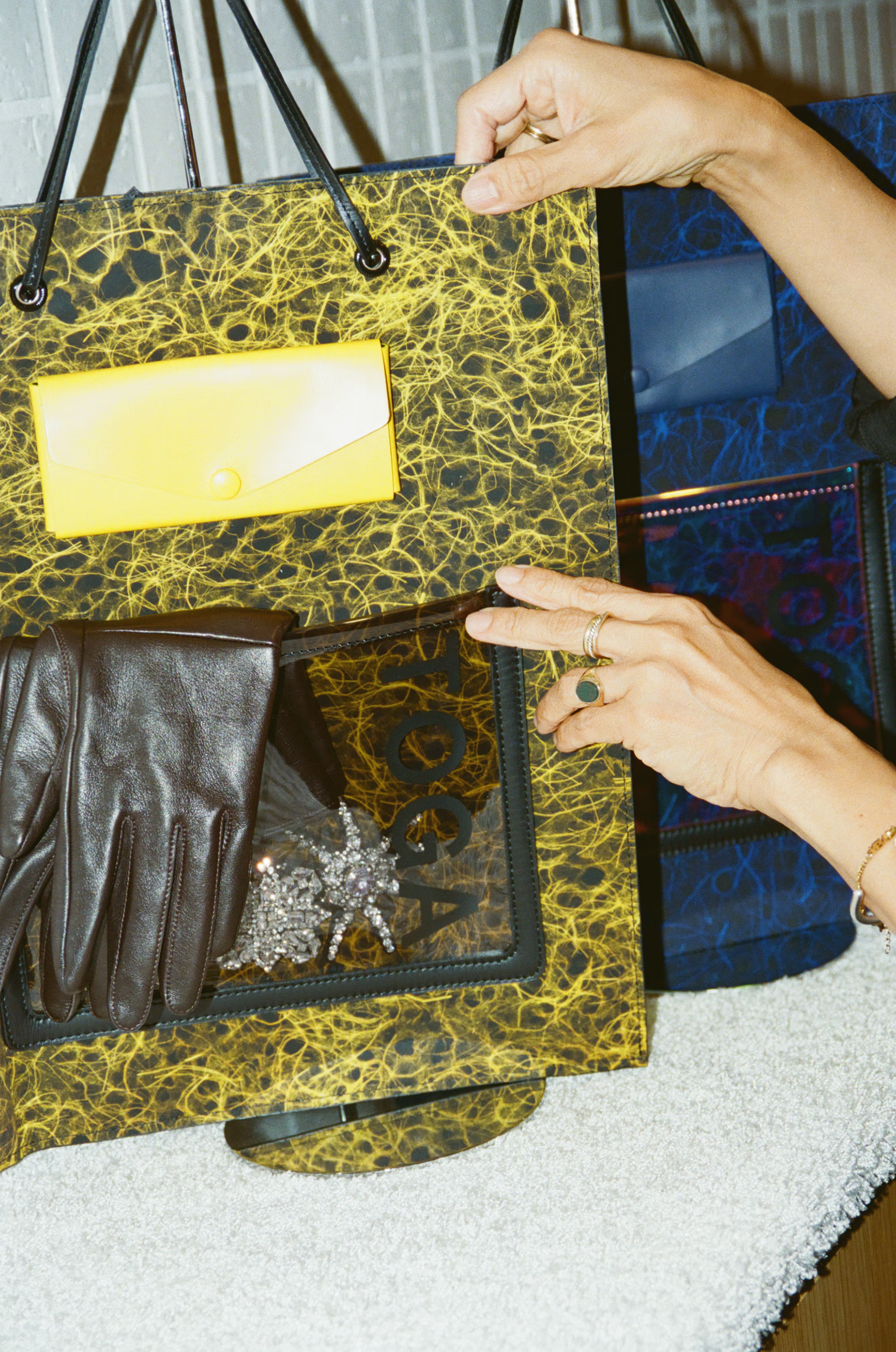
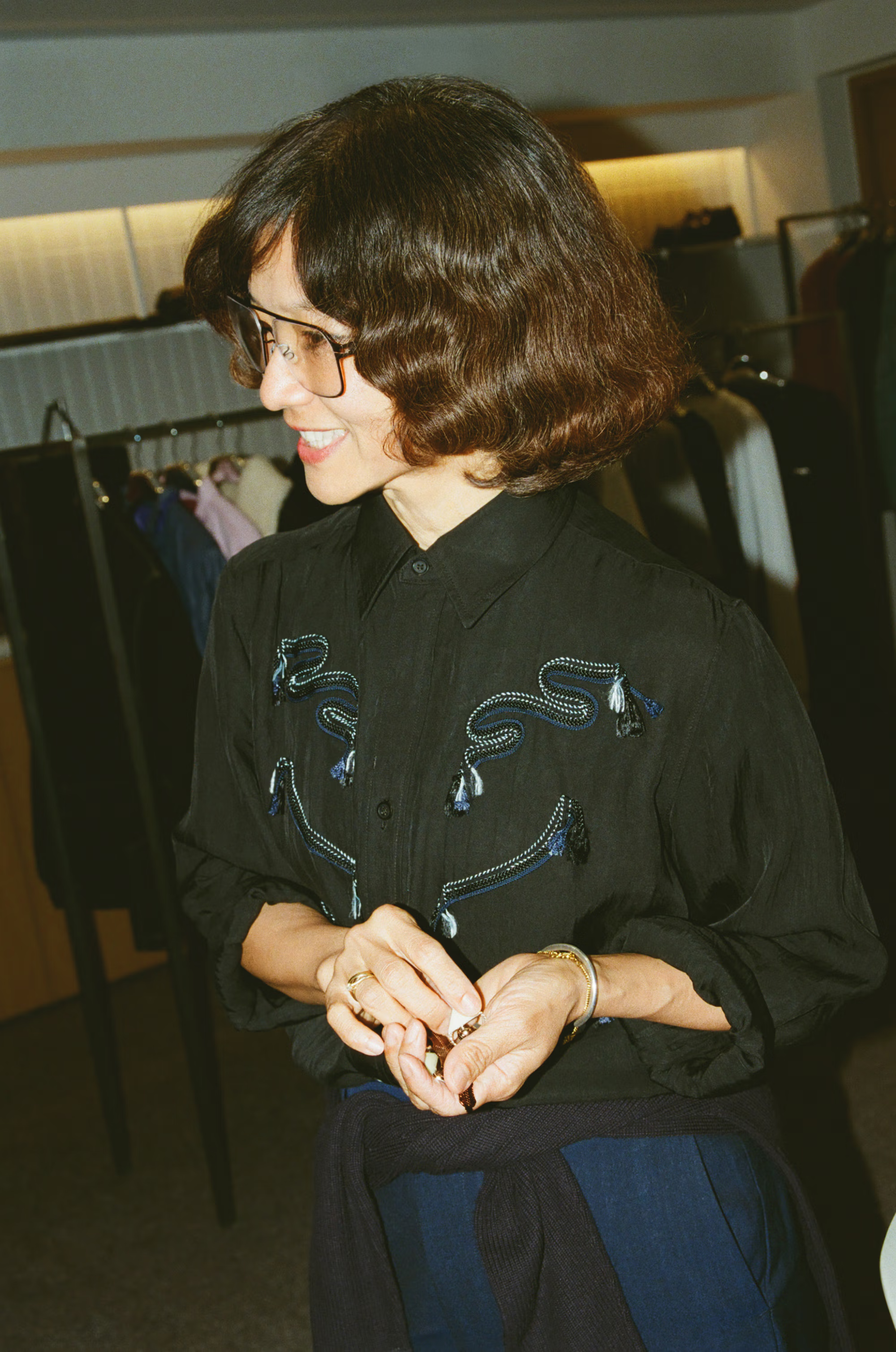
—Mr. Furuta, are you consciously aware of crossing the clearly defined boundaries?
Especially when making clothes, you can't "cross" boundaries if you don't know what they are, so I think there's meaning in the process of clarifying those ambiguities. I feel that the environment has changed drastically since I started making clothes 30 years ago. Now, people don't just judge whether the design is good or bad, but they also consider the intentions of the creator, the production process, and whether they can agree with it. And then they make a purchase. In that sense, I want to transcend the boundaries of design as a material object.
While it's true that you can see what I'm thinking by looking at my work, and that I create things because I can't put them into words, I think there was a time when women in particular were seen as a nuisance when they tried to delve into the topic theoretically and participate in discussions. It's good to imagine and discuss the situations of people in various circumstances, but I think it's important to have more opportunities to listen to those directly involved. Including LGBTQ+ issues, I think it's a sign that society is changing for the better when the media reports on the perspectives of minorities.
――TOGA was a topic of conversation about styling that transcends gender at the 20th anniversary show in 2017. About ten years ago, I think it was relatively early to approach transcending gender boundaries. Was there a trigger for that?
Originally, many customers come to TOGA to wear this design, rather than categorizing women's or men's clothing. I create clothes influenced by the traditional beauty of both men's and women's styles, but I want customers to be free. At that time, there was a season when I presented the same collection in two cities, London and Tokyo, and I had the opportunity to work with two stylists with completely different directions. The suggestion from the London stylist was for working career women. In Japan, we received styling proposals that blended men and women and crossed genders, and being exposed to their ideas became a major turning point. I realized the appeal of TOGA 's clothing, which accepts both perspectives. At the stage of presentation, I realized that we had been constricting ourselves to categories and limiting them. At that time, rather than wanting to embody diversity, we wanted to liberate our own narrow mindset.
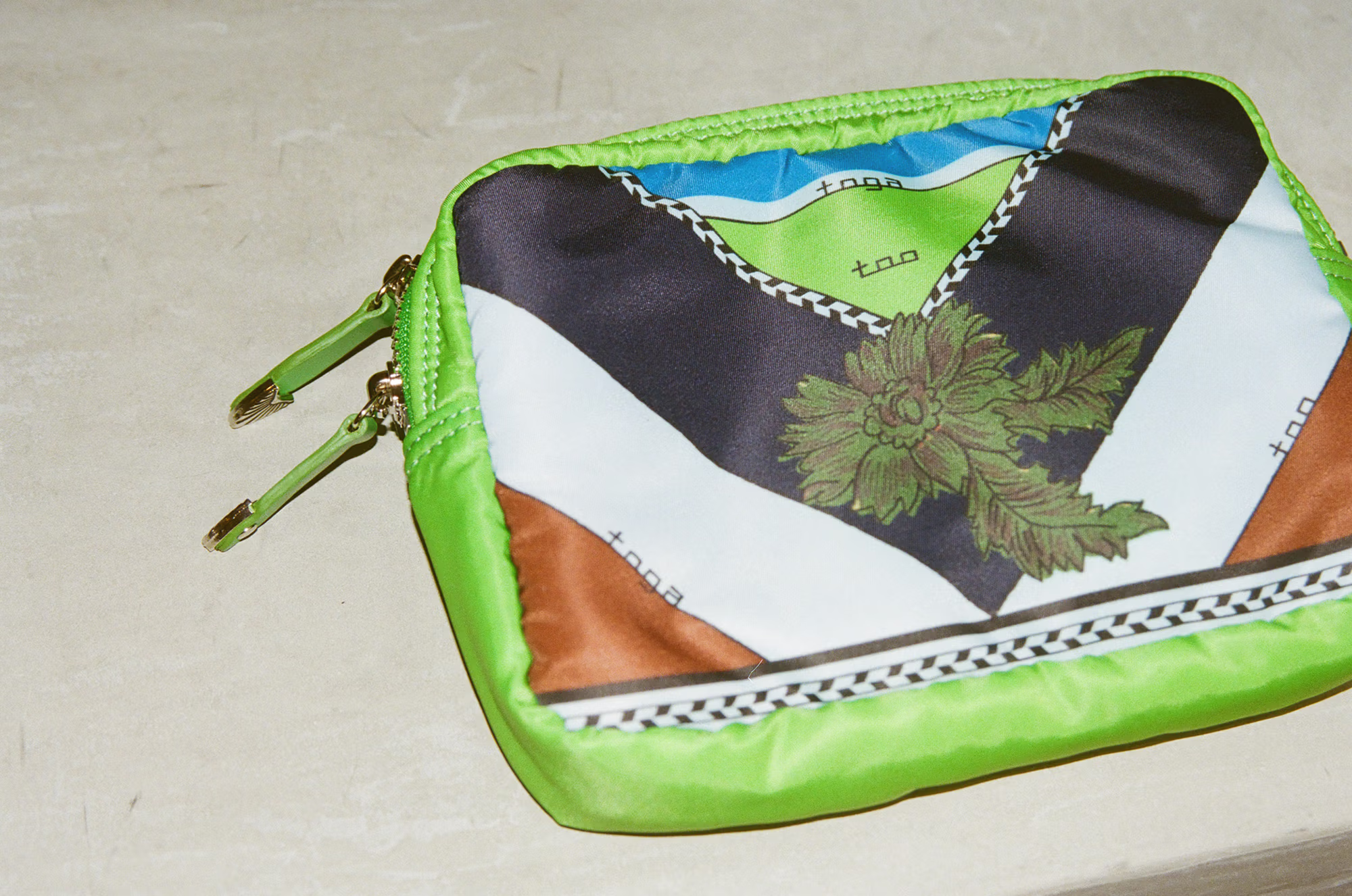
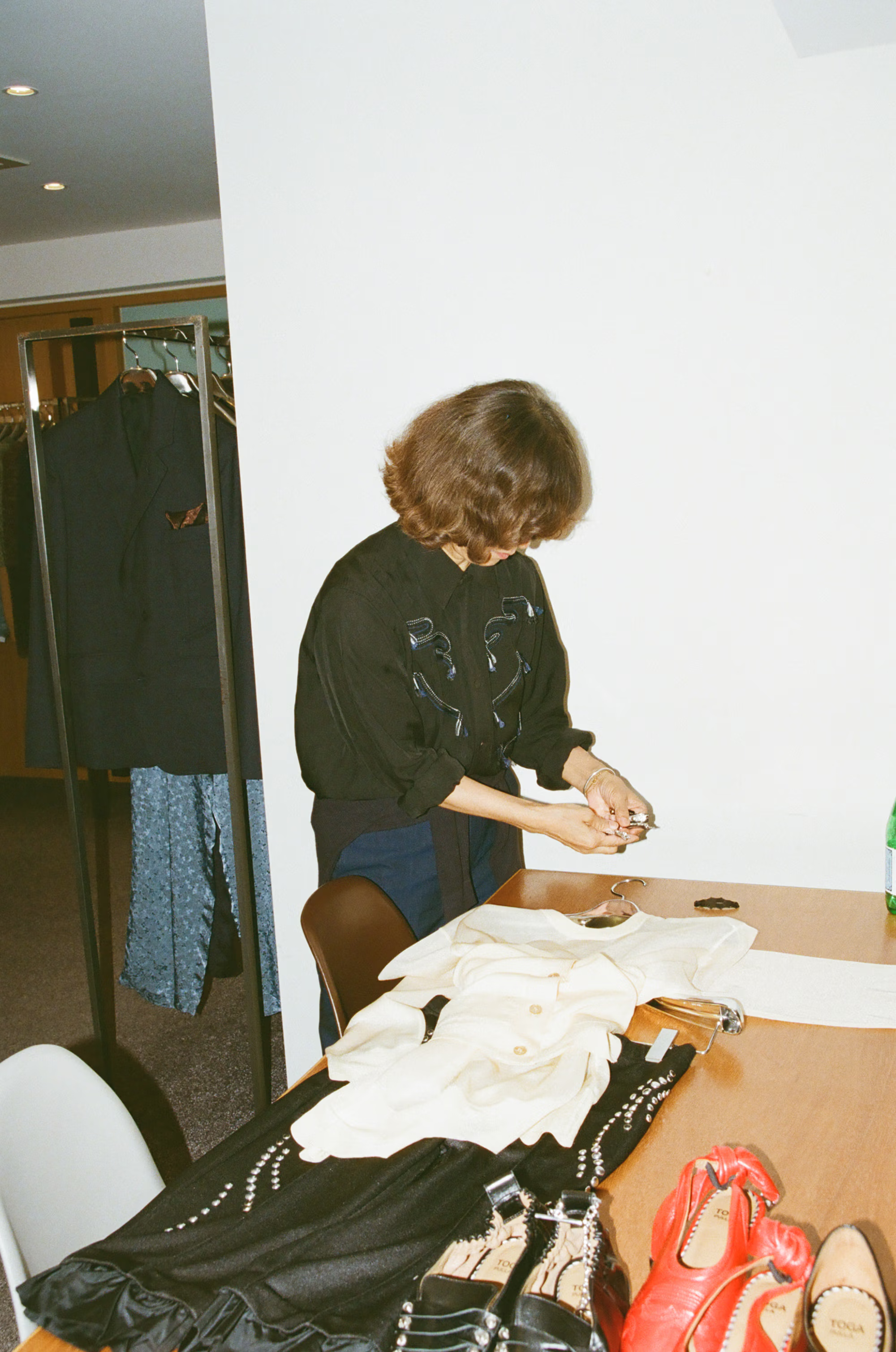
――The name of the unisex line TOGA TOO, which was relaunched in 2024, is also lovely, isn't it?
When a buyer told us, "I'm a buyer for the men's department, so I can't buy women's clothing," we felt like we were limiting our own categories. That's when we started a line called "TOO," which we named to reflect the idea of "sharing with each other," something that can't be defined solely by "unisex" or "genderless." As a result, the gender barrier disappeared, and buyers were able to purchase items without categorizing them. Even without changing the concept of clothing design, this alone made a huge difference. "TOO" is easy to understand as a word, and it has a sense of "being close to each other," which we think perfectly matches our philosophy.
—I sense something that transcends the unisex or gender-based concepts.
It also embodies the meaning of sharing feelings. It's not just about agreeing, but a word with a positive connotation of being supportive and understanding of others. TOO offers a wide range of sizes to broaden the range of choices.
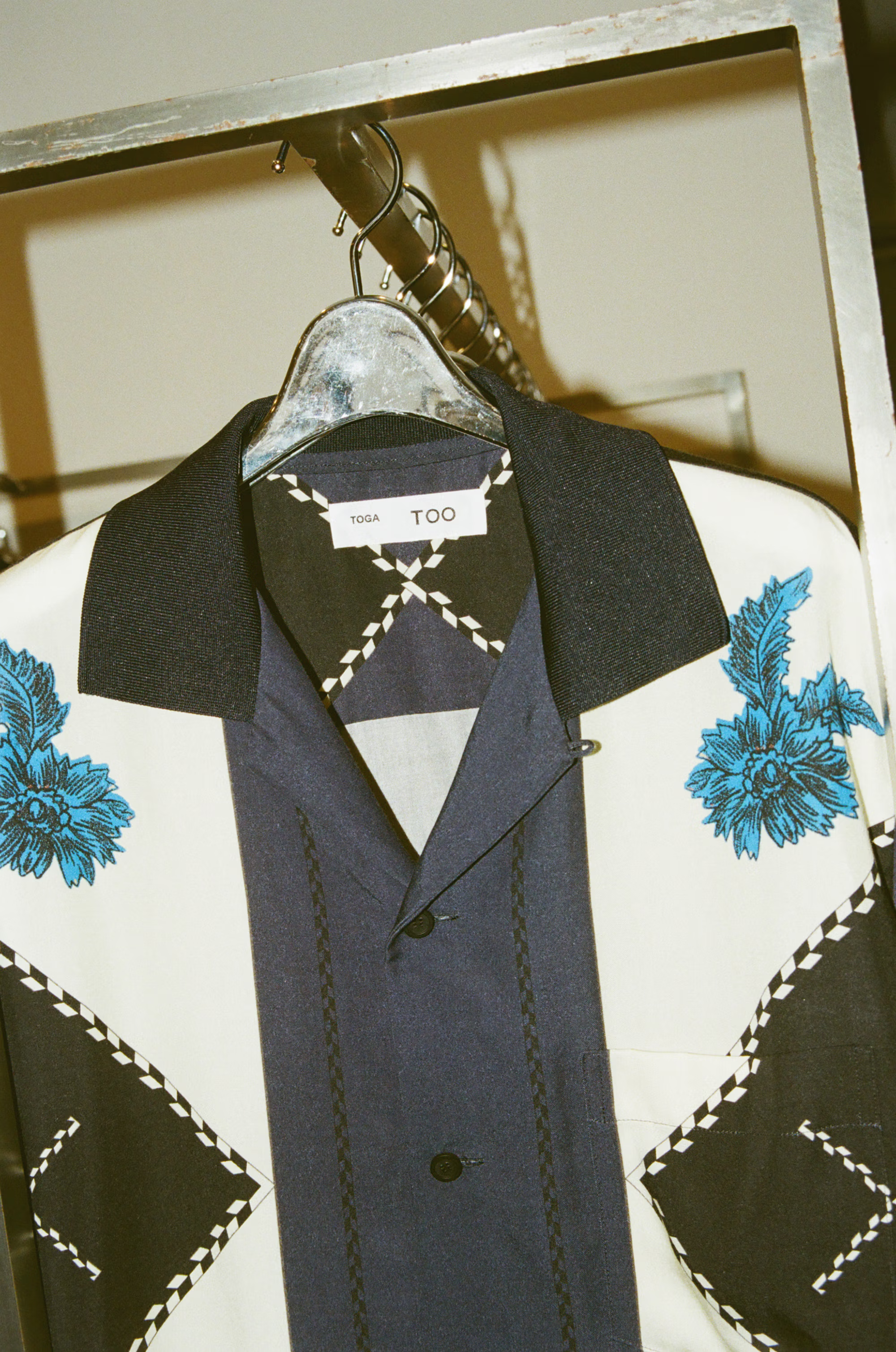
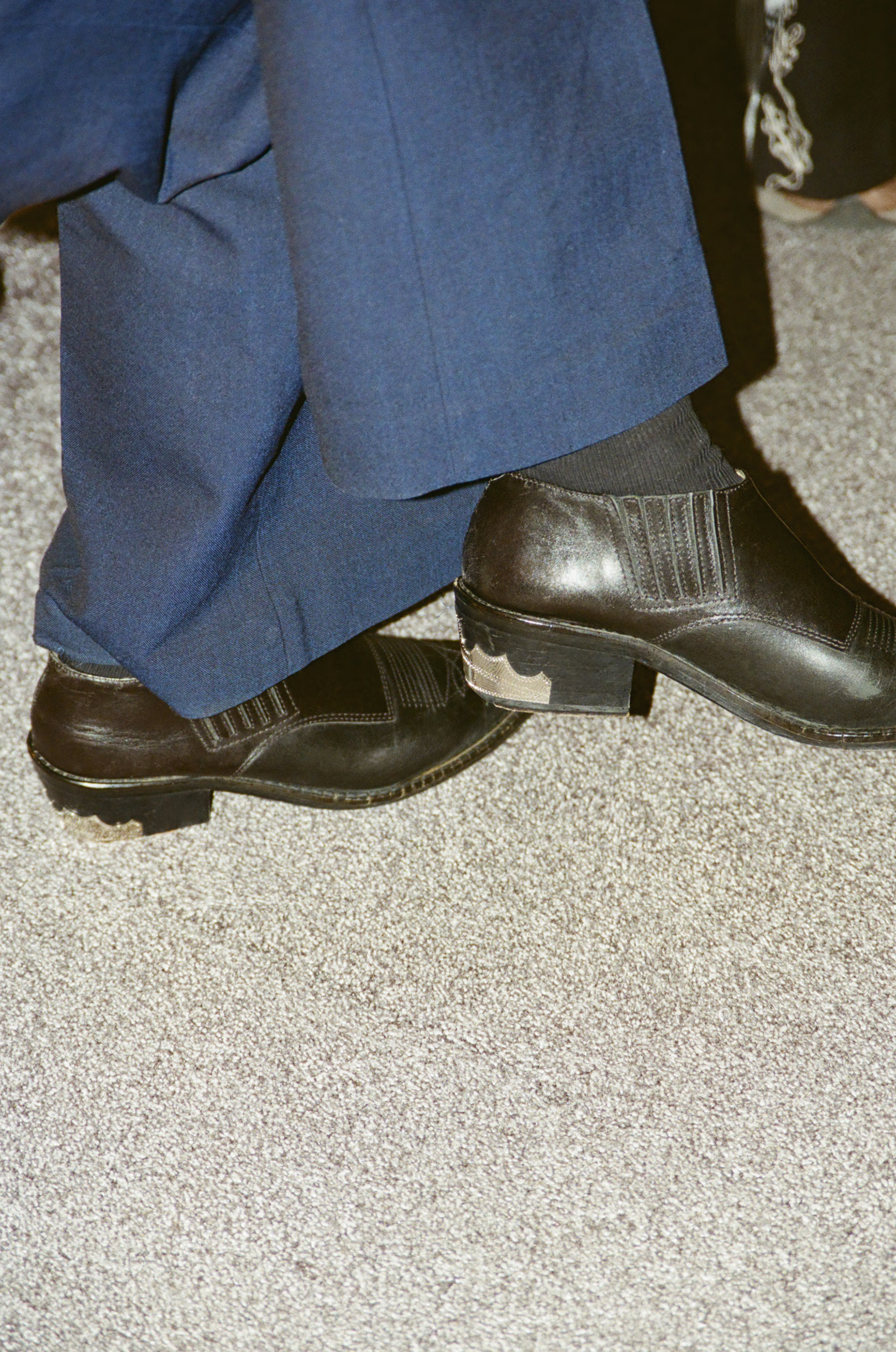
— Generally, when you hear unisex items, you imagine basic items like T-shirts or sweatshirts, but TOGA TOO's range of items is quite wide, right? How do you distinguish yourself from other lines?
I believe it is healthy to be able to work dressed in a way that allows you to be yourself. Those of us working in the fashion world feel happy just by that. I think many people in society work not only by their own hobbies and preferences but also by hiding their gender. Even now, women face restrictions on skin exposure, such as banning sleeveless wear, and wearing heels is mandatory. At overseas factories I visited for work, I saw everyone wearing distinctive clothes and their favorite makeup while working. There was even a male bus driver with nails that I thought were about 8 cm tall. Of course, I think it depends on the rules of each country's occupation, but I hope that, including myself, the boundaries from the occupational image set by society to gender will disappear, and that anyone can work in the style they like. It's actually difficult to change long-standing preconceptions, but at TOGA, we imagine various personalities and occasions, propose basic lines like TOGA and TOGA TOO, aimed at those who are deeply interested in fashion and want to take on more challenges.
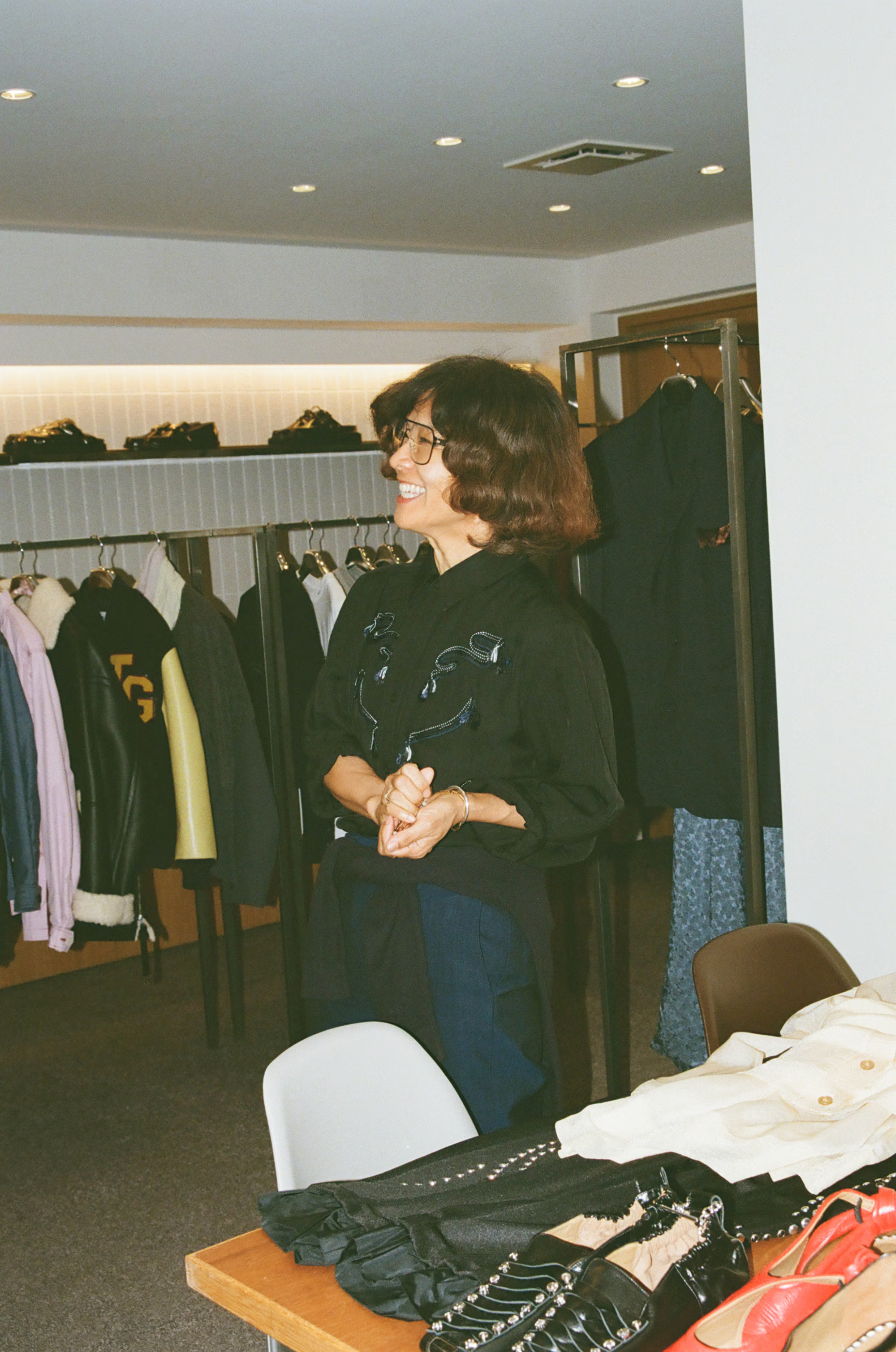
--Finally, I'd like to ask about your impression of the word "queer" and how it resonates with you.
My first encounter with the word "queer" was 20 years ago in a magazine with musician Arca on the cover, in a photo where the word "QUEER" was written on her face with her cut hair.
That's when I first learned that the word "queer" refers to sexual minorities. Back then, "queer" was a term used to describe minorities as "different," so coming out as queer was a big decision. I think that in the future, supporting it will become a word of praise that expresses a strong will to seek liberation and freedom.
Profile — Yasuko Furuta
Yasuko Furuta
Launched TOGA in 1997. Began presenting in an exhibition format from 1999. Debuted at the Tokyo Collection in Autumn/Winter 2001-02, and participated in the Paris Collection from 2006. Received the Mainichi Fashion Awards Newcomer Award and Shiseido Encouragement Award in 2003, and the Grand Prize in 2018. From 2014, the venue of presentation moved to London. Next year, 2027, the brand will celebrate its 30th anniversary.

- Shop name
- TOGA
- floor
- 2F
- telephone number
- 03-6416-9688
- Official brand website
- https://store.toga.jp/
- Official Social Media
- Instagram(@togaarchives)
Check here too>>
TOGA | “OUR, QUEER, CULTURE” (2/2)