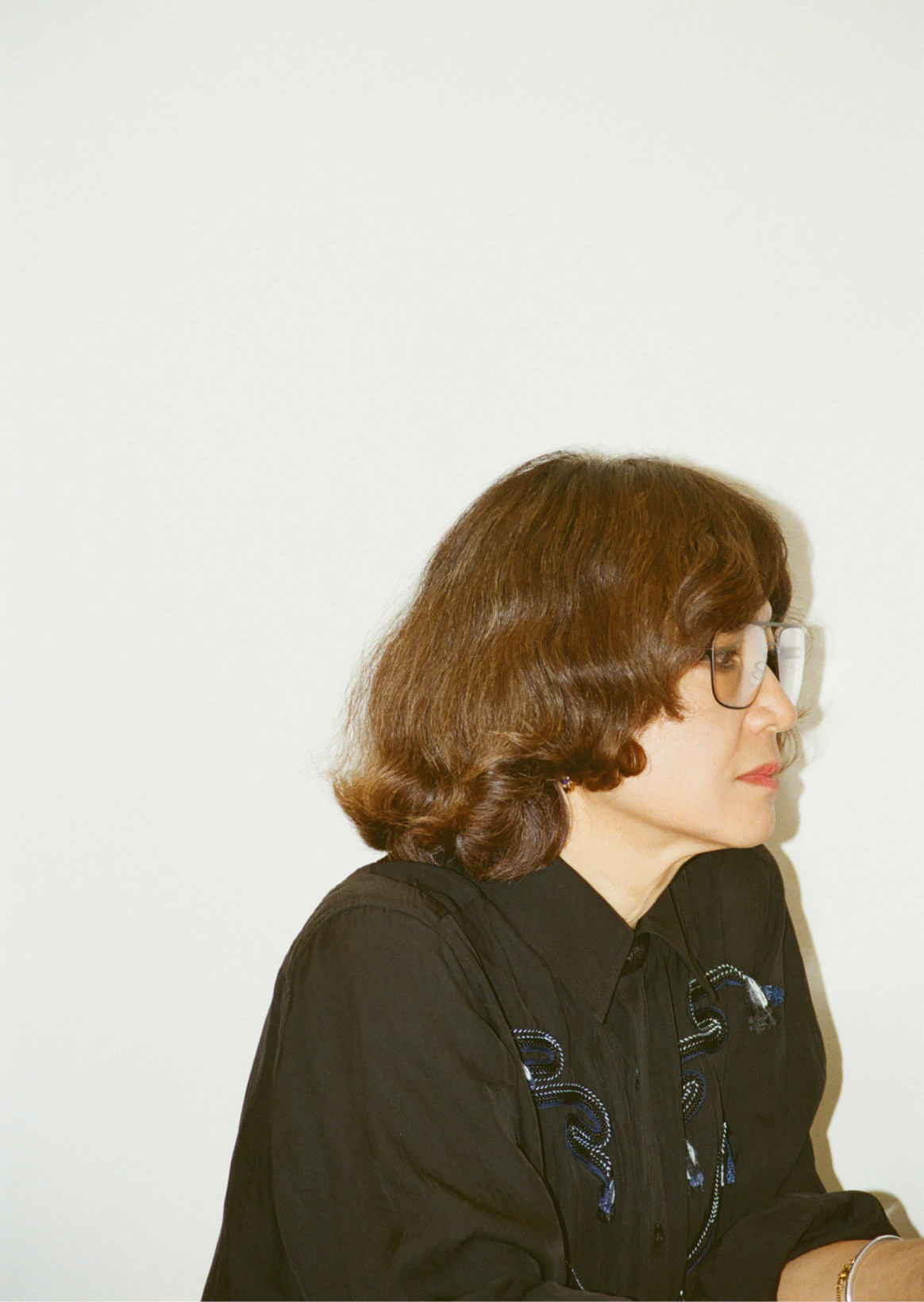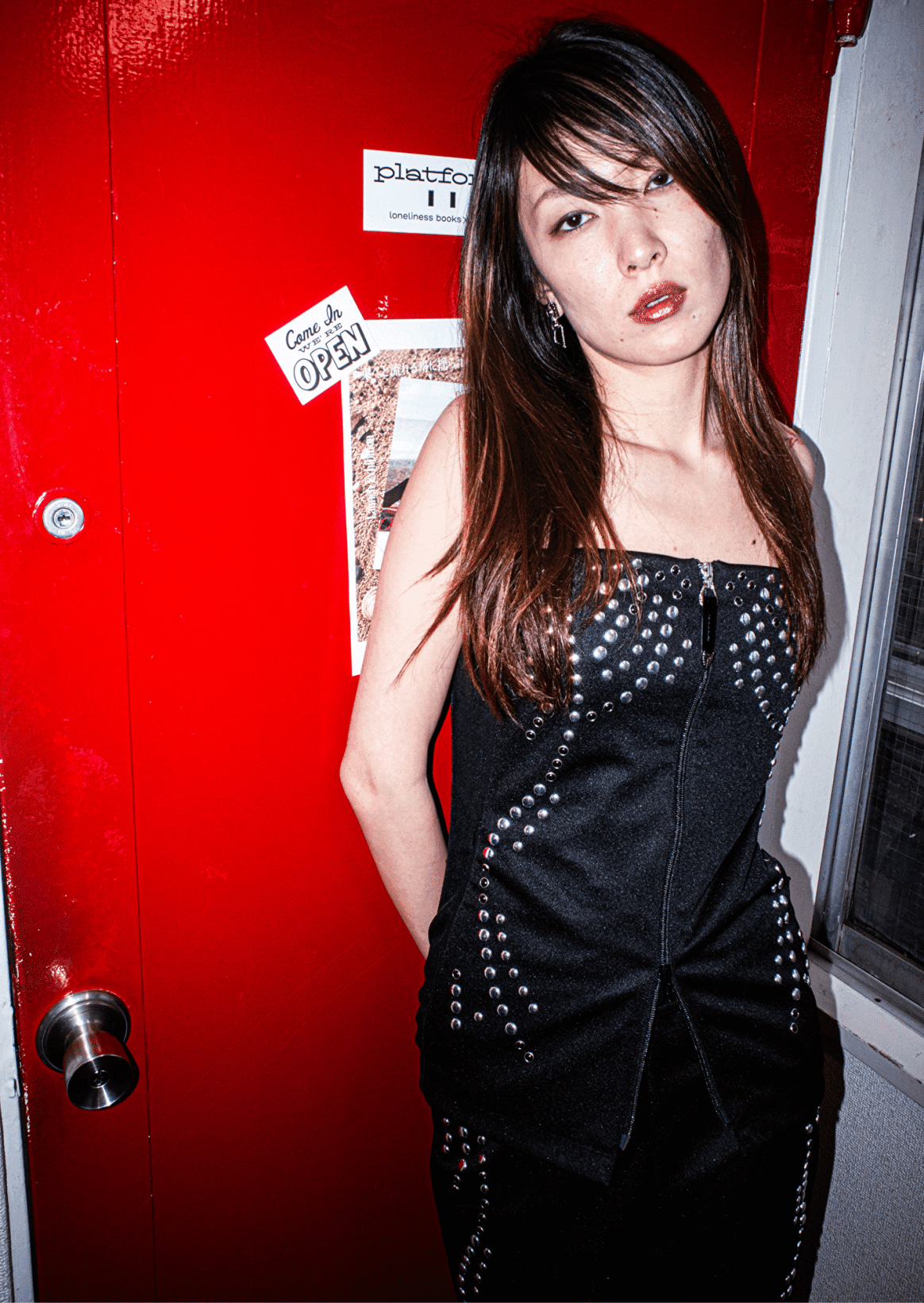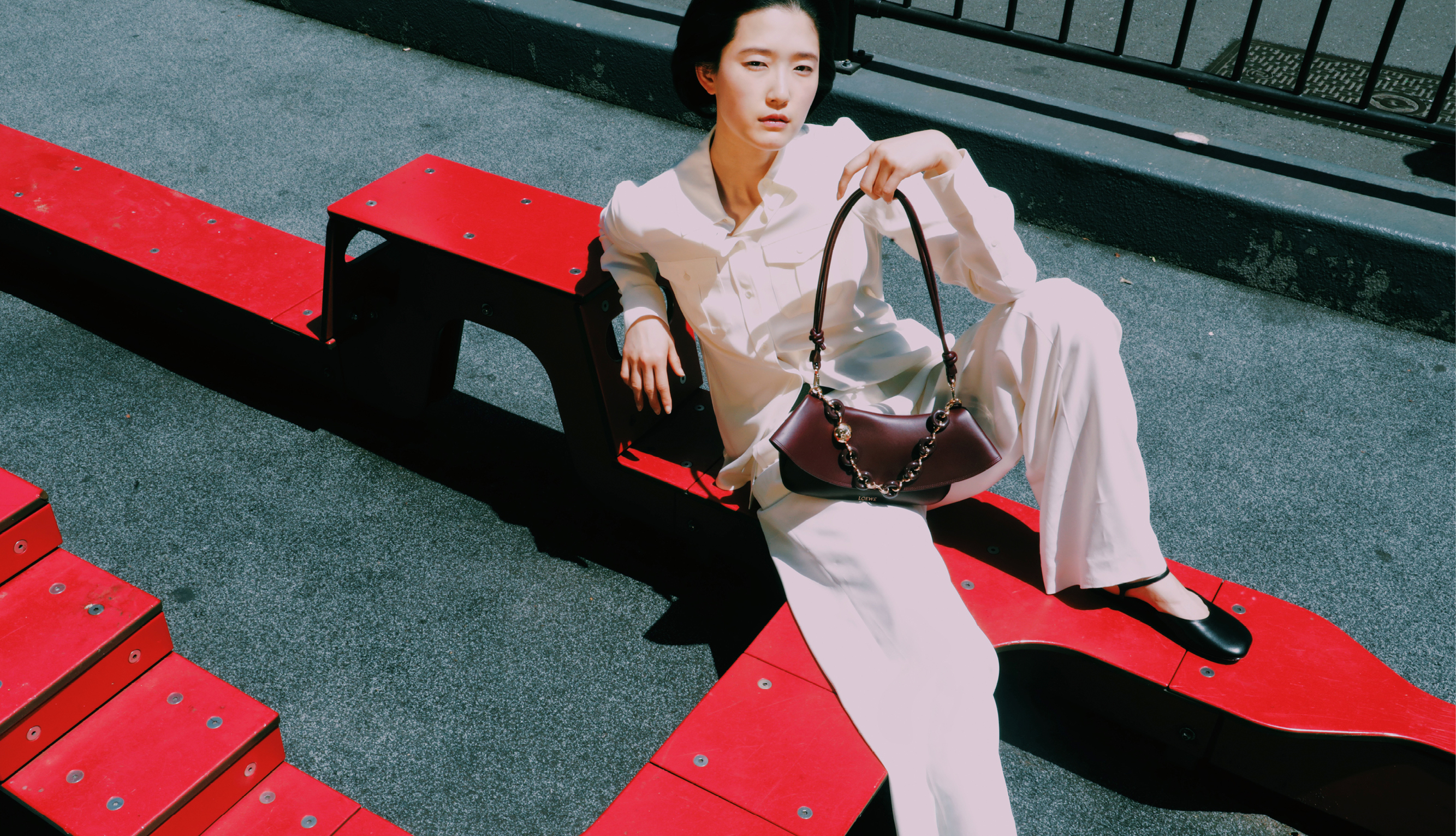
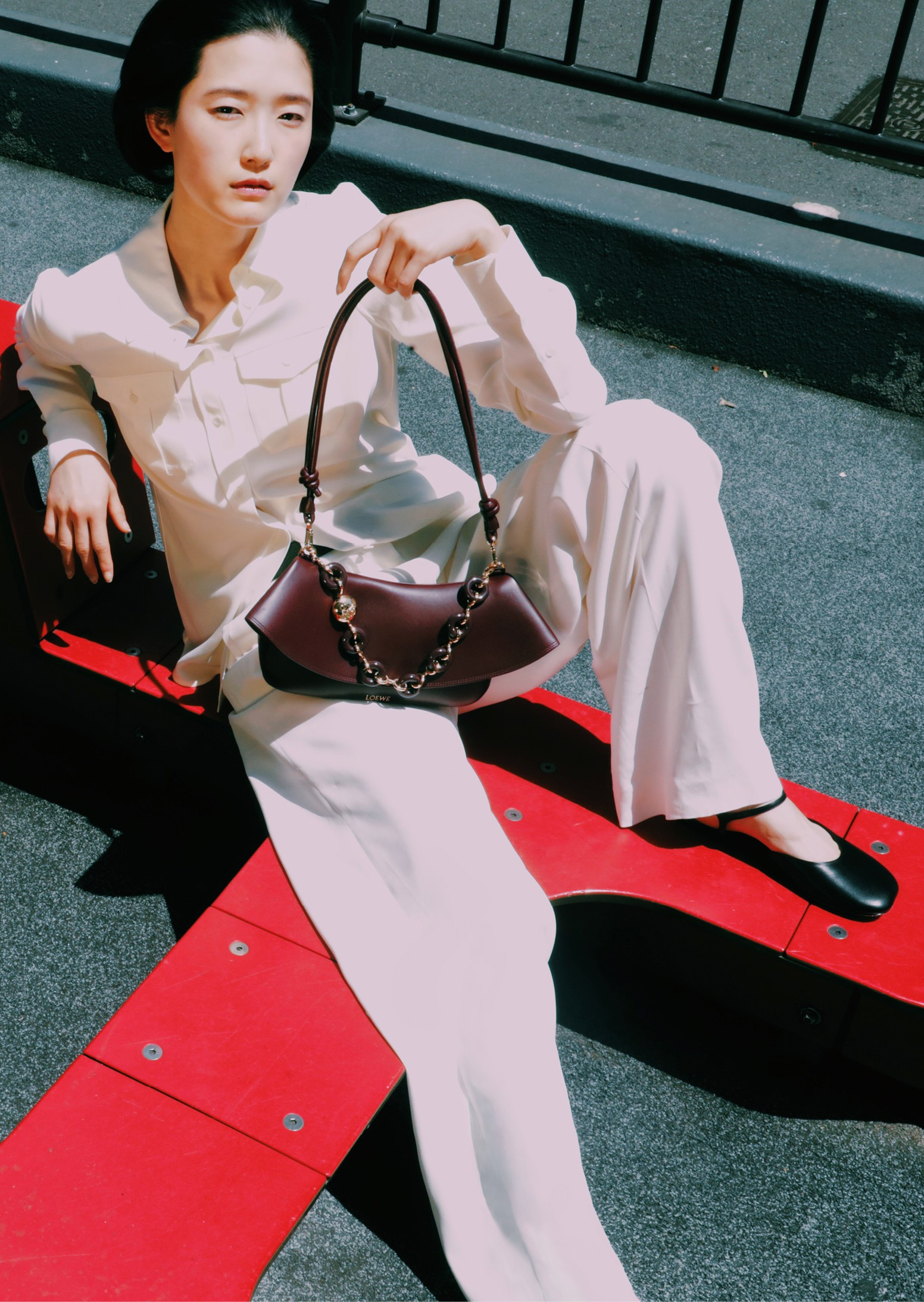
Starting Friday, May 30, Taiwanese artist Manbo Key, who will hold a solo exhibition at PARCO MUSEUM TOKYO, will be invited as collaborator. LOEWE 's new collection is projected onto the "colors" hidden in the streets of Shibuya.
A documentary film that delves into the true face of the filming site of Manbow Key and his artistic activities in Tokyo, which developed from his exploration of queer culture. It also presents an essay reflecting on the current fashion industry trends that strongly reflect social issues such as identity diversification, environmental issues, gender, and connections to supporting artists based on art and culture.
- Creative Direction
- Akira Takamiya (Moder—n)
- Photography
- Manbo Key
- Styling
- Rumiko Koyama
- Hair
- Yuko Aoi
- Make up
- Takenaka Kazuhiro
- Model
- Yuzuha (friday)
- Edit
- Minori Kitamura
- Documentary Movie
- Taro Okagawa
- Essay
- Shihoko Ansai
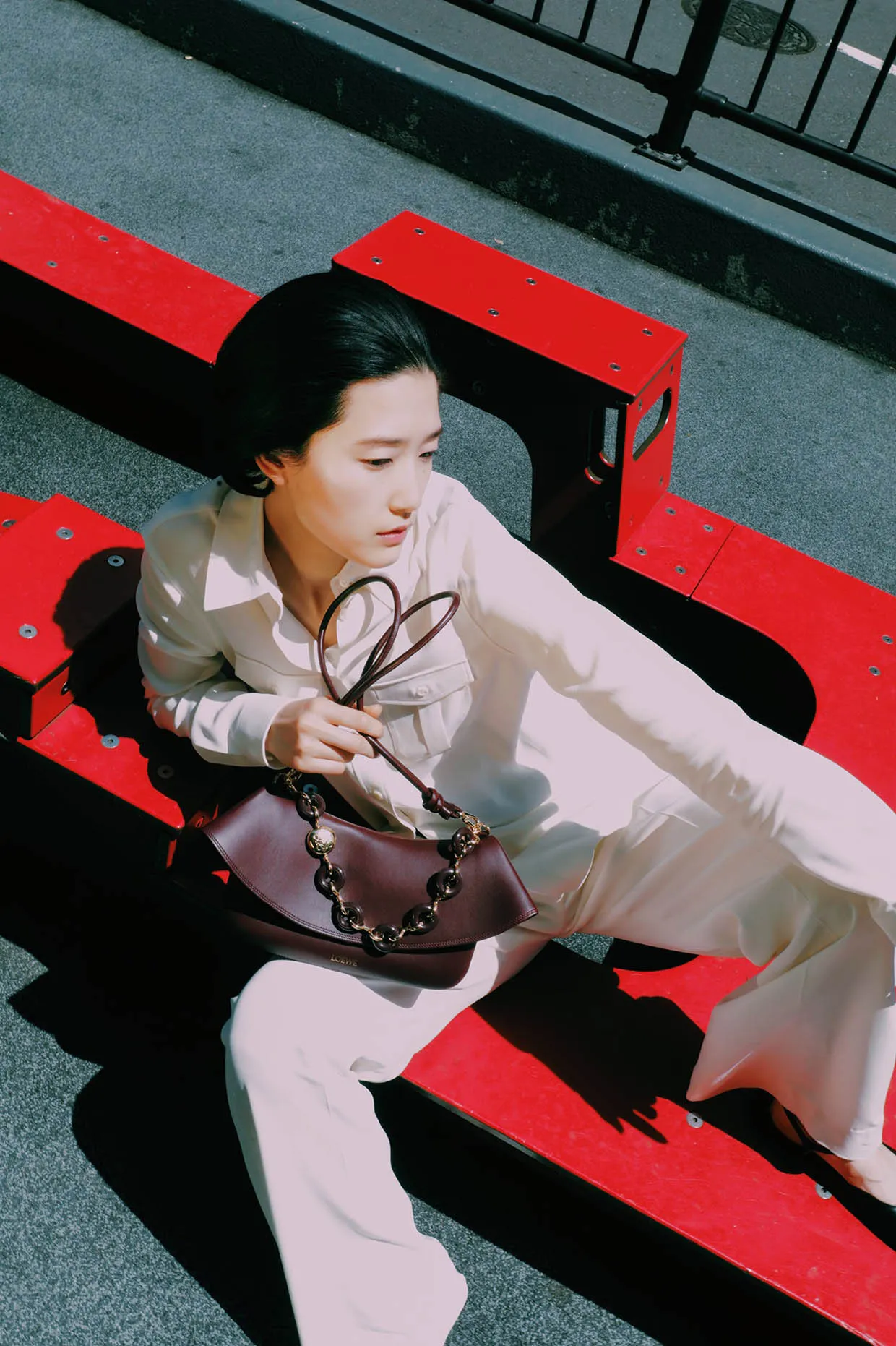
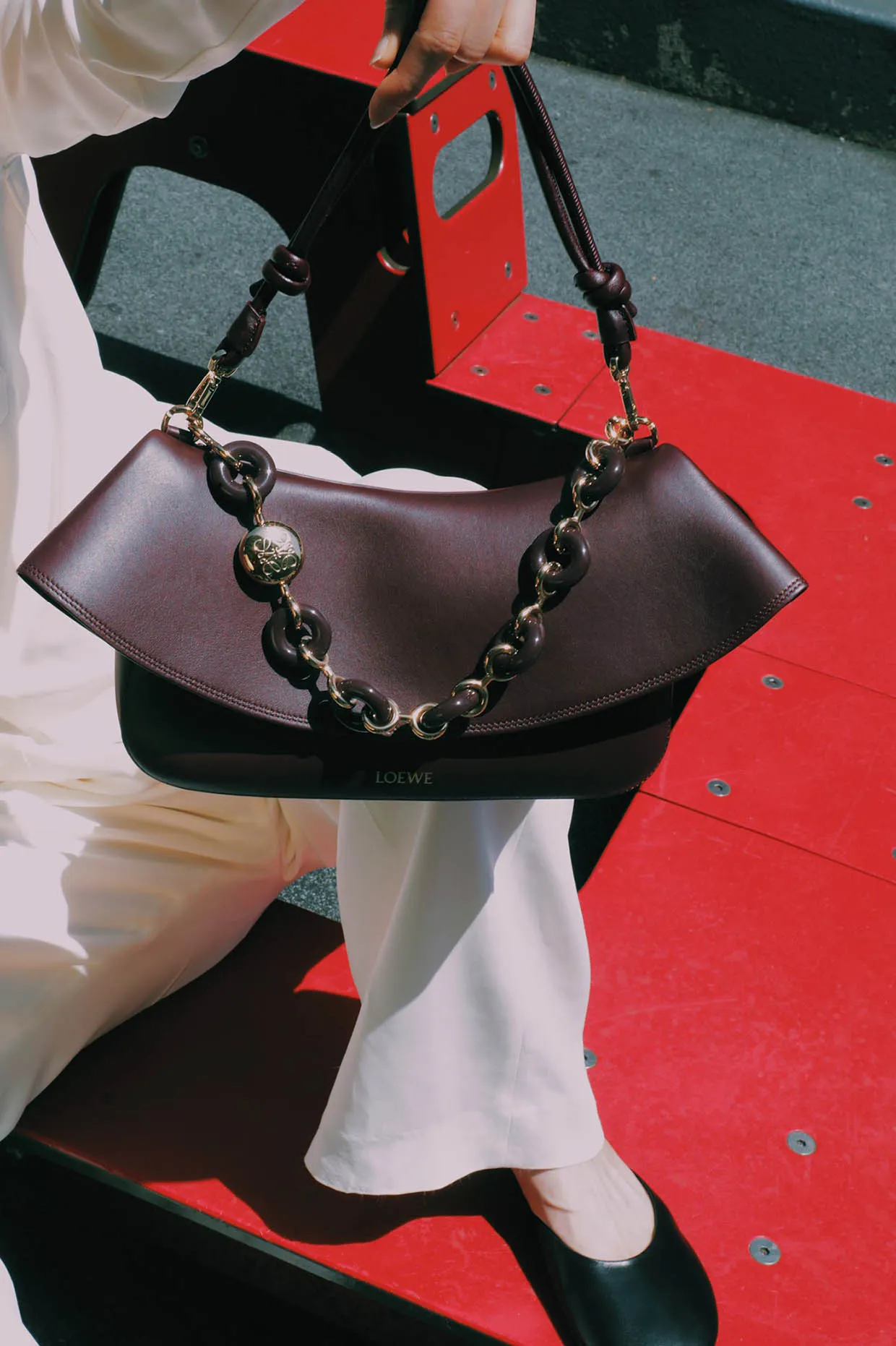
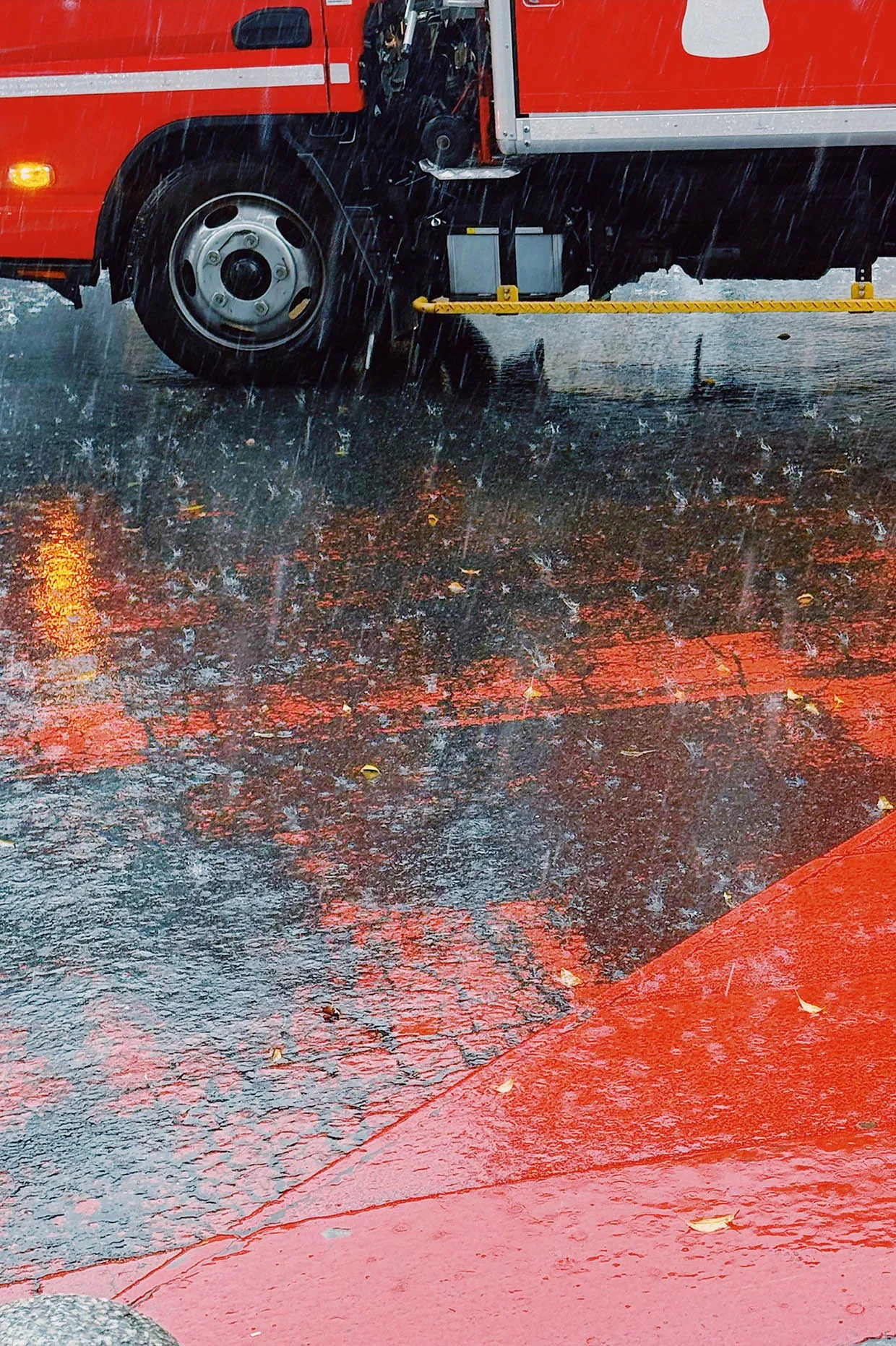
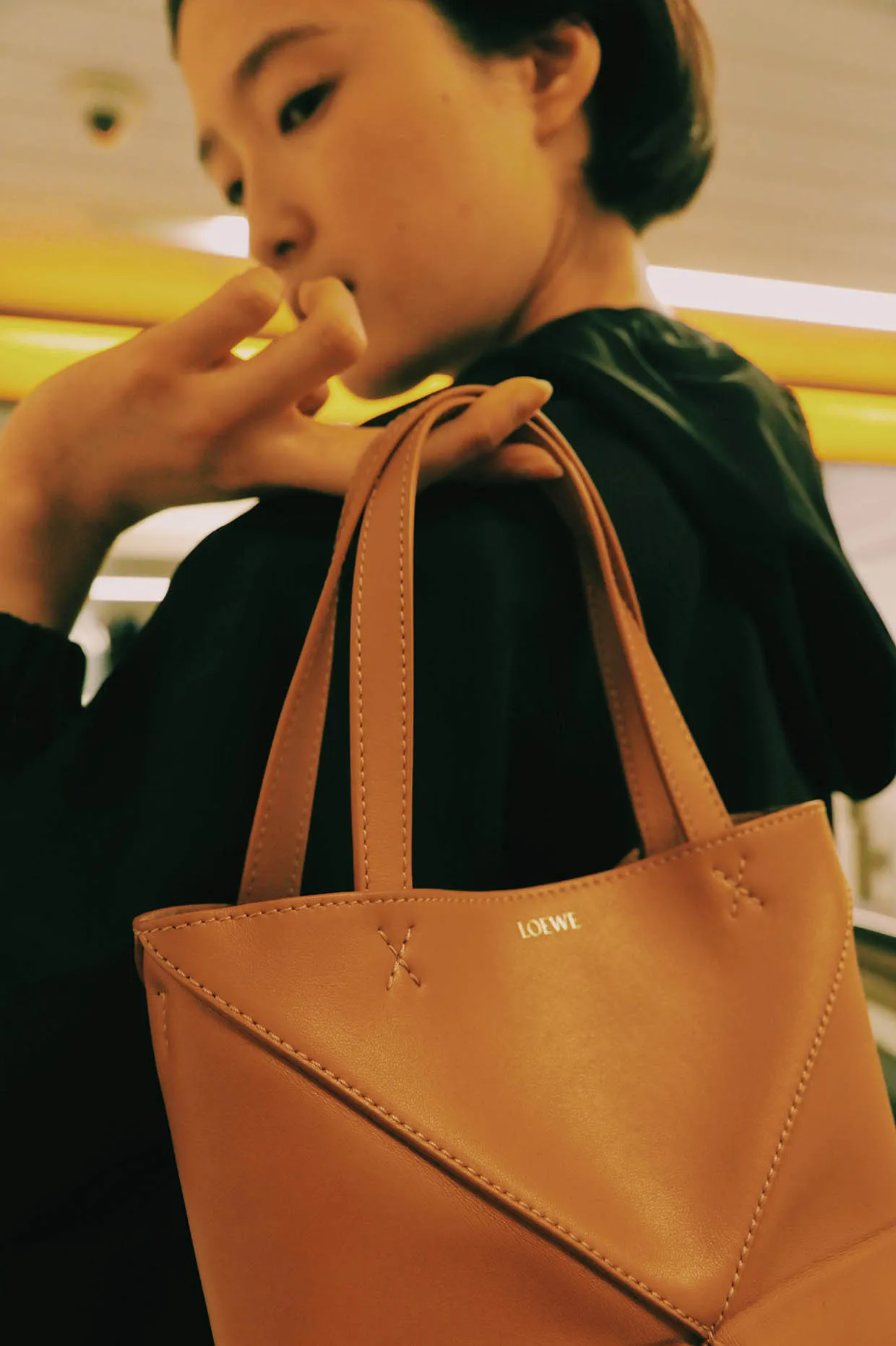
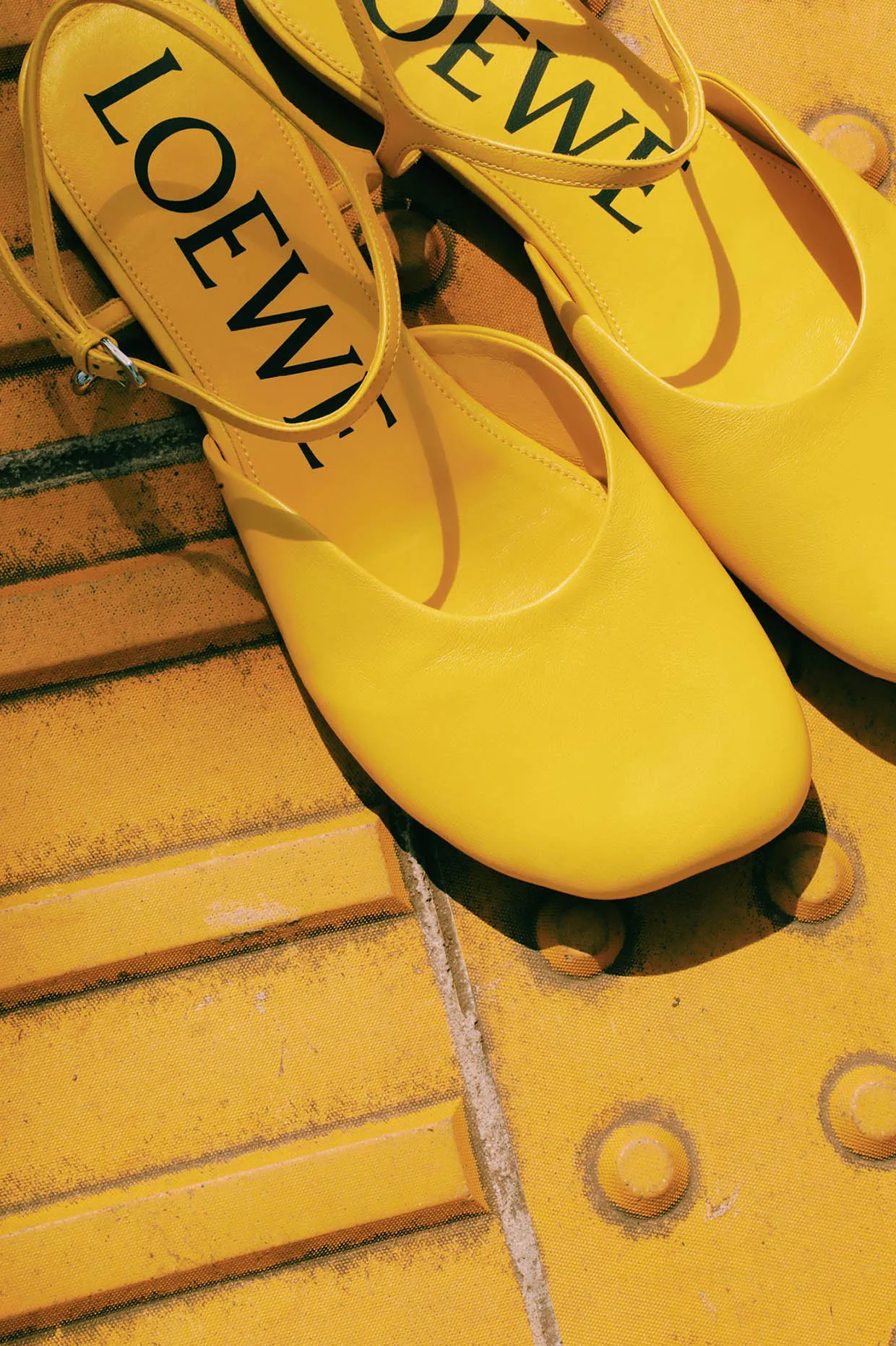
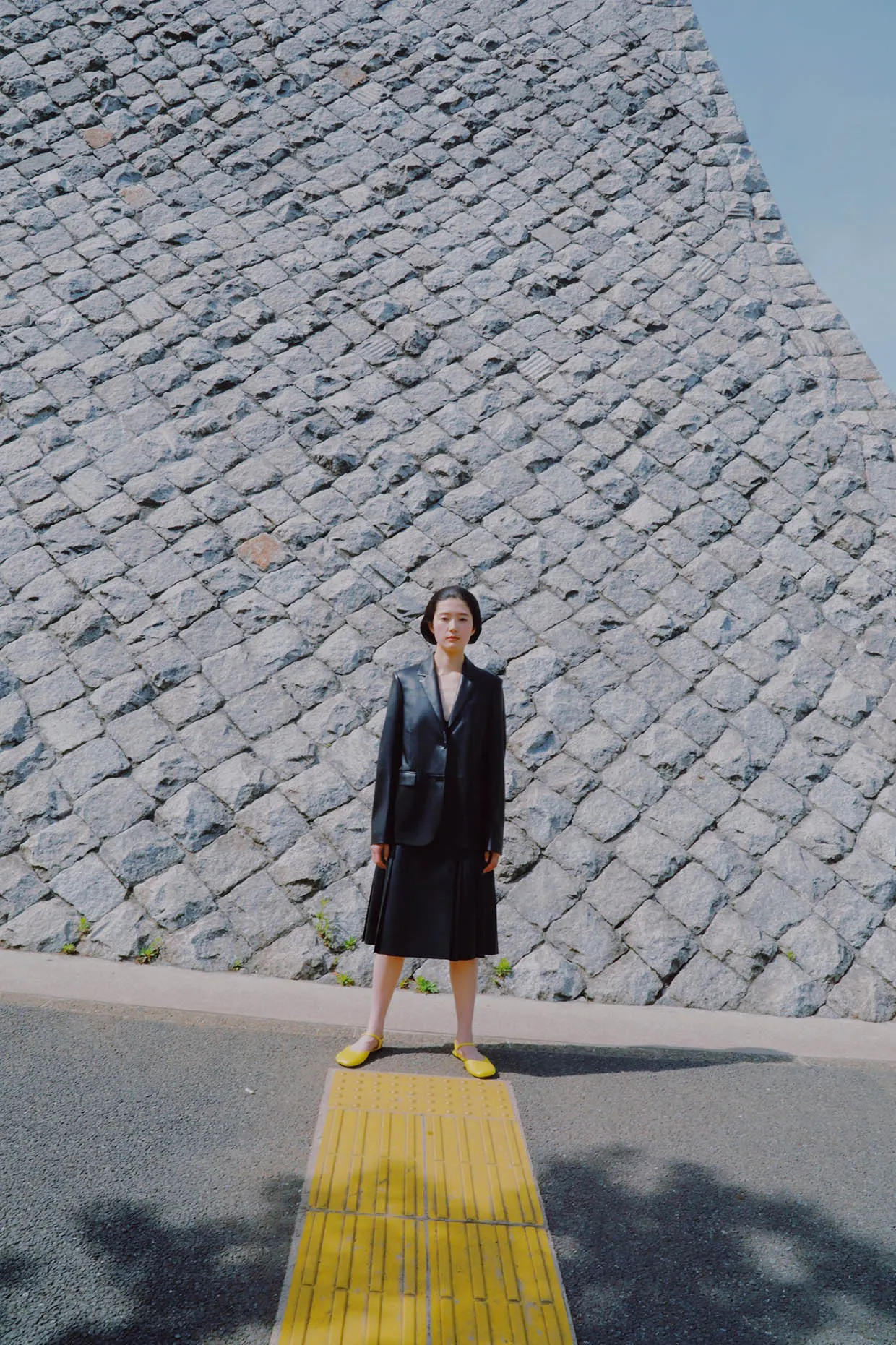
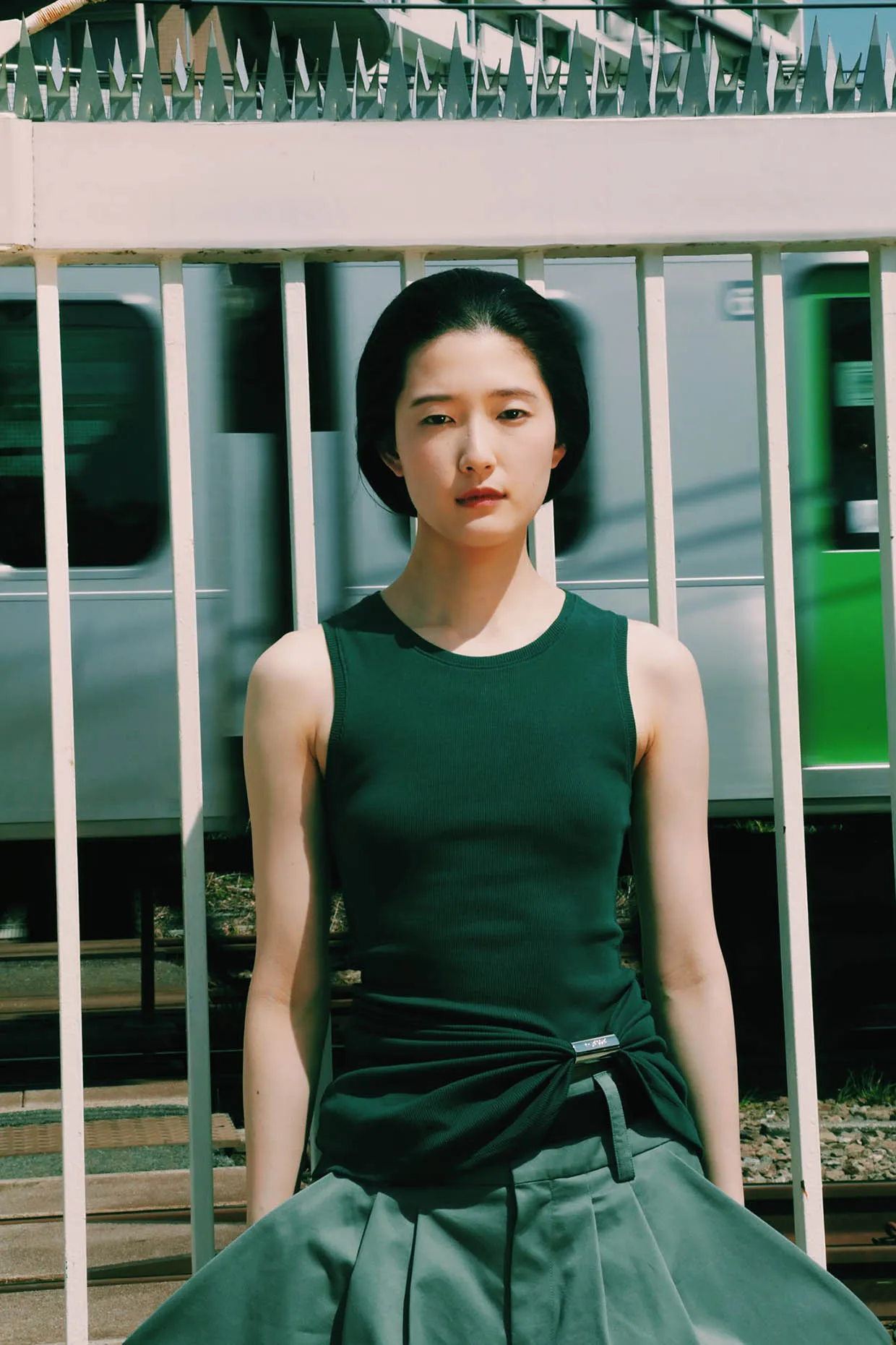
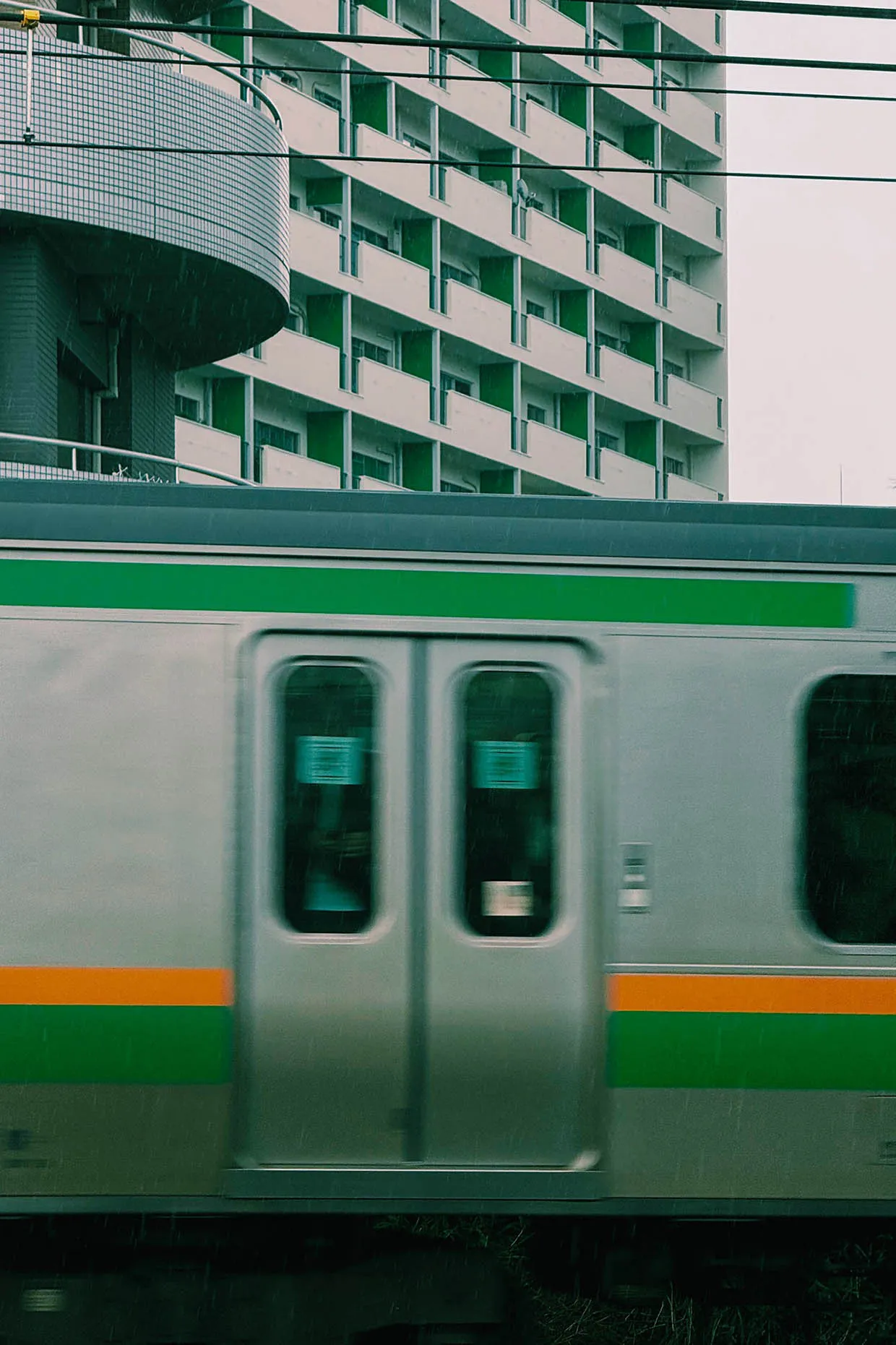
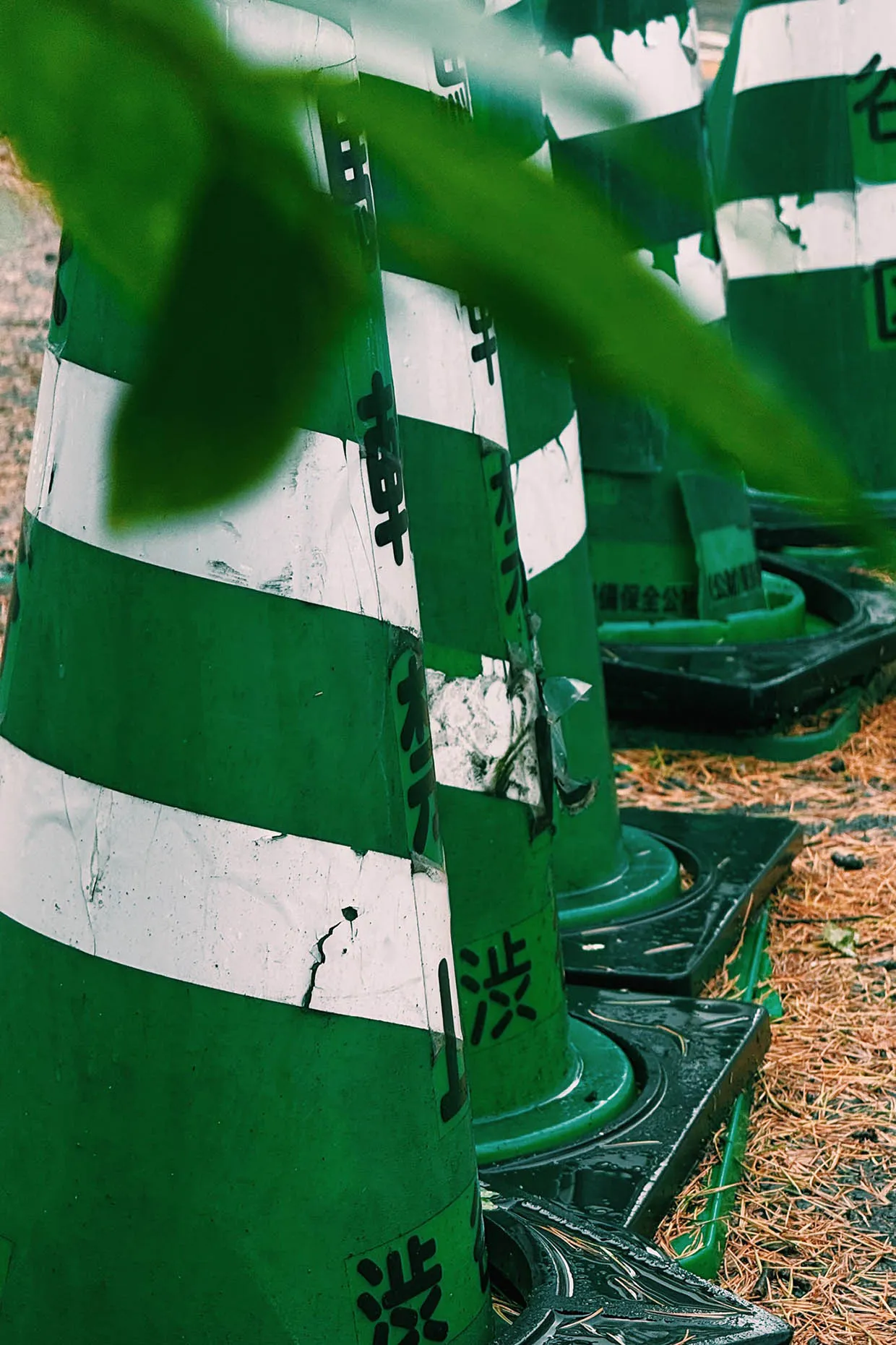
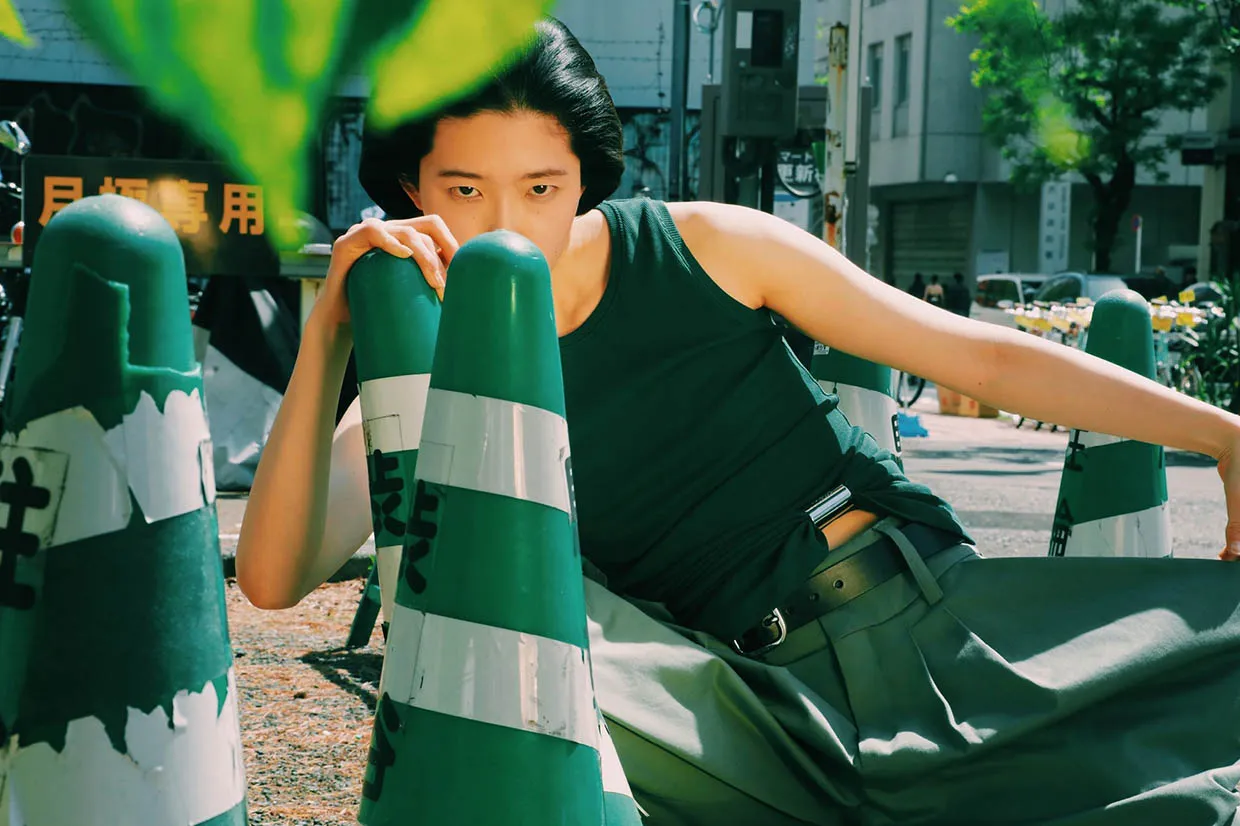
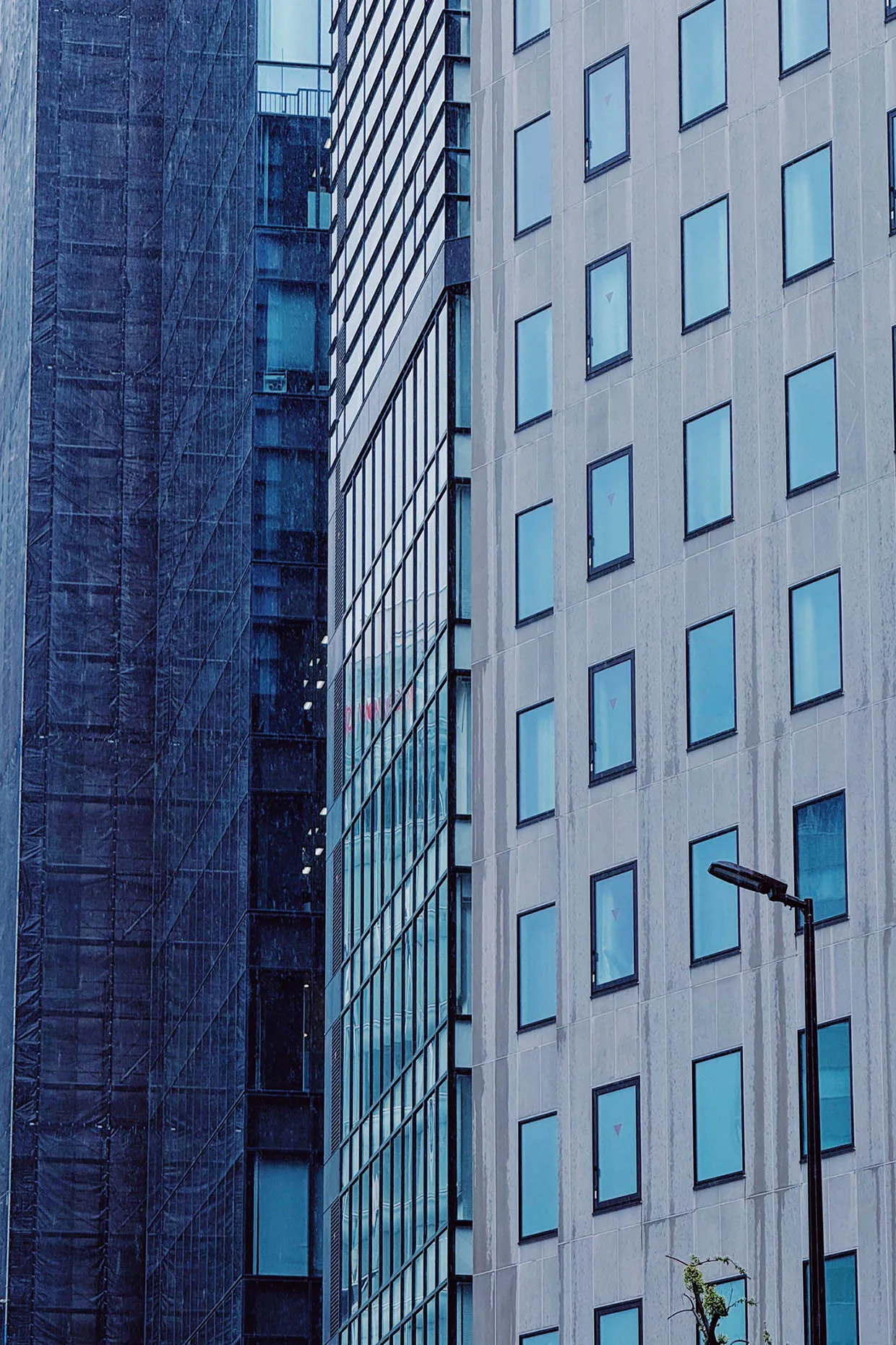
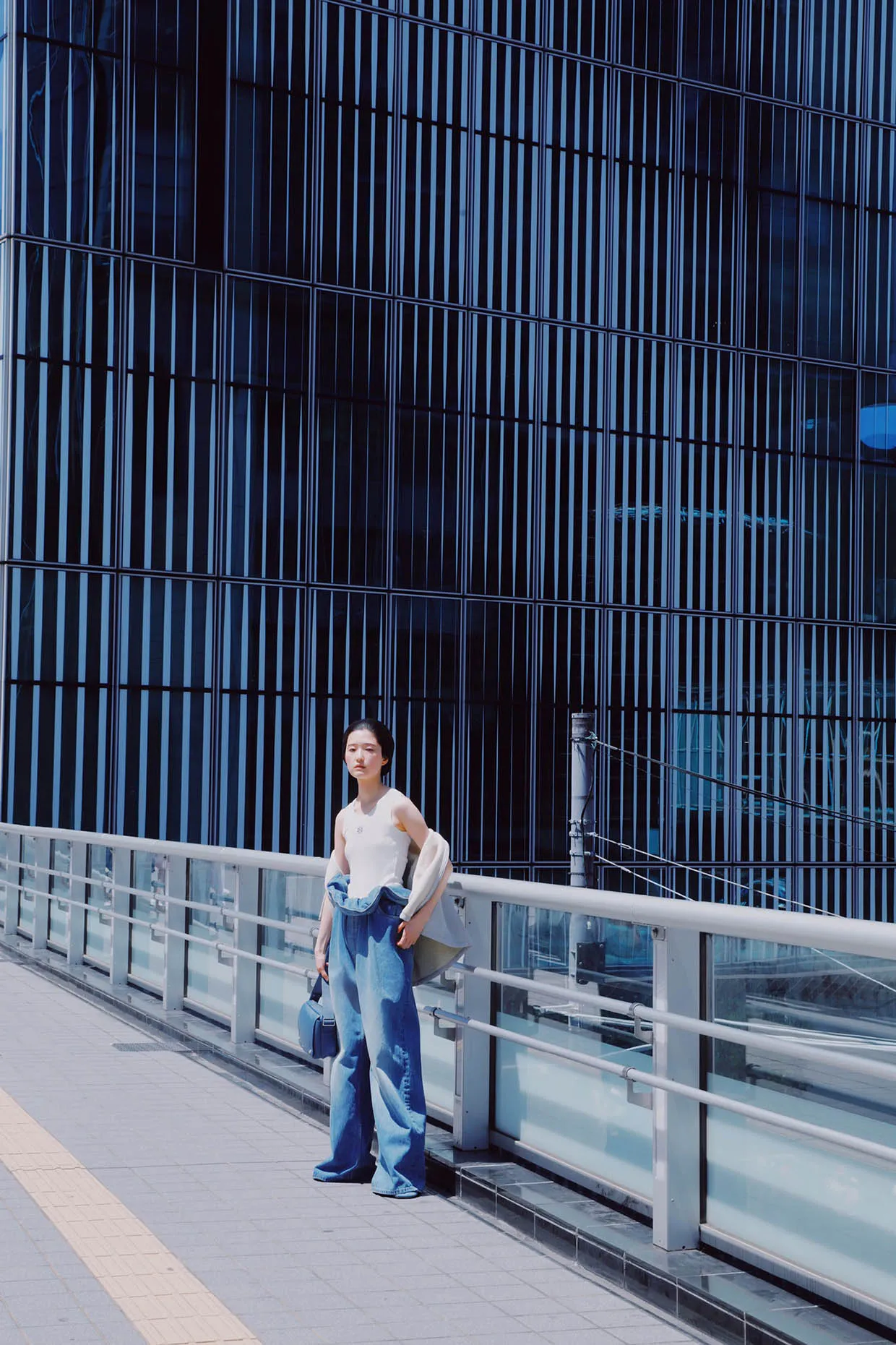
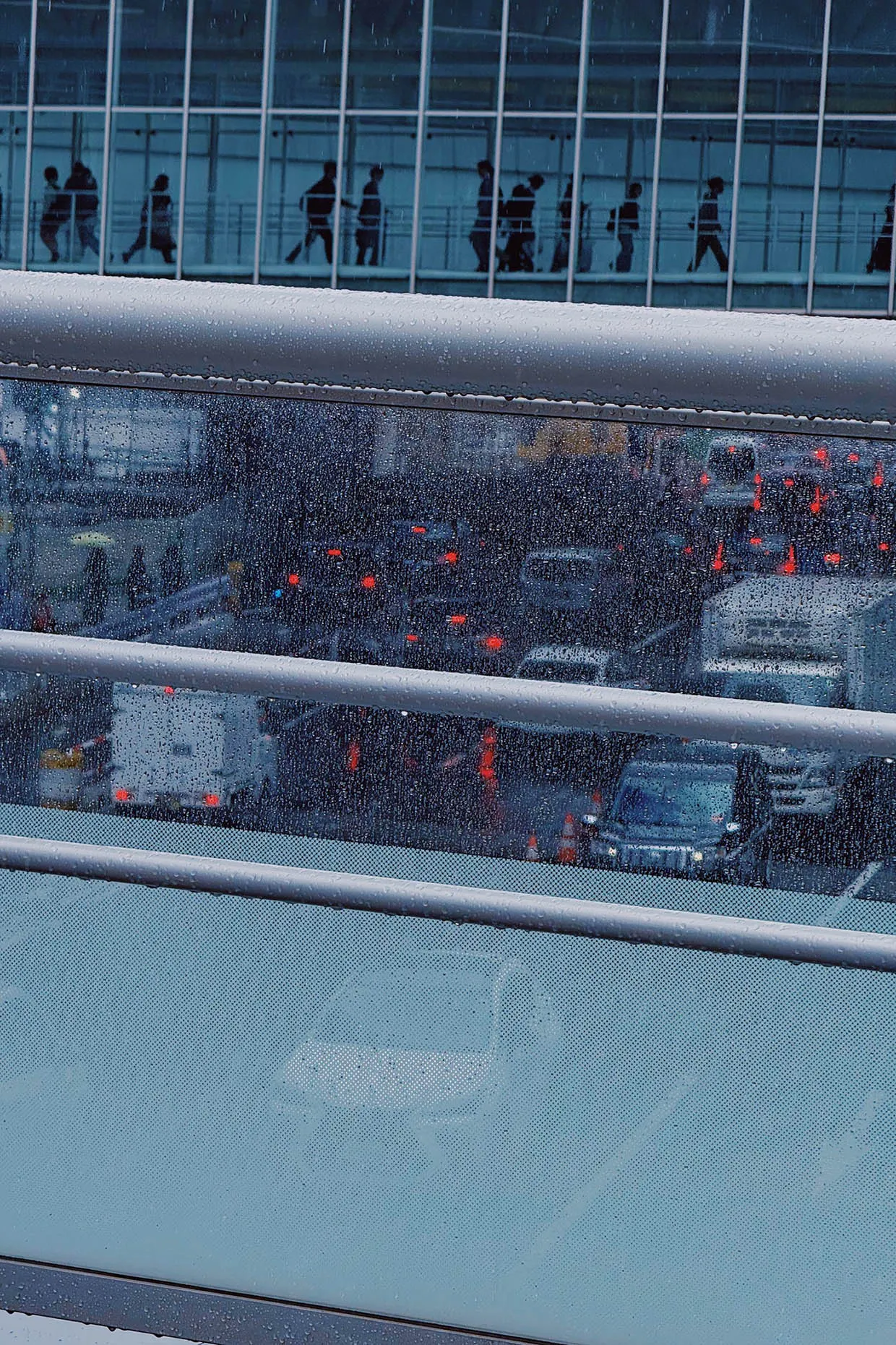
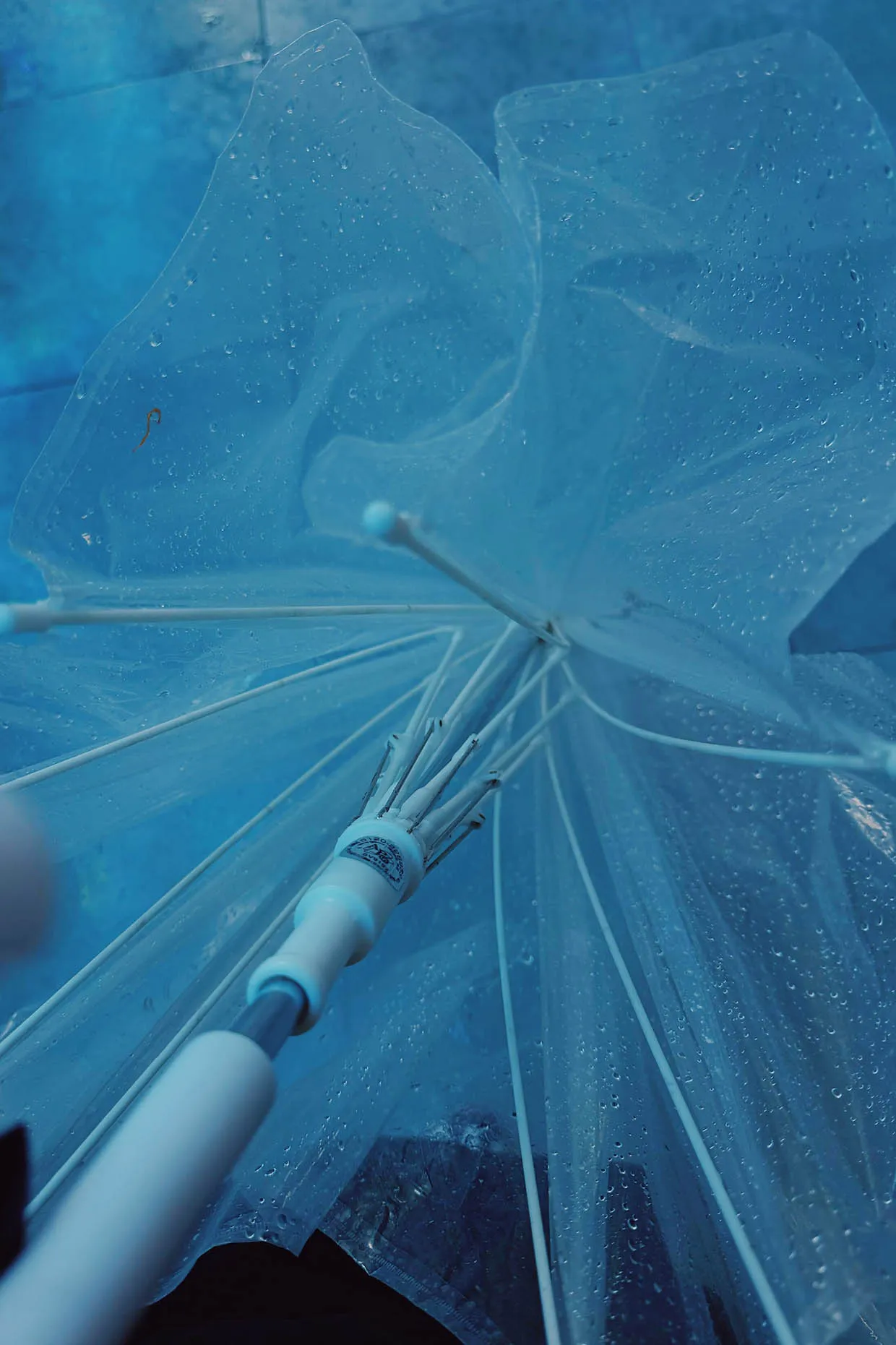
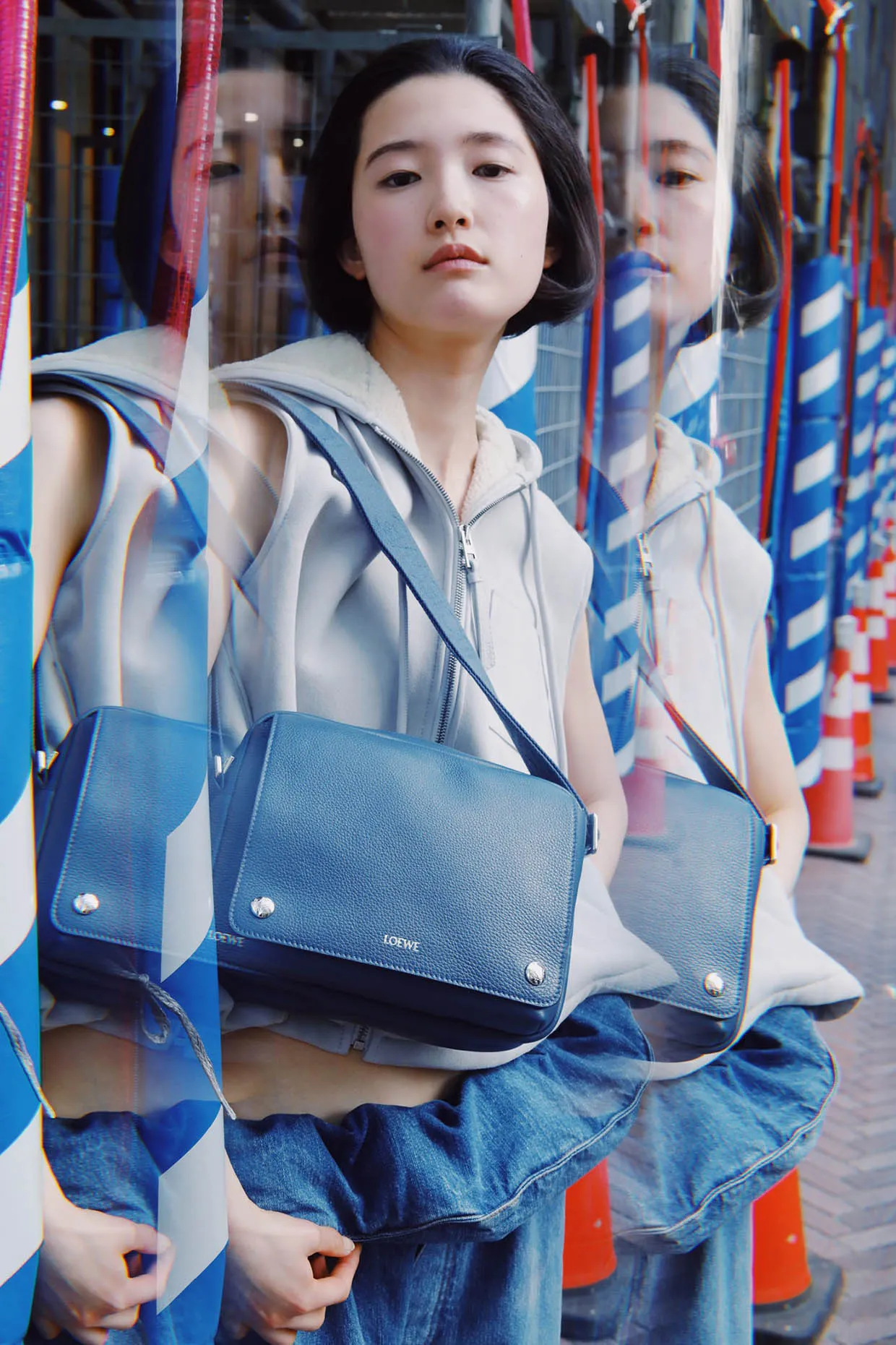
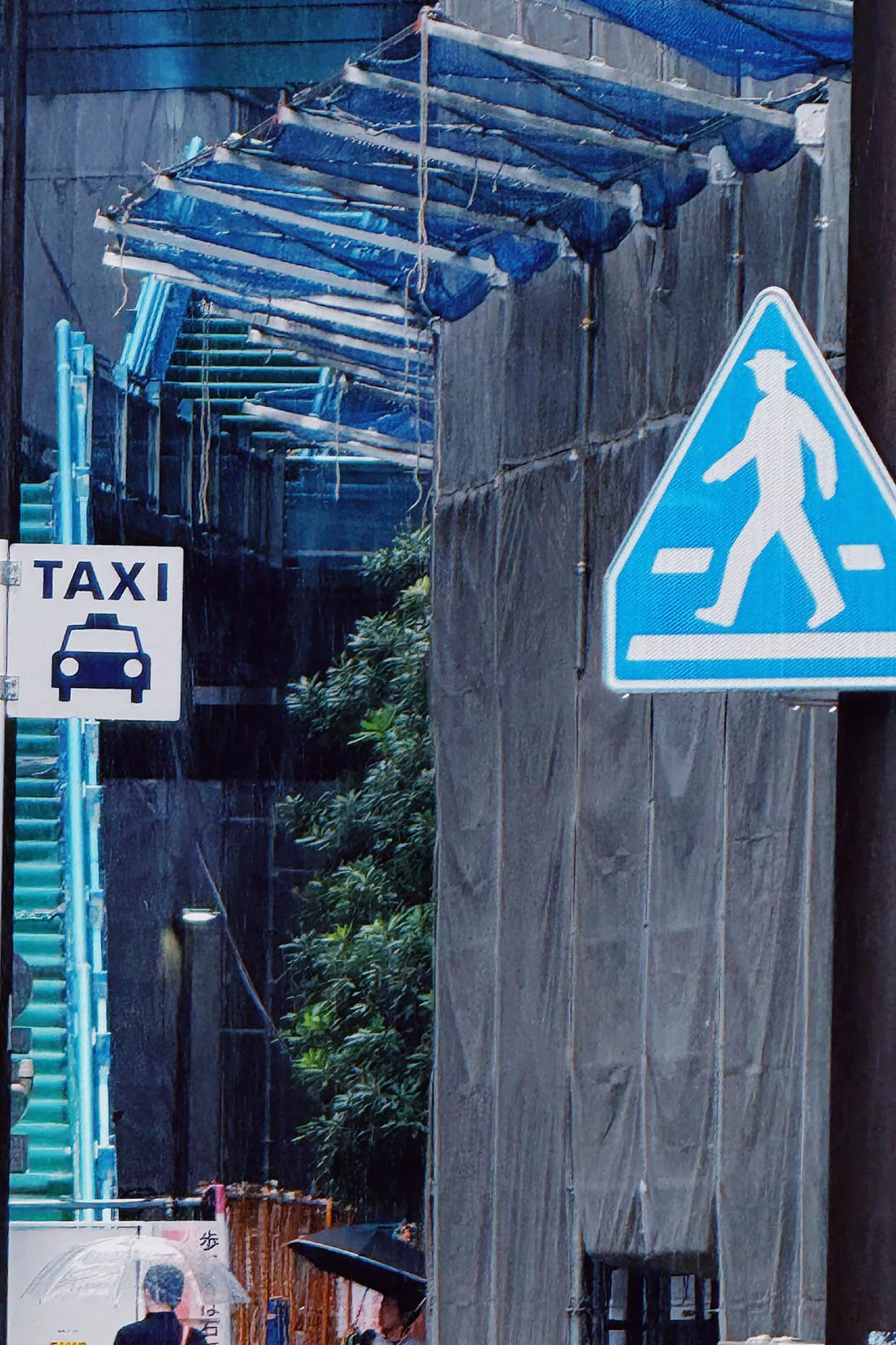
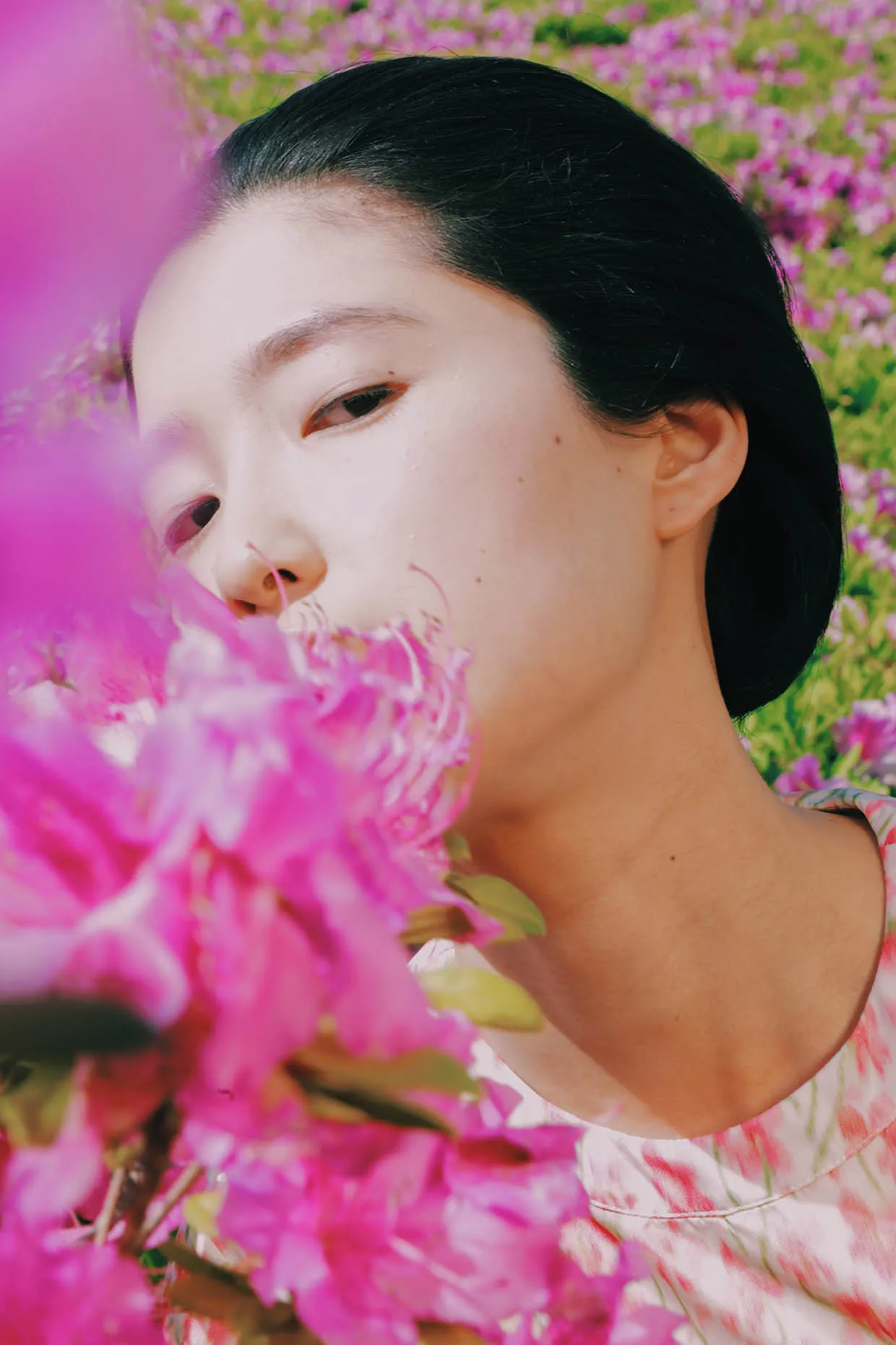
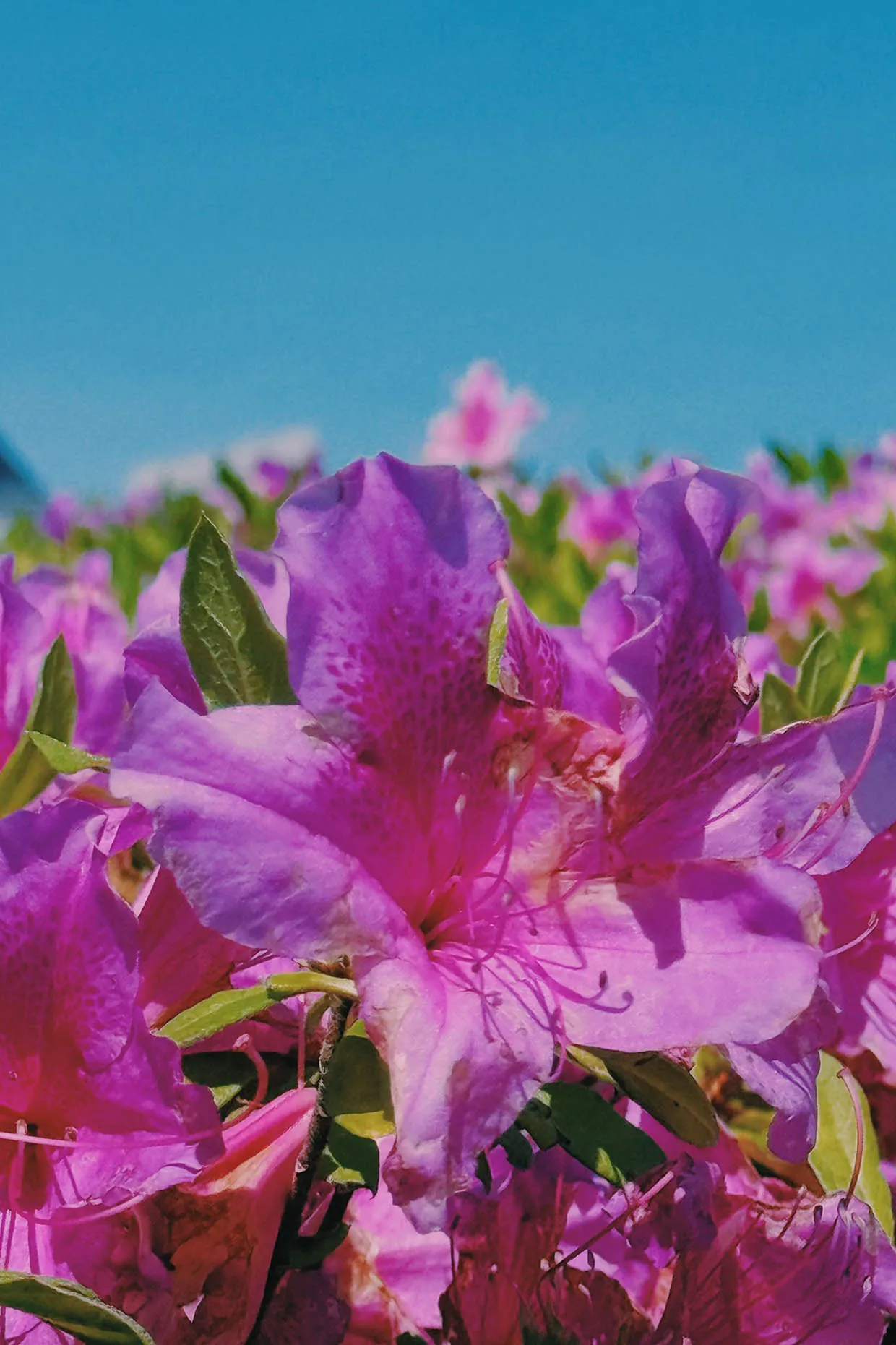
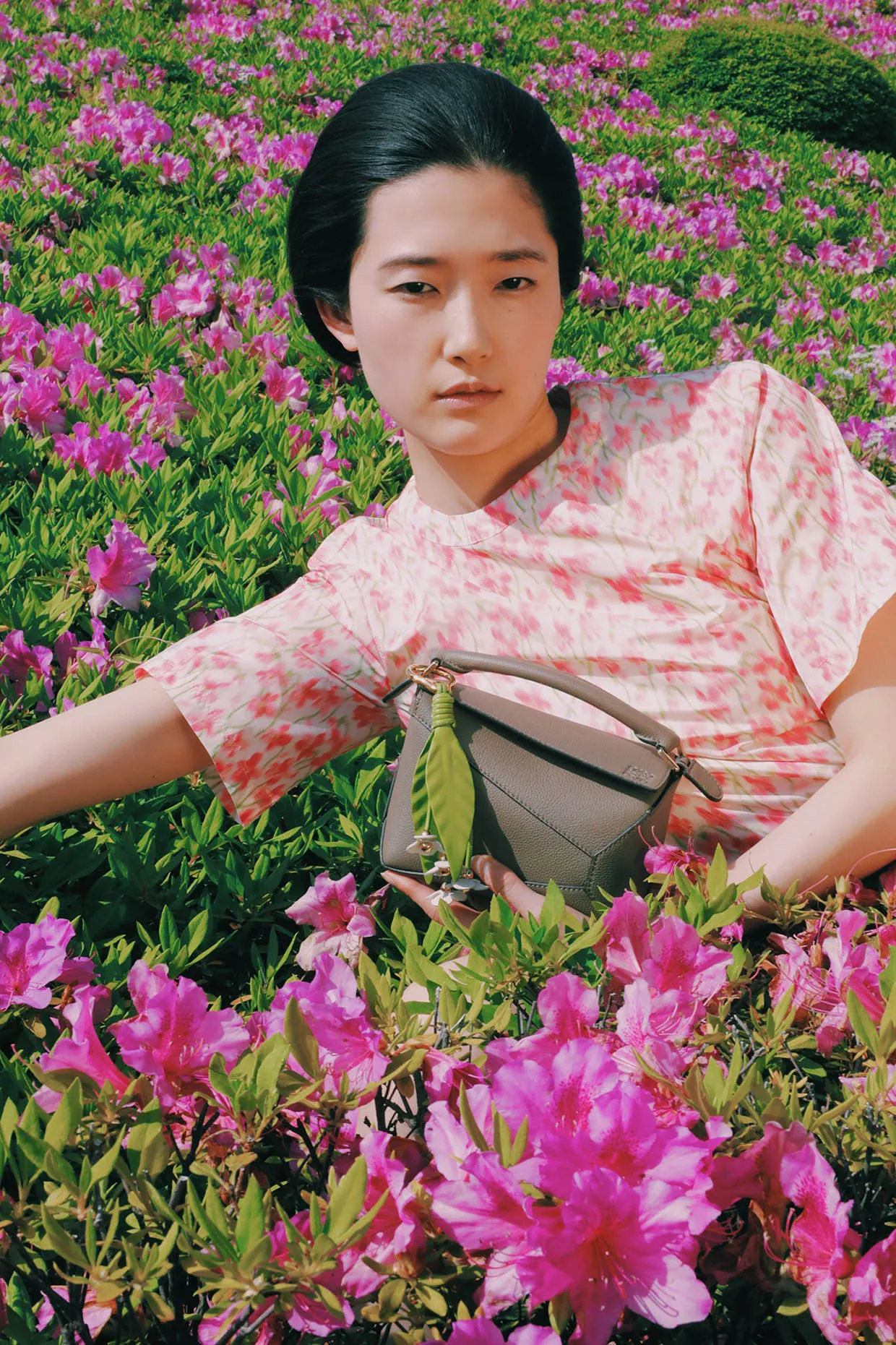
Documentary Movie | Manbo Key: The shooting diary of Tokyo
Directed by Taro Okagawa
Essay | Cultural Memory – The Persistence of Private Narratives
Text by Shihoko Anzai
Fashion transcends boundaries of nationality, gender, age, belief, and physical form, serving as a means to visualize the "individuality" within an individual, and sometimes even as armor to protect it. For some, fashion is an expression of self-affirmation, while for others, it is a challenge to existing values. Whatever the intention behind wearing fashion, the act of dressing inevitably contains a narrative.
In recent years, inclusivity and diversity have become increasingly prominent in the fashion world, leading to a rise in expression that transcends traditional beauty standards and gender frameworks. Models on the runways are no longer homogeneous "ideal images," but are transforming into figures that reflect the diverse realities of the world. This, in turn, is prompting each of us to consider the questions of "for whom" and "how" fashion should exist.
Many fashion houses and brands have used expressions that reflect the cultural context and social conditions of their time to pose questions about complex themes such as war, inequality, environmental issues, and gender. For example, they may symbolically address these contemporary issues on the runway, or they may incorporate bold slogans and messages into their designs, using clothing itself as a medium for social discourse. These examples demonstrate that fashion functions as a critical practice.
Clothing does not remain silent—for every body that wears it, there is a story to tell. In this way, fashion goes beyond a superficial matter of style, and approaches fundamental questions such as how we "live with others" and "how we speak for ourselves" with both sensitivity and power. Therefore, contemporary fashion is not merely a decorative culture, but a mirror of society, a forum for dialogue, and a means of resistance.
At the same time, there are many fashion houses and brands that value tradition and craftsmanship, carefully preserving their techniques and prestige. These houses and brands function as symbols of "unchanging value" even in a changing era. For example, their uncompromising attitude towards hand-stitched tailoring and material selection can be seen as a quiet resistance to modern society that prioritizes efficiency and speed. Rather than conforming to the trends of the times, they present their own unique aesthetic sense, spirituality, and attitude towards culture, prompting people to ask, "What is authenticity?"
Thus, fashion fluctuates between two extremes: a fluid aspect that constantly changes in response to societal and individual shifts, and a perpetual aspect that transcends time and is passed down through technology and spirituality. In this in-between space, we may unconsciously weave our own values and way of life into the clothes we choose to wear every day.
Among them, LOEWE is one of the leading contemporary maisons, valuing traditions backed by craftsmanship and dedicating itself to protecting and promoting art and culture. Since 2022, it has continuously sponsored Tokyo Rainbow Pride, clearly demonstrating a proactive stance toward realizing diversity and inclusion. While reexamining preconceived notions about gender and sexuality, LOEWE creates a space through fashion as a visual and social medium that affirms and celebrates everyone living authentically. This reflects the maison's spirituality in designing relationships with society beyond mere clothing.
Moreover, LOEWE goes beyond mere support; through collaborations with artists and activists, it also attempts to visualize social voices as "works." These activities demonstrate that the maison stands between tradition and innovation, fulfilling its role as a cultural bearer.
Manbo Kee, a Taiwanese artist collaborating with LOEWE this time, elevates intimate relationships with subjects and everyday scenes into unreal, dreamlike worlds. The familiar landscapes and gestures of people transform, through his lens, into stories from another dimension. The pop and happy colors he expresses create a unique atmosphere where nostalgia and futurism coexist, blurring the boundary between reality and fantasy. Within it lies a reinterpretation of the very act of "seeing," not mere documentation. His works capture corners of the city and the daily life of people, yet are always accompanied by visual provocation and sensory stirring.
In 2019, when same-sex marriage was first legalized in Asia in Taiwan, Manbo held a solo exhibition starting with a private videotape about his father's sexuality. Until then, the taboo "narrative" of sexuality was opened to the public through photo and video installations, evoking strong emotions and reflection in viewers. This exhibition powerfully brought to light the complex emotions hidden within individuals and friction with social norms through art. In particular, by using the father as a medium to present the courage to "speak privately" itself and the new perspectives that arise only through being spoken, it deeply resonated with changes in Taiwanese society.
At first glance, personal narratives may seem to be confined to individual memories and experiences. However, when they are shared with others and externalized through works of art, words, or bodily expression, they transform from mere "mine" memories into "our" memories. Such narratives have the function of picking up voices and experiences that tend to be relegated to the periphery of history and establishing them within culture.
Fashion, photography, film, literature—in any form of expression, individual perspectives and sensibilities serve as a medium through which the atmosphere of the times and the contradictions of society are recorded and continuously reinterpreted. In other words, "private narratives" play the role of a permanent memory device that records and updates culture. Through these narratives, we come into contact with emotions, stories, and voiceless voices that are often forgotten, and at times we question our own memories and positions. And perhaps this act is what connects culture to the future.
Profile — Manbo Key
Born in Taiwan in 1986, he developed an interest in photography while working in film art direction, leading him to pursue a career as a photographer. His creative process involves an intimate relationship between the photographer and the subject, as well as observation of the subject and scenes from everyday life. He has worked on numerous projects in fashion, advertising, and other fields, including "Vogue Taiwan," "GQ Taiwan," and "marie claire." His activities have expanded to Hong Kong, Berlin, and Tokyo, including "Father's Videotapes" (2019) held at the Taipei Fine Arts Museum.
- Brand name
- LOEWE
- floor
- 1F
- telephone number
- 03-6215-6116 (Loewe Japan Client Service)
- Official Social Media
- Instagram(@loewe)
X(@LoeweJP)
Web https://www.loewe.com/jap/ja/home