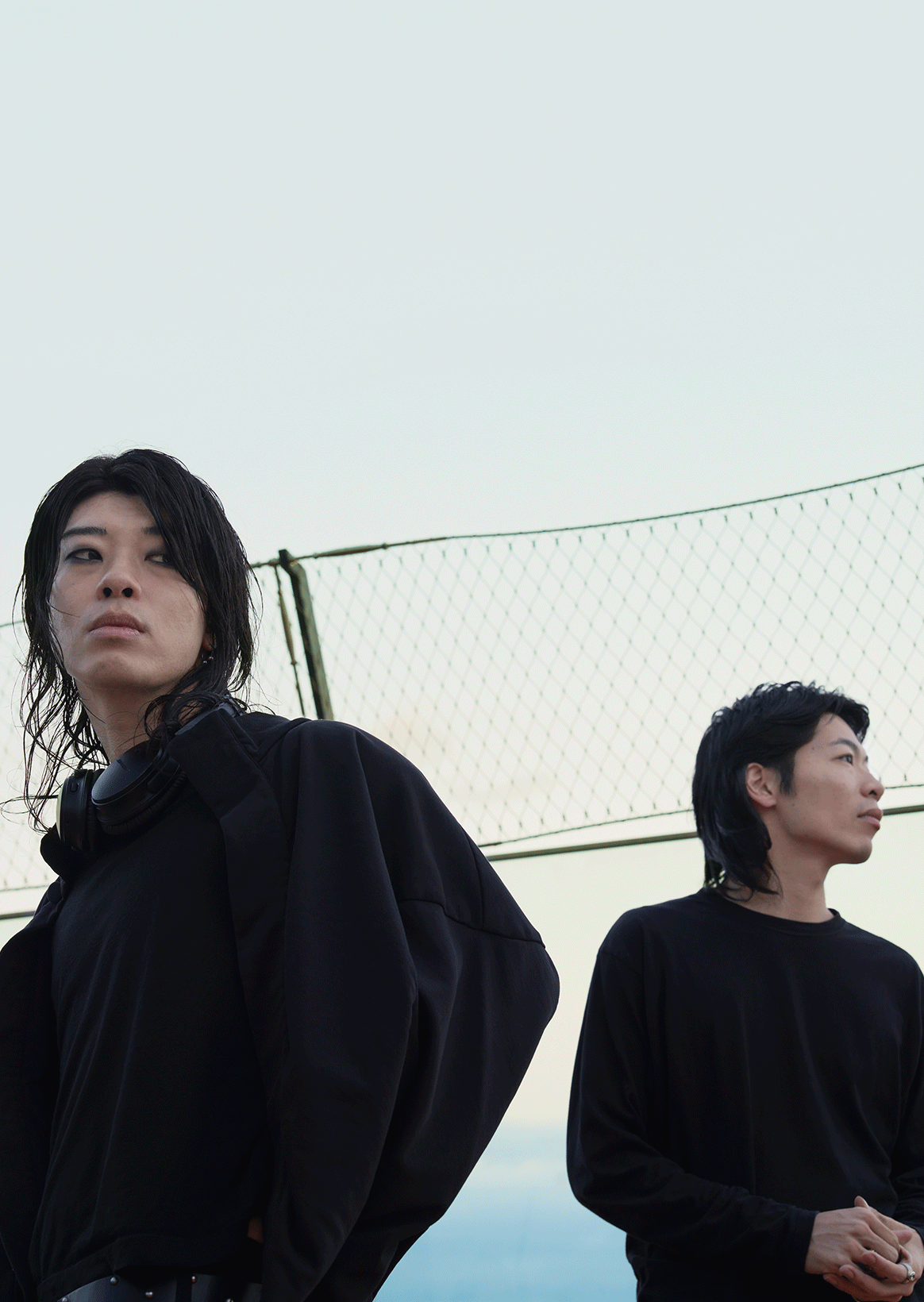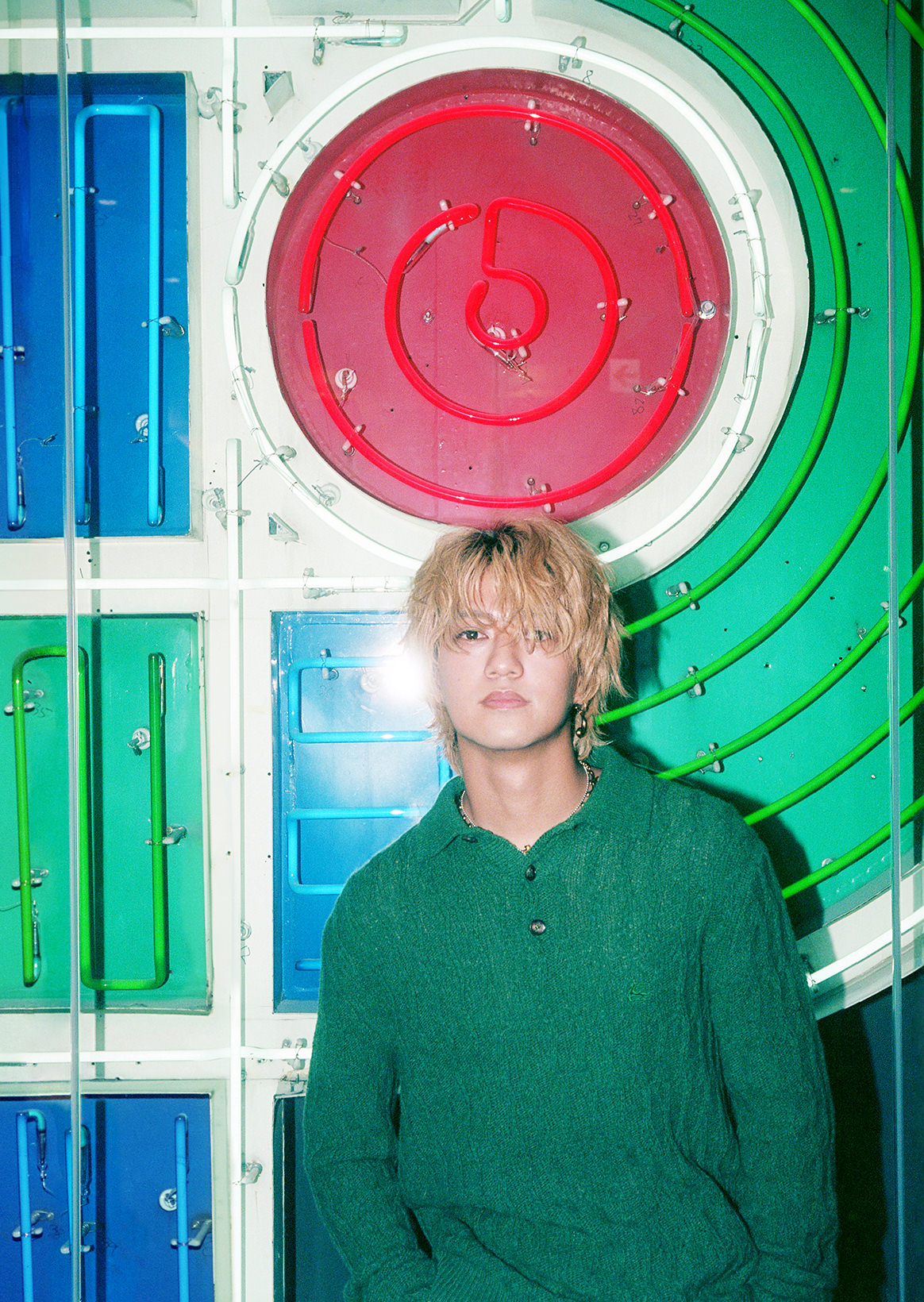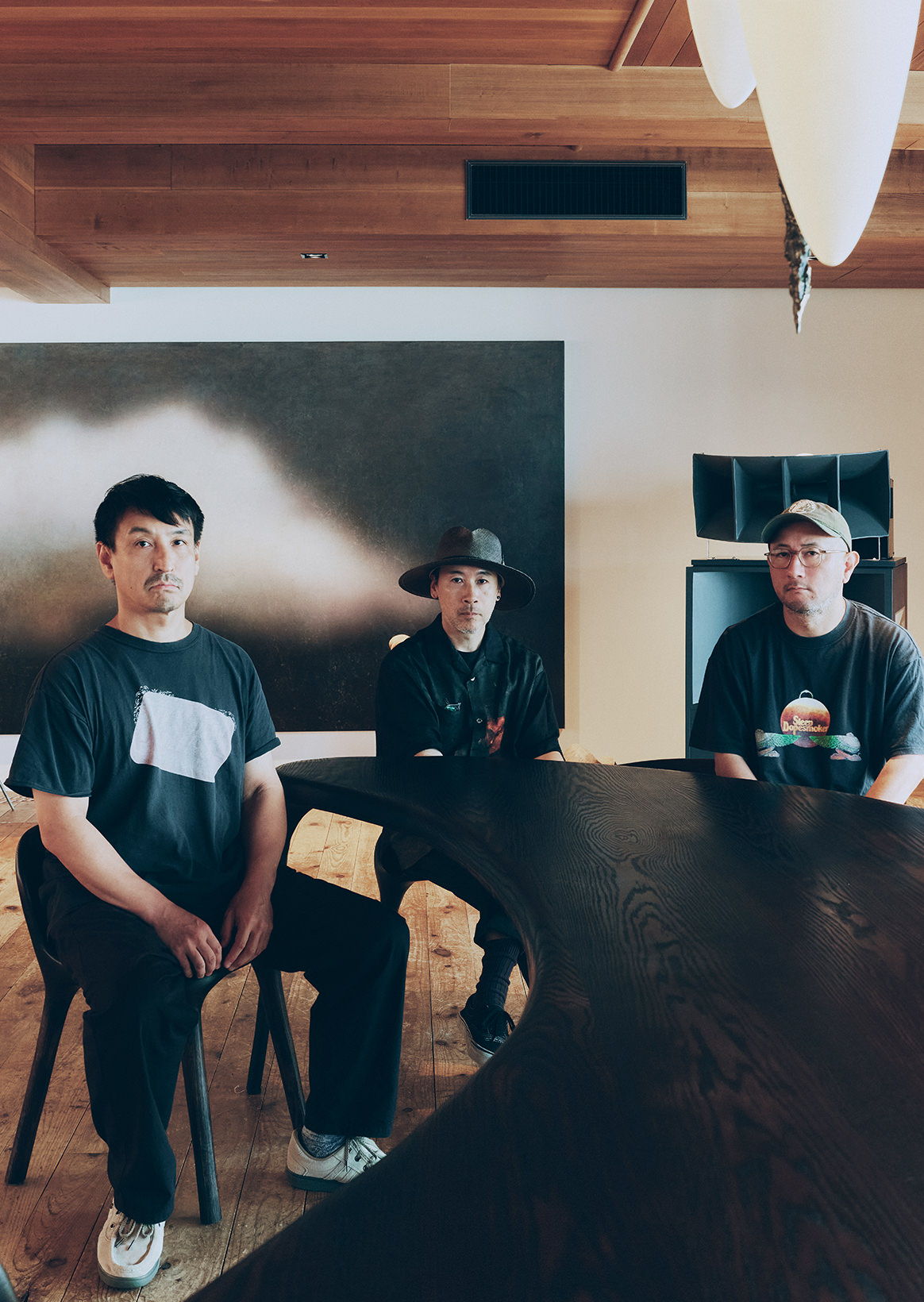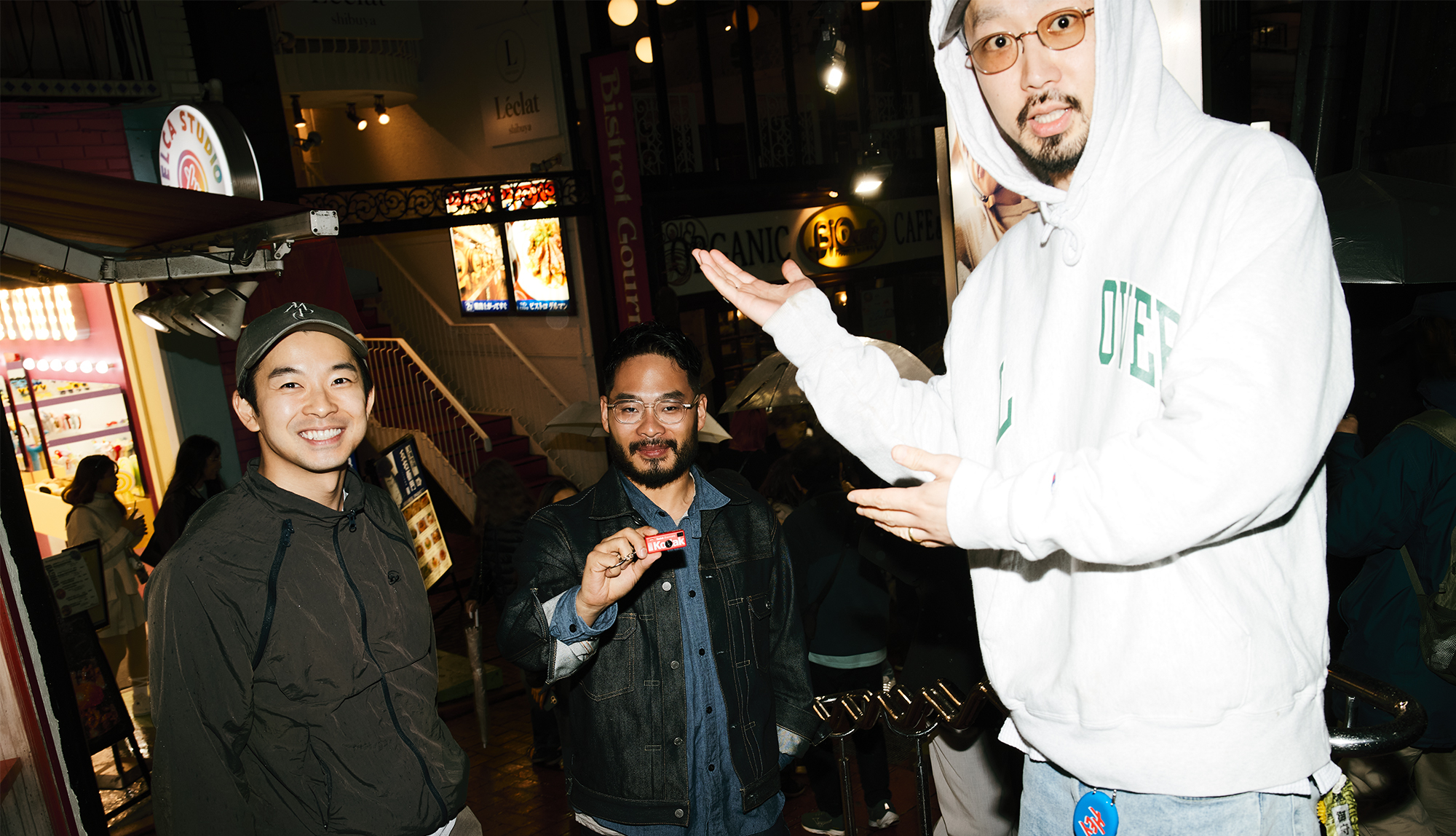
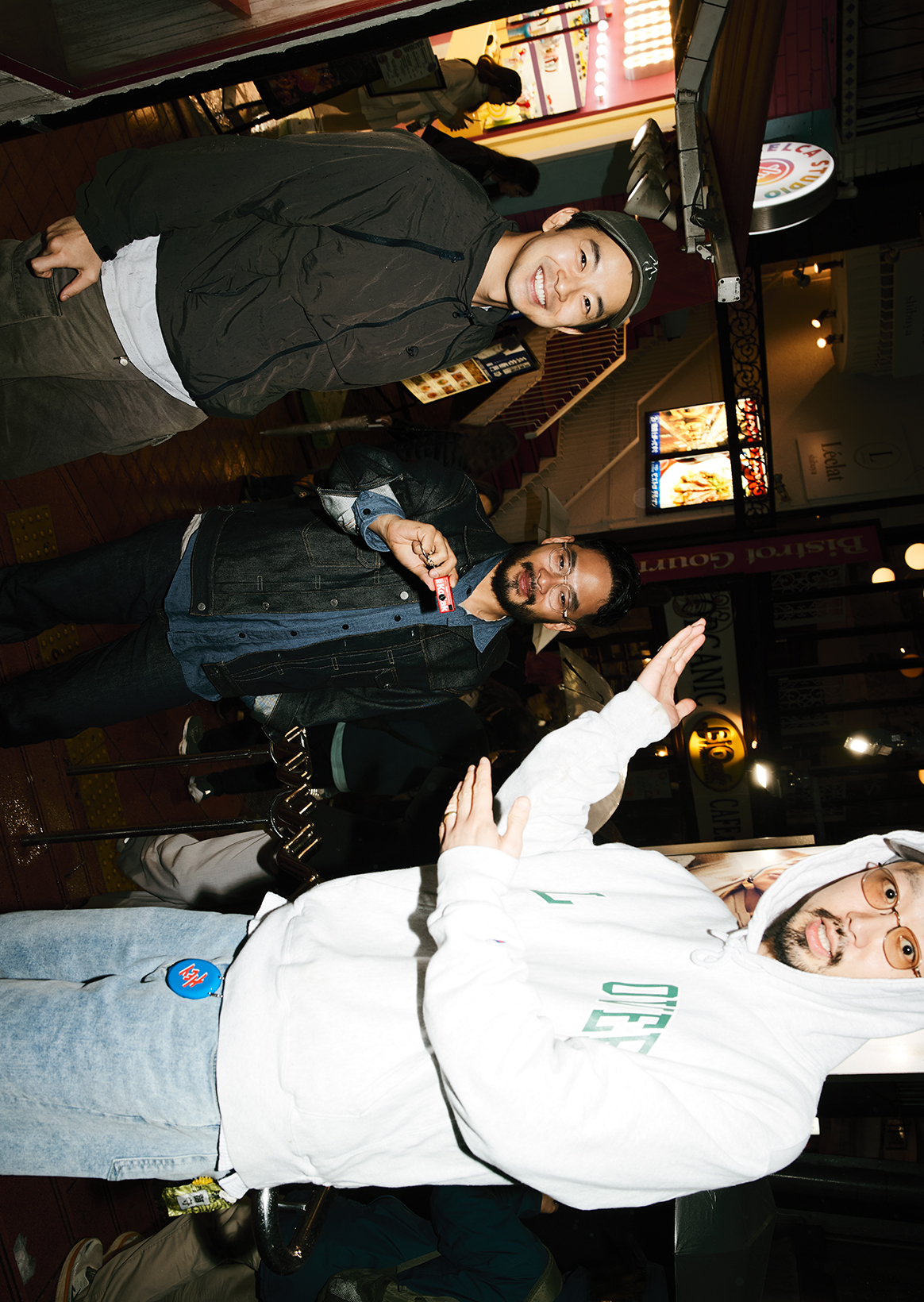
The journey of three people began in the Langtang Valley in Nepal, said to be the most beautiful valley in the world. The travel circle "MIDNIGHT PIZZA CLUB," formed by TV director Ryohei Kamide, photographer Yusuke Abe, and actor Taiga Nakano, has grown into a project that involves many people, expanding beyond a book as a record to include Audible and exhibitions.
Now, they are presenting "the end of their first journey" in the form of an exhibition and pop-up shop at Shibuya PARCO. Why do their journeys fascinate so many people? What does "travel" mean to them? We spoke to them about the trajectory and behind-the-scenes aspects of their project, and the thoughts they put into this exhibition.
- Photo
- Asami Minami
- Text
- Risako Hayashi
- Edit
- RCKT/Rocket Company*
── I heard that two events will be held: an exhibition at GALLERY X BY PARCO and a pop-up shop at DAIROKKAN. First, I'd like to ask about the origins of this event and your activities so far. I read the book released in 2024 ("MIDNIGHT PIZZA CLUB 1st BLAZE LANGTANG VALLEY"), and although it's a travel essay told from Mr. Kamide's first-person perspective, the three characters stand out, and I was surprised by the structure that feels like an entertainment novel. From the very beginning, when you decided to travel together in New York, did you anticipate developments like books, Audible, exhibitions, and pop-ups?
Ryohei Kamide (hereinafter, Kamide): Not everything was decided from the beginning. However, we had recorded the sound and everyone had taken photos, so we talked about turning it into something. All three of us love books, so we had a vague idea that "we should make it into a book."
Yusuke Abe (hereinafter, Abe): When we were walking through the valleys of Nepal and arrived at our accommodation, we had plenty of time. So we talked about all sorts of things, like "What kind of output would be good?" "Something like this would be good," "Something like that would be good."
Kamiide: In the end, we decided to create our own version of "The World's Guidebook," and this book is the result.
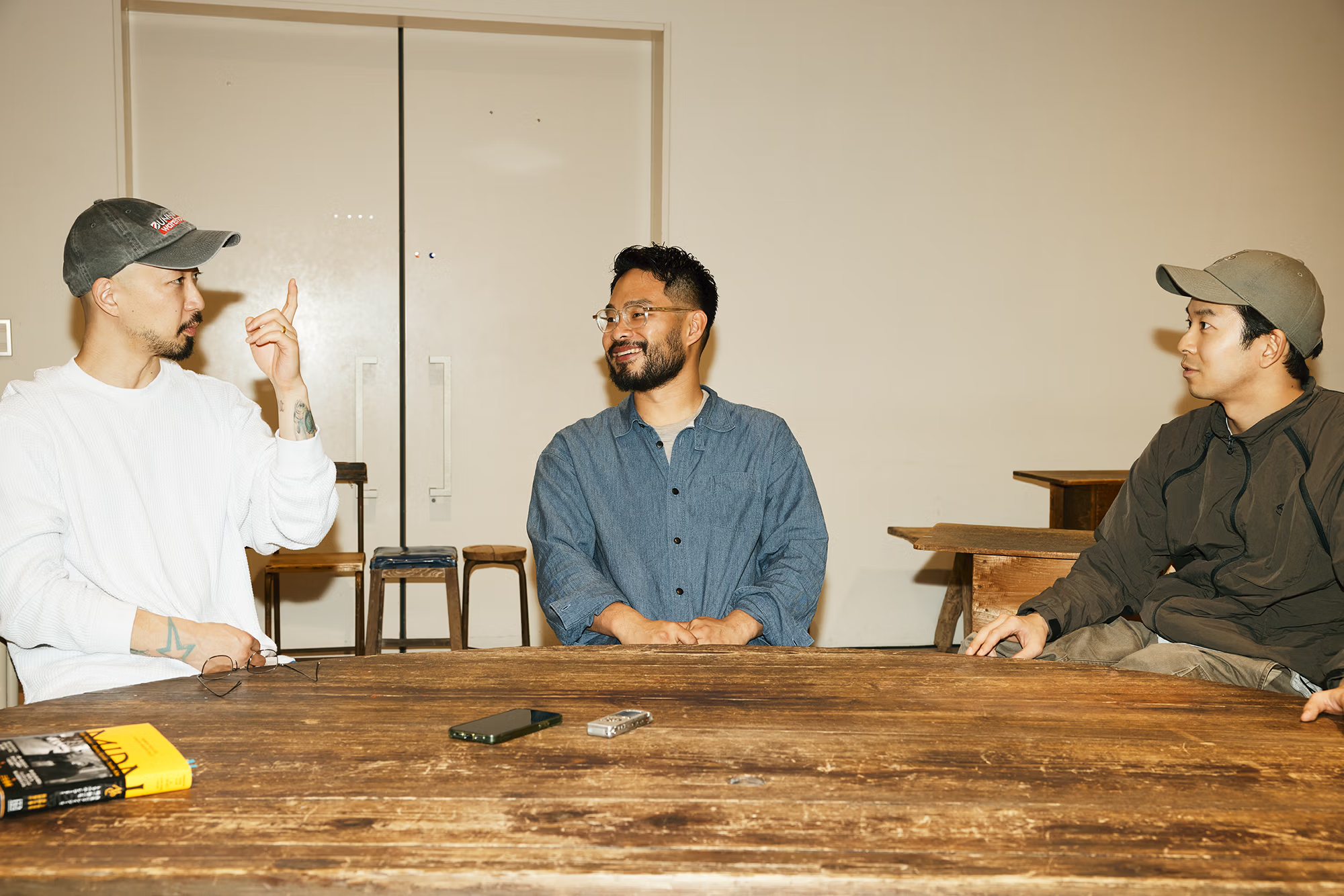
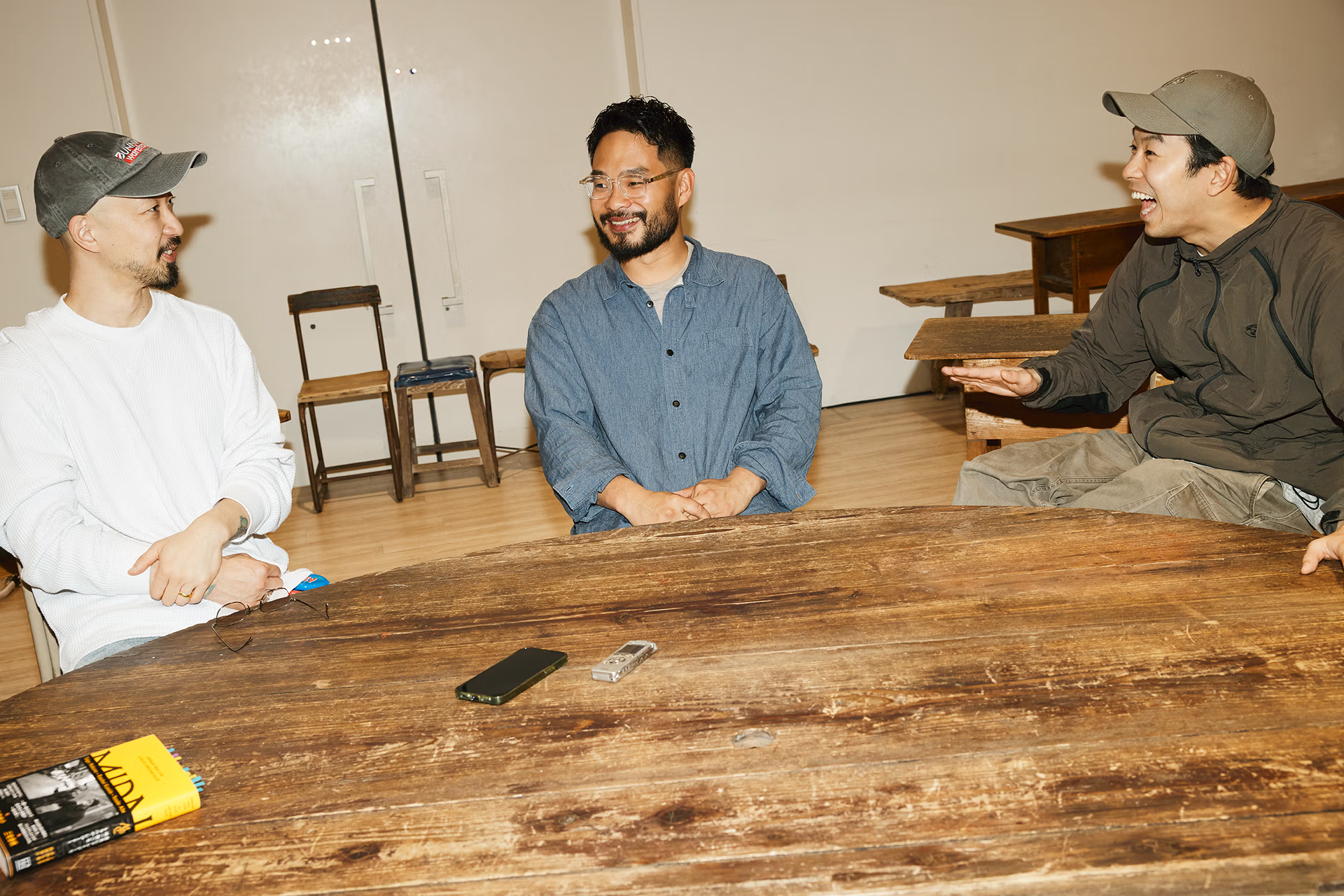
──Who first coined the keyword "How to Travel the World"?
Kamiide: That's me.
Taiga Nakano (hereinafter, Nakano): No, it was me.
Abe: That would be me.
Kamiide: Well, it was almost simultaneous. But I think it's okay to write "me" in the article (laughs). Putting that aside, we all belong to a generation that grew up reading "The World Traveler's Guide." The photos in it aren't pretentious at all, but for some reason they leave a strong impression. No matter what you say, it remains as a "good thing" as a formative travel experience. That's why I wanted this book to be something that anyone who even slightly thinks about wanting to travel would pick up.
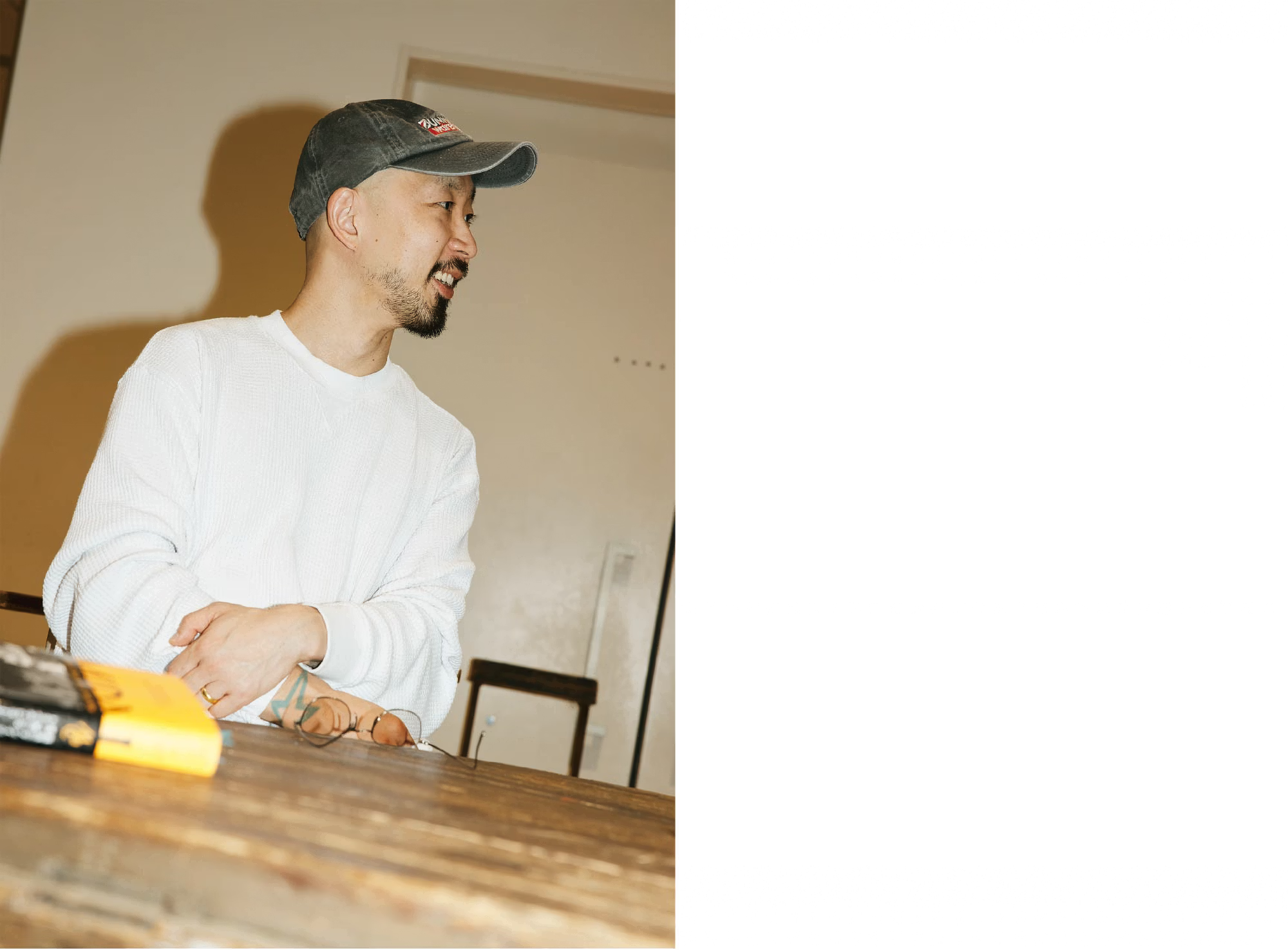
—Were there any divisions of roles among the three of you from the preparation stage?
Kamiide: Abe-chan handled all the preparations for the trip. Rather than dividing the tasks, it might be more accurate to say we "didn't divide them." From the schedule to the destination, it was all Abe-chan. Langtang Valley in Nepal is a place Abe-chan is familiar with, and it was an "Abe-presented" trip where he said, "I want to take the two of you there."
But it must have been incredibly tough. I, for one, came in from New York empty-handed. No mountain climbing gear, no shoes, no backpack. It was like, "Abe-chan, do you have my gear?" (laughs).
Abe: I packed two suitcases full of stuff and took it with me. I was complaining the whole time, though (laughs). But I was really in a hurry back then, so I don't remember much. I think I could do a better job now.
Kamiide: As for me and Taiga, we didn't even really know where we were going in the first place (laughs). We didn't look into it at all.
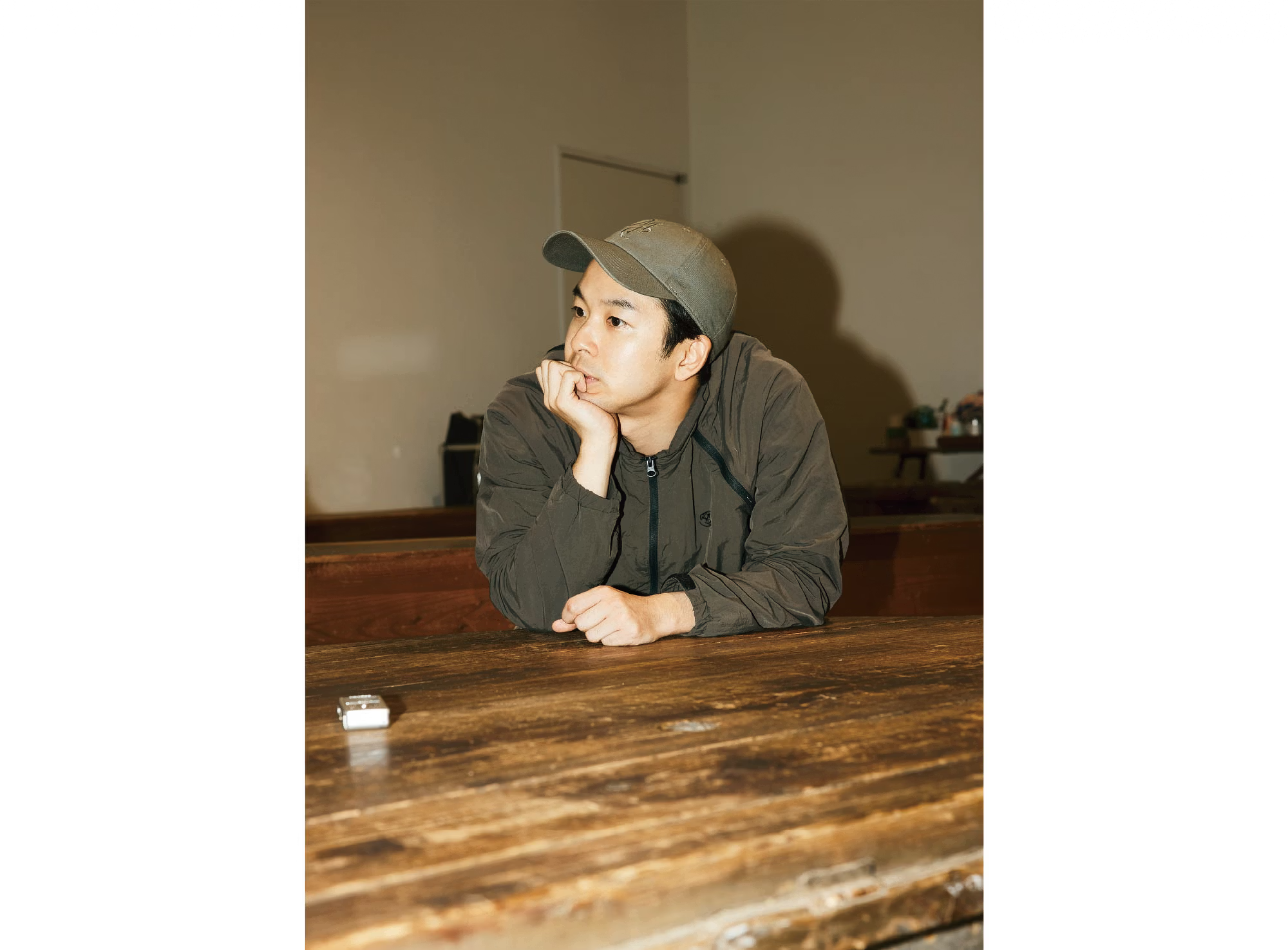
Nakano: I didn't research it at all. I kept calling the destination village, "Kyanjin Gompa," "Ganjang Gejang" (laughs). I couldn't even remember the name of the place until I got there.
—Weren't you worried?
Nakano: Since Abe-chan had been to that place many times, there were no reasons to be worried. However, we did do some high-altitude training to avoid altitude sickness. We were going up to nearly 4000 meters above sea level, so Abe-chan and I went to the training center twice. But this project started in 2023, so it was quite a while ago and I don't remember much...
—I hear the book has already gone through many reprints. That's an incredible response. You each utilized your strengths in writing, photography, and performing, but are there any insights you gained specifically because of the three of you working together?
Abe: What was clear to me was a change in my values regarding "travel and photography." I had been doing it since my student days, so I was confident that my style wouldn't change. But the "beer incident" on that trip was a big factor.
Kamiide: The beer incident, right?
Abe: My rule was that travel should be "cheap and done with restraint." But Taiga said, "Let's make it as fun as possible." That's when my values were completely shattered (laughs). After that, the way I travel really changed. If I want to drink alcohol, I don't force myself to hold back, I just enjoy it. My way of taking photos was also greatly influenced by him.
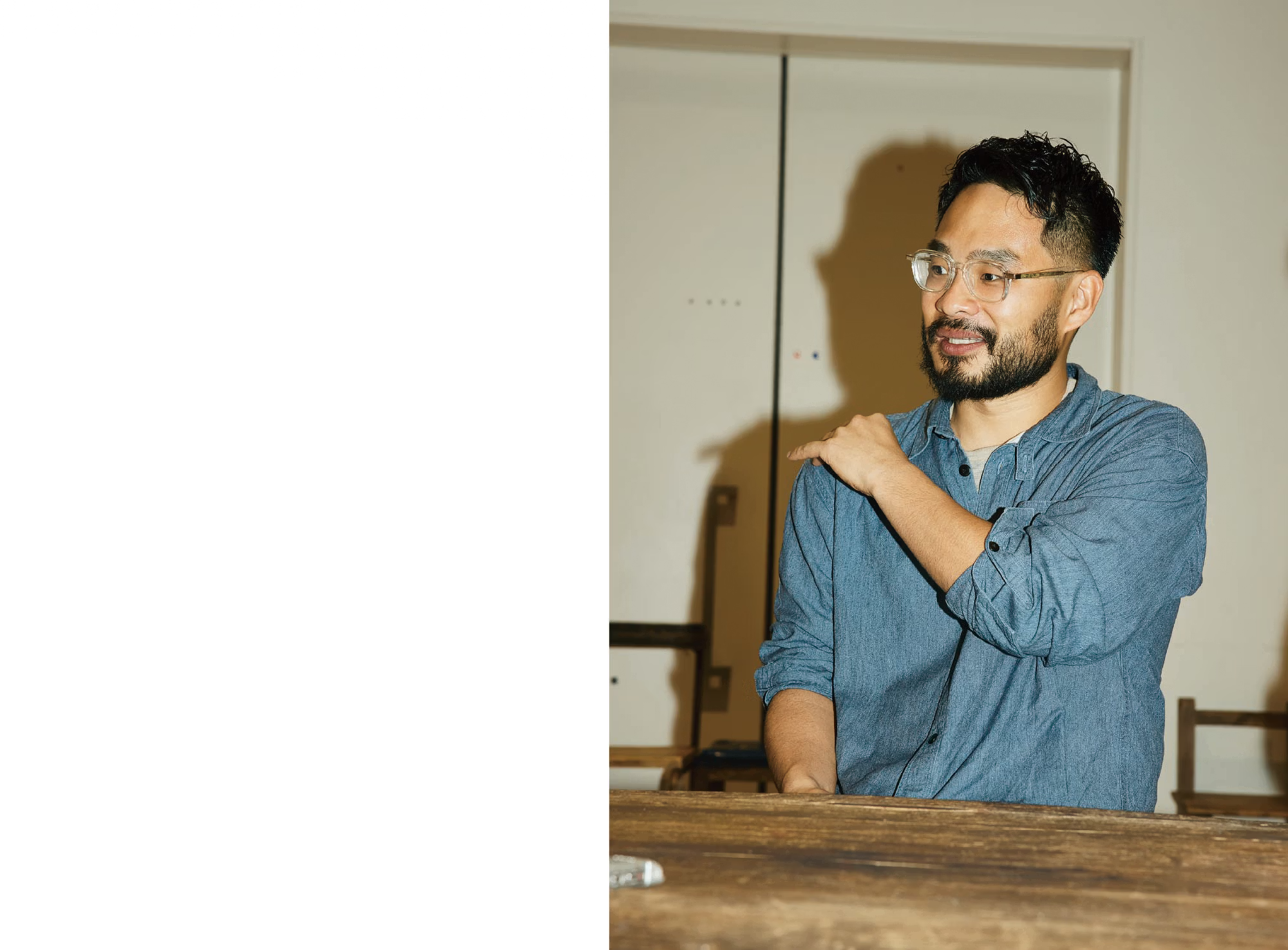
Kamiide: All three of us have done a fair amount of travel, and we've each established our own style. It was interesting to see the three of us get together and travel together.
Abe-chan is surprisingly sensitive; he doesn't want anything bad to happen, and he doesn't want to get sick. So, once he decides that "this dish suits me in this region," he'll keep eating it. On the other hand, I want to experience as many new things as possible, so I want to eat something different every day. Taiga-kun is a total foodie, and food must always be delicious. It was really interesting to see how different our ways of enjoying things and our priorities were.
Nakano: I'd never really thought about it before, but I had a surprising realization. "I can sleep anywhere."
Kamiide: No, that's really true. Abe-chan and I are very sensitive to our sleeping environment, and if the environment is even slightly bad, we can't sleep. Yet Taiga-kun falls asleep in an instant. And yet, he tries to get a room to himself. As a person... well, I don't really want to say it too clearly, but I can see that kind of thing (laughs).
Abe: Mr. Kamiide and I are more of the behind-the-scenes type. So, if we were to sleep in the same tent, we'd be too considerate of each other and end up not being able to do anything.
Kamiide: That's right. When I'm with Abe-chan, I start thinking things like, "What if I snore?" or "Will it be loud if I toss and turn in my sleep?" But when I'm with Taiga-kun, he falls asleep and starts snoring right away, so I can relax knowing that he won't notice even if I move around a bit.
Nakano: The two of them always tell me, "You can sleep anywhere, so you're suited to traveling" (laughs). From my perspective, they have incredible knowledge and skills about mountains, so I was always learning a lot from them.
From a technical standpoint, their opinions were completely opposite, which was interesting. For example, "When walking along a cliffside path, should you place your walking stick on the valley side or the mountain side?"
Kamiide: We belong to different schools of thought.
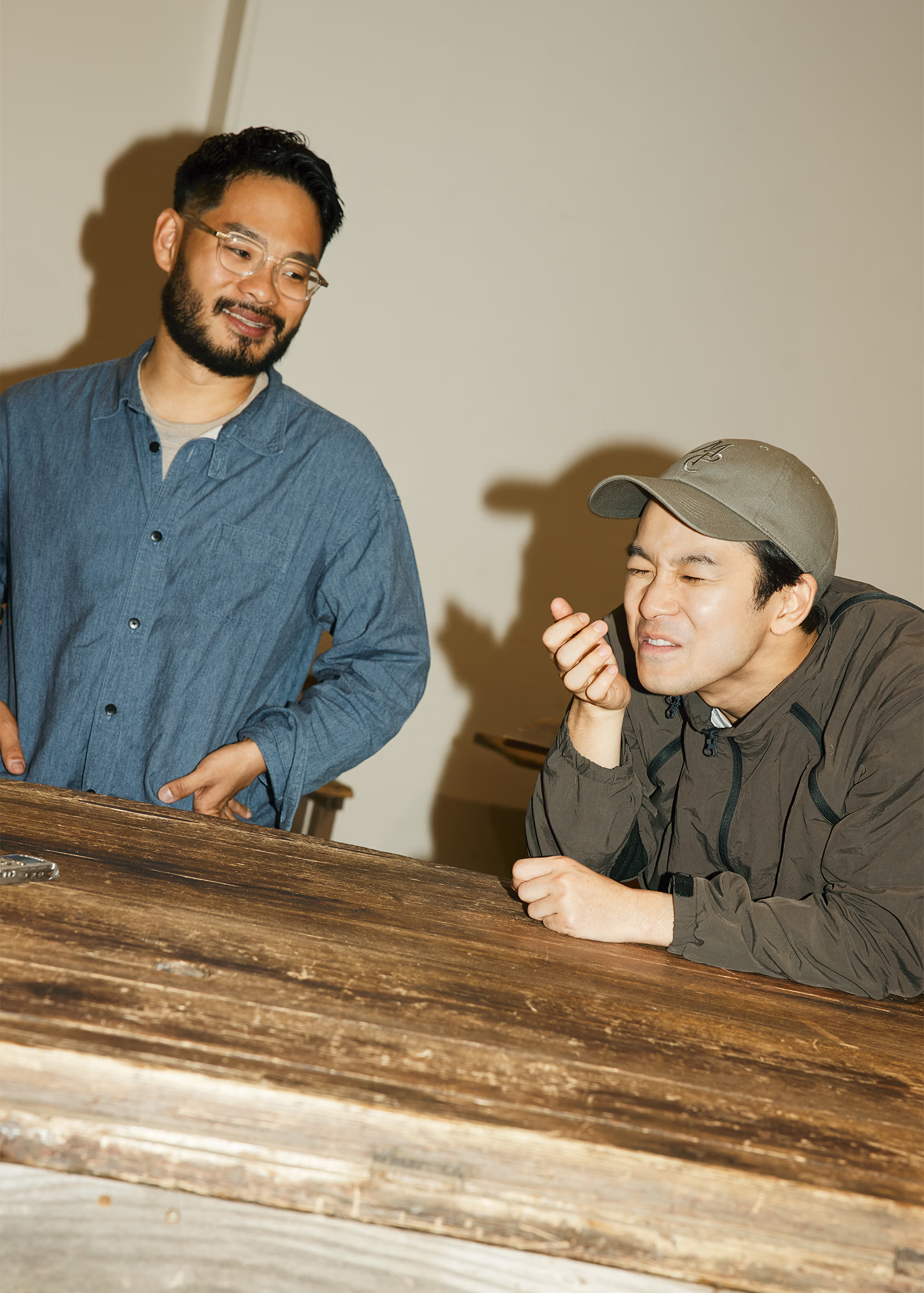
Nakano: Abe-chan says "the valley side." He says, "There are a lot of rocks on the mountain side, so if you hit there, the rebound will send you falling into the valley." That makes sense, doesn't it? But when I asked Kamiide-san, he said "the mountain side." He says, "The ground on the valley side is brittle, so if you break through it, you'll just fall straight down."
—Both are valid points.
Nakano: So I was doing it alternately (laughs). As for what to wear to sleep, Kamiide-san would say, "When it's cold, wear warm clothes and get into your sleeping bag," while Abe-chan would say, "Get in wearing light clothing, almost naked. That way your body heat will circulate inside the sleeping bag, and when you wake up in the morning, put on clothes and you'll be even warmer."
Abe: If you do exactly as Mr. Kamiide says, you might actually end up with hypothermia.
Kamiide: Well, actually, there are indeed schools of thought that advocate for nudity, but it depends on the circumstances. I'll stop here because this would take too long to explain.
Nakano: In the end, I came to the very obvious conclusion that I wear clothes when it's cold and take them off when it's hot (laughs).
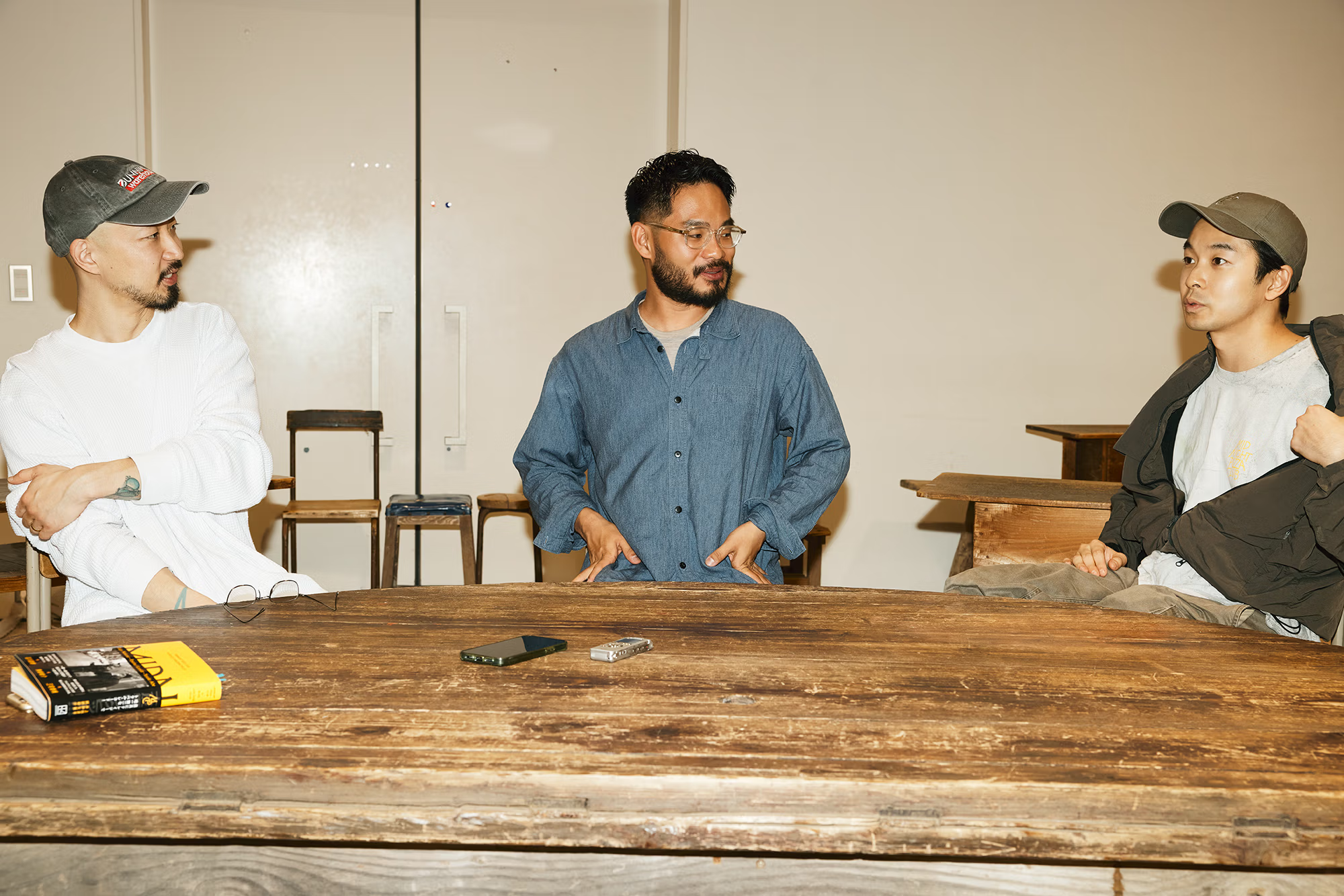 "I regularly use MPC merchandise," said Taiga. He was wearing a cap and T-shirt that day as well.
— Spending time with other people helps you become aware of your own habits, doesn't it? I'd also like to ask about your output, such as photographs and writing. As a professional photographer, what were your impressions of Taiga's photographs?
When I saw what Taiga Abe was taking, I thought, "Ah, if he's taking pictures like this, I don't need to take any." So there were no arguments at all. I'm a professional photographer, but there are pictures that only Taiga can take.
I was shocked when I recently looked back at the finished product. I've been to Nepal many times, so I don't usually photograph things like telephone poles, monks, or pigeons, but Taiga captured those ordinary things from his perspective. I was really inspired by that. I thought, "There's this side to it too." It's like being able to enjoy the trip twice.
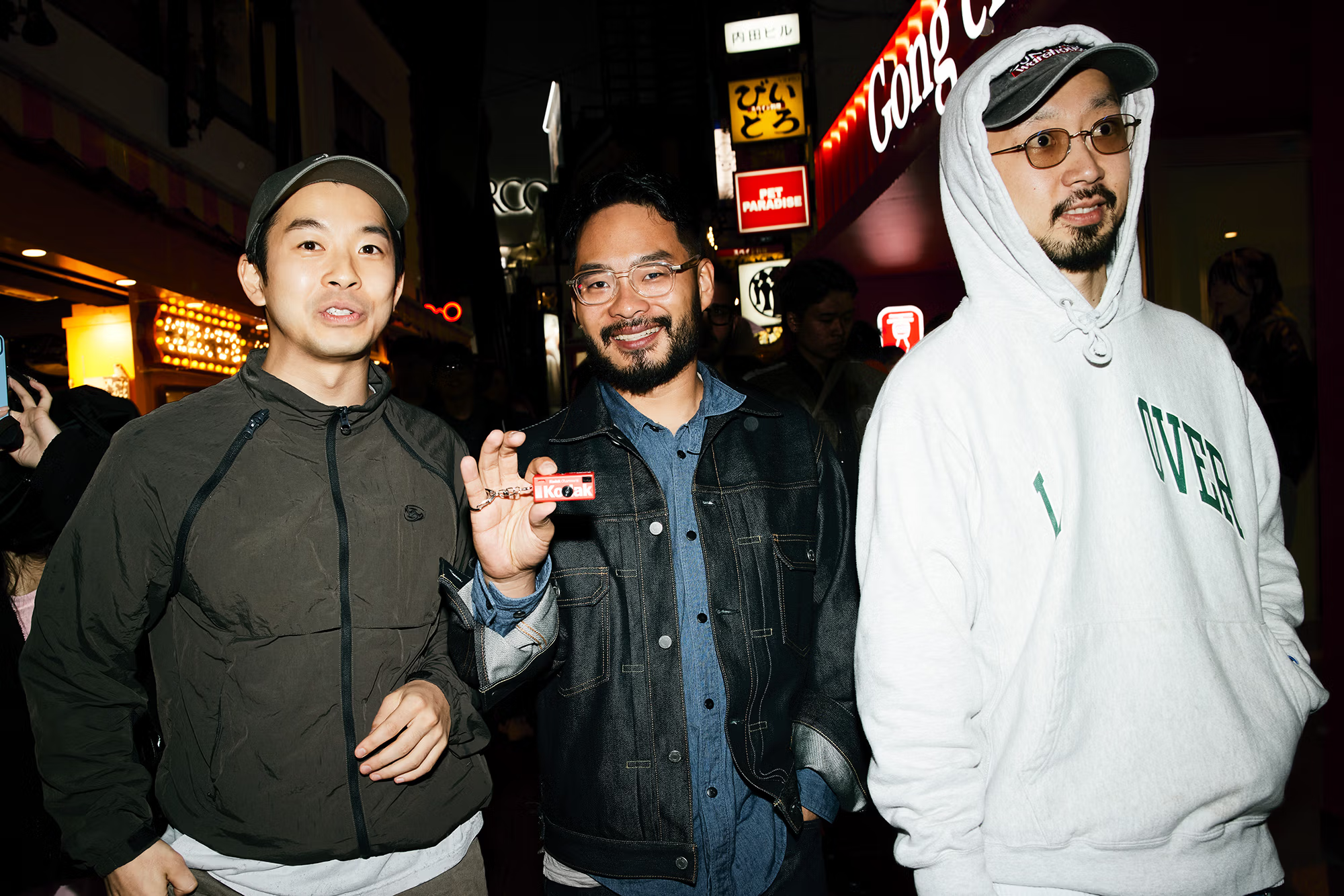
── Mr. Abe, you're taking inspiration from Taiga's perspective, which isn't that of a professional photographer.
Abe: That's right. Professionals inevitably know the "shots that must be included in order to create a book." But sometimes a free perspective is overwhelmingly more interesting. And that changed the way I take photos for work. I started "only taking pictures of what I want to take."
-- Mr. Kamiide, have there been any changes in your work as a result of your travels?
Kamiide: As for the writing, I was given a lot of freedom this time around. It's rare to find a relationship where you can depict real people (Abe and Taiga) and feel like you can get away with lying. Lately, travel books seem to swing to either a light essay or a hardcore record, or to one extreme. There haven't been many travelogues like "Midnight Express" that are mixed with jokes.
I felt that these three people could bring my favorite genre to life. Actually putting it out there and seeing so many people enjoy it gave me a sense of reassurance that "this is okay."
Also, I've decided that I will never relinquish the rights to writing and editing. Because if I don't control the final output myself, I don't know what might happen.
Nakano: It's quite nerve-wracking. It's completely private time, so there's no filter. Even though Mr. Kamiide's voice recorder is running the whole time, after spending 10 days together, you stop being conscious of it and end up saying all sorts of unnecessary things.
But ever since the book came out, Abe-chan and I have become a little less talkative, haven't we? (laughs)
Abe: It's decreased (laughs). The moment I try to say something, I stop myself thinking, "Oh, this is going to be written about." If I say my catchphrase "actually," Kamiide-san will tease me again, so I practice different ways of saying things, both in Japanese and English.
Kamiide: So you've cast a curse of that magnitude. Well, I think that's part of what makes you human, and that's good. As always, you're saying all sorts of things you shouldn't be saying.

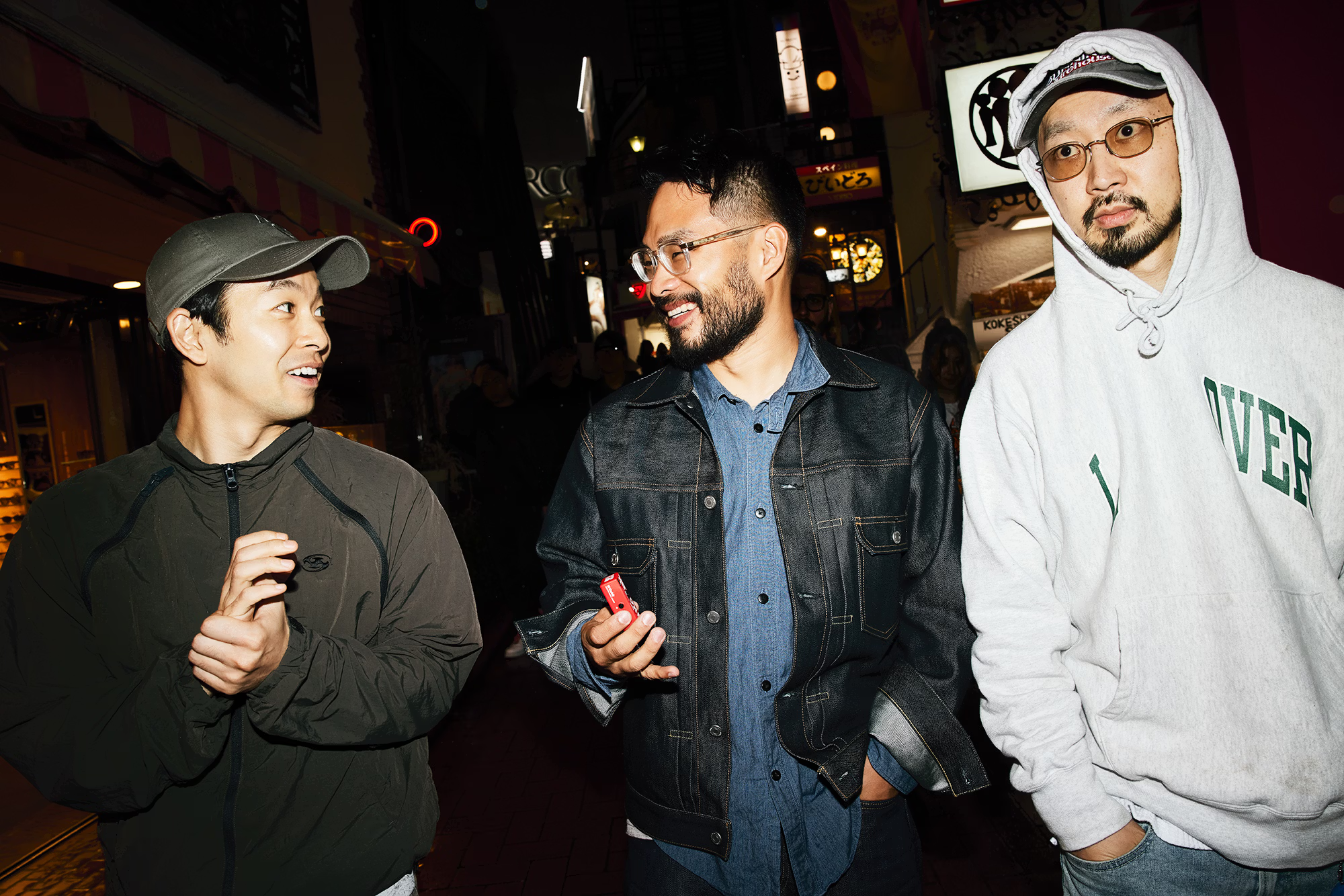
-- I'd also like to ask about your exhibition at Shibuya PARCO. How did the exhibition at GALLERY X and the pop-up in collaboration with magma come about?
Abe: Originally, there was talk of issuing membership cards. The idea was to have passport photos plastered all over a mountain guesthouse.
Uede: I was the one who started saying, "Let's make something like a license card." It all started when I exhibited at a gallery called GASBON METABOLISM in Yamanashi and was connected with someone from PARCO.
Nakano: We wanted to do a different kind of exhibition than usual. With GASBON, the title was "PIZZABON," and the theme was that MPC is about showing each of the three of us our own perspectives, but we thought we'd like to do something different this time. We've toured photo exhibitions in Tokyo, Kyoto, and Fukuoka, but if we're doing it at PARCO, nobody will be satisfied if we do the same thing as before.
Kamiide: As this is the project for my first book, I decided to make this the finale. So I thought it would be fun to give MPC "membership cards" to the people who have enjoyed it so far. That's how the GALLERY X project came about.
And at DAIROKKAN, we'll be running a souvenir shop. We love going to souvenir shops at the end of our trips. So, we wanted to create a place where our readers, who have accompanied us on this 'MIDNIGHT PIZZA CLUB' journey, can stop by at the end.
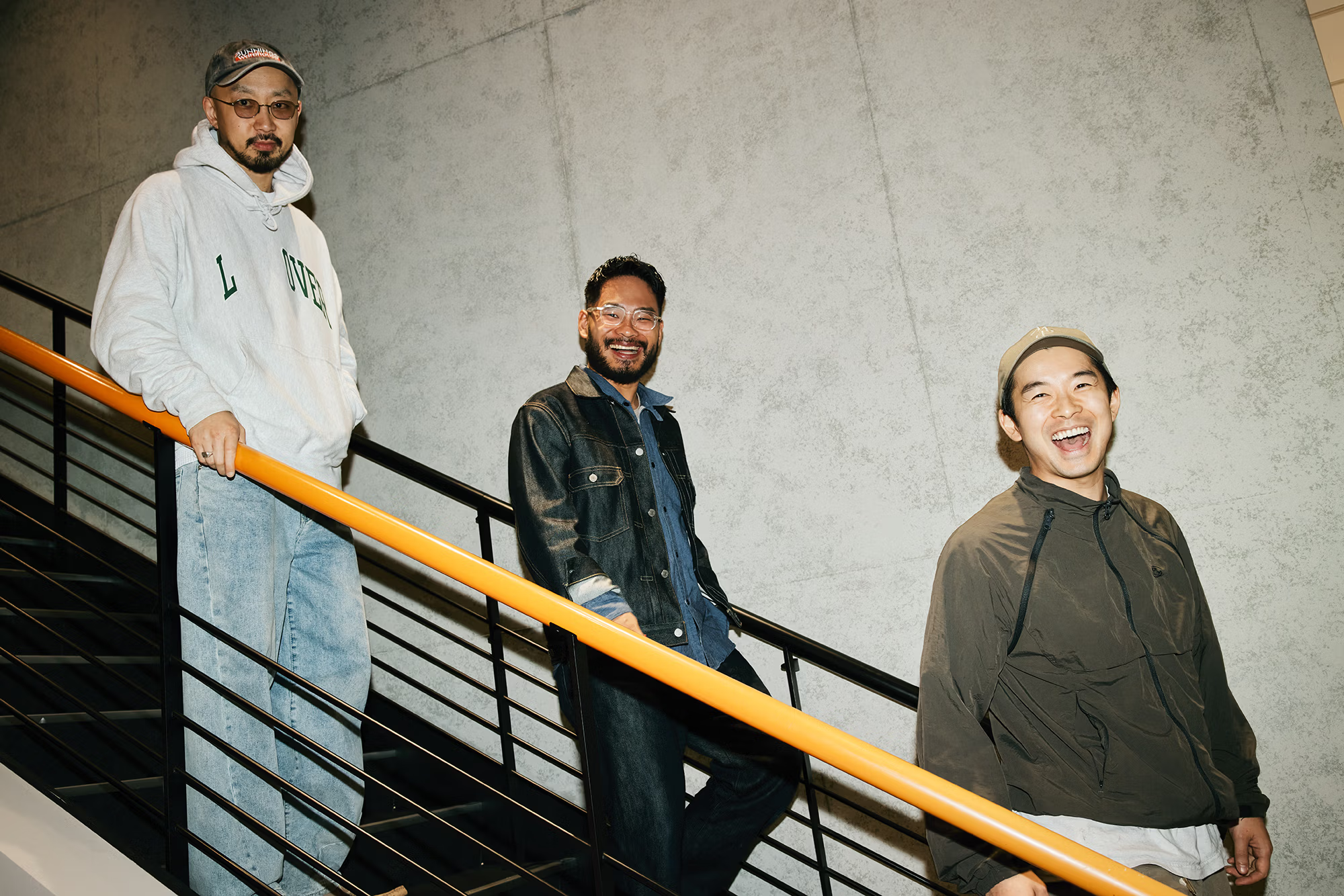
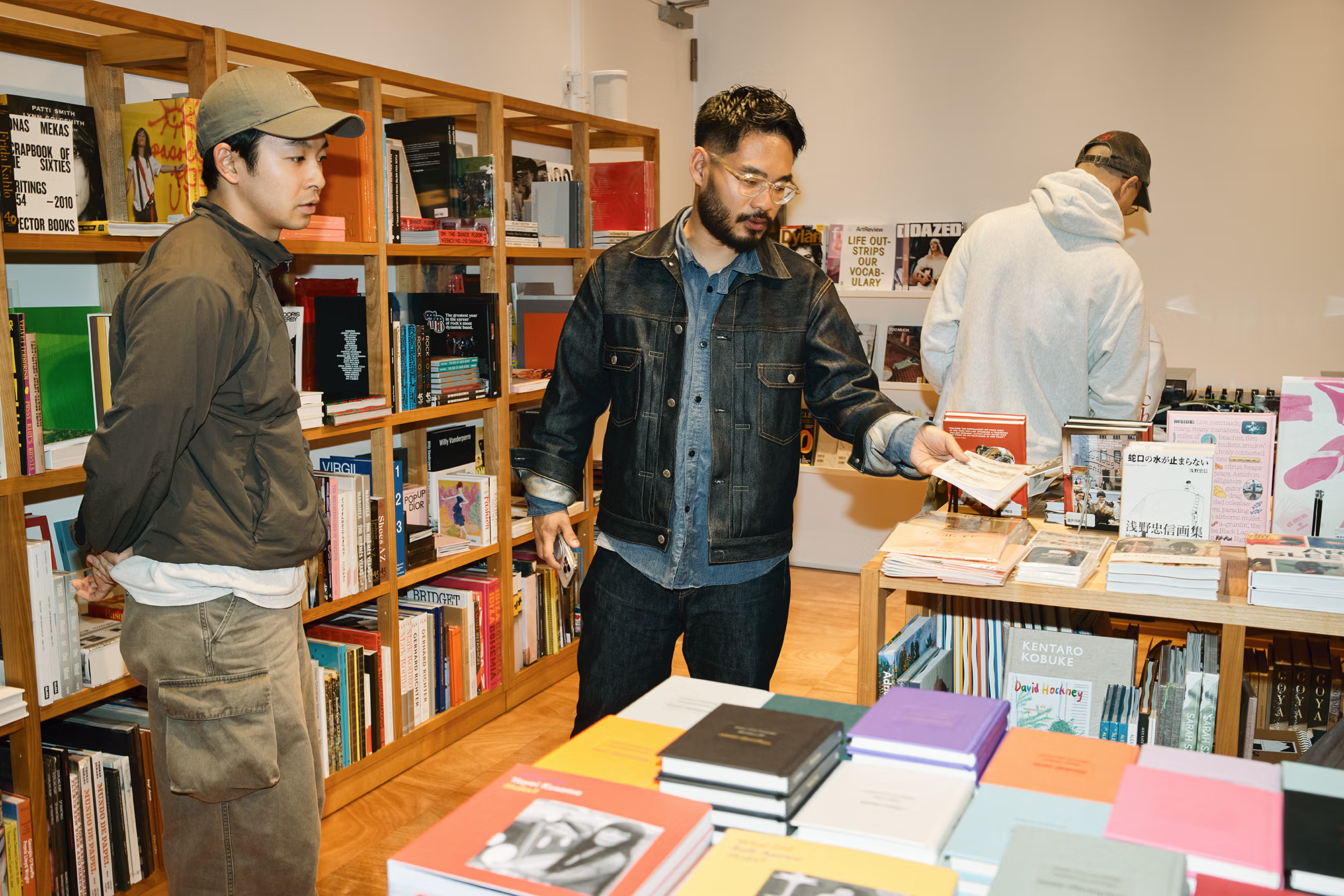
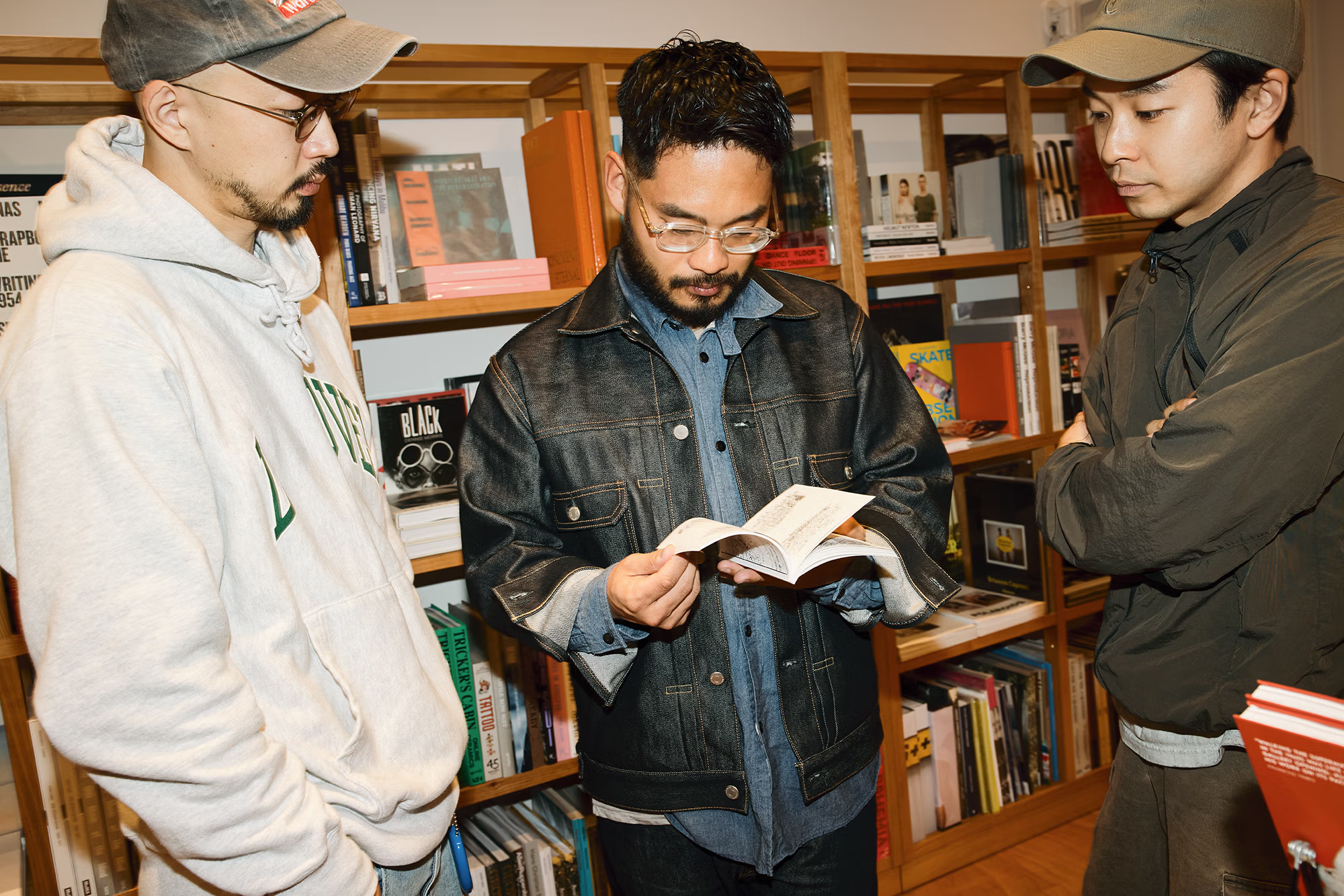 "This kind of thing is nice too," says Mr. Abe. At the combined book and art space "NONLECTURE books/arts," which opened on the B1F of Shibuya PARCO ZEROGATE in March this year, he was collecting various art books and collecting ideas.
-- I'm also looking forward to collaborating with magma.
Kamiide: This is my ego speaking. I'm a huge fan of magma. When I saw that they had made pizza keychains before, I took it as a hint and reached out to them.
Nakano: They've collaborated with us on a full scale, creating objects, keychains, T-shirts, and more. We've also asked magma to design the venue, so it will be a completely different three-dimensional space from our previous "exhibitions where you quietly look at photographs."
Abe: To be honest, I was getting a bit tired of exhibitions that just lined up photographs (laughs). I wanted someone like magma, who doesn't treat photographs respectfully as just photographs, to break them down.
Kamiide: There are moments when we don't want to be treated with care.
Abe: I've grown to love Mr. Kamiide's sense of trying to make people laugh, and I think that's why I didn't want to show the photos as they were.
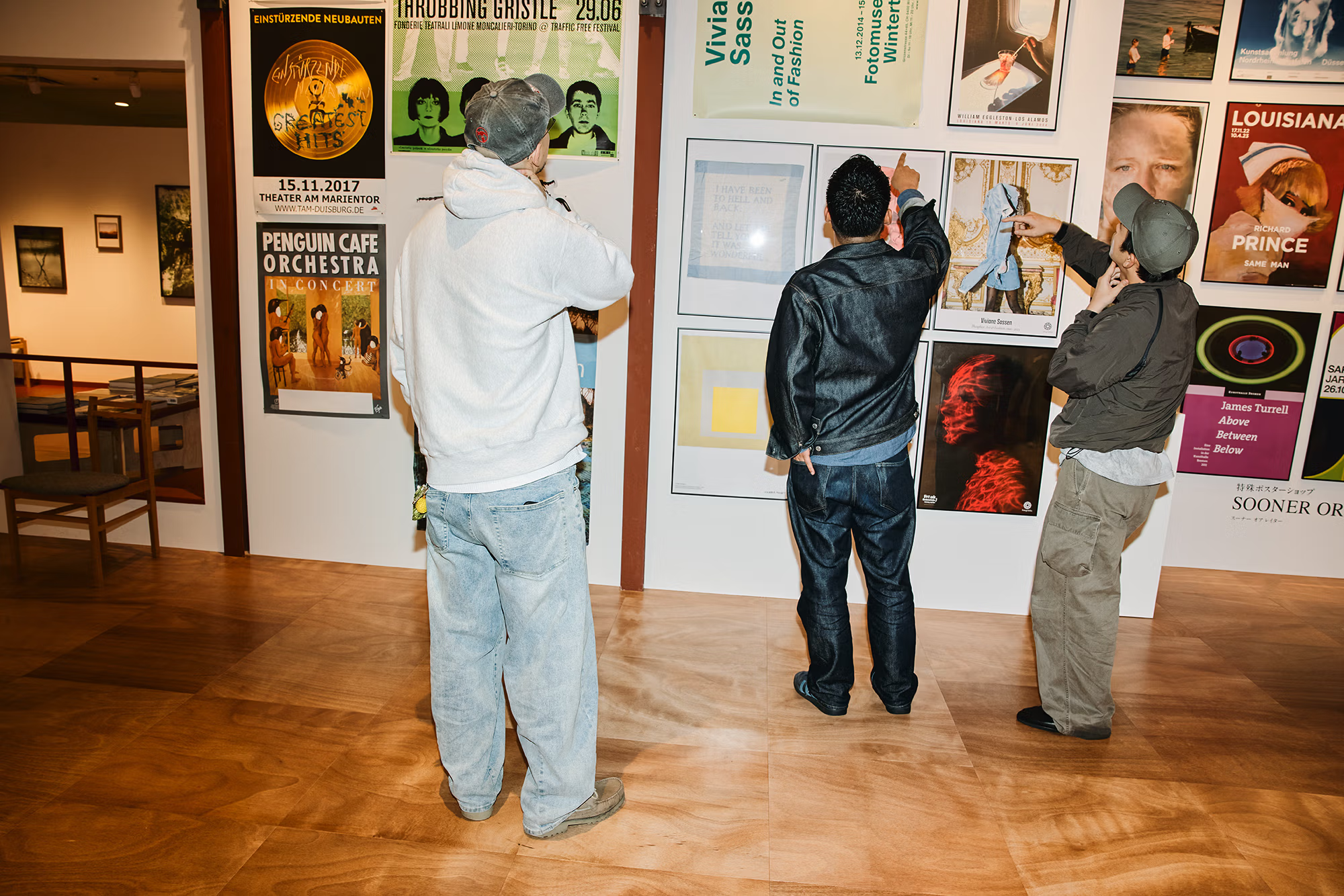 In the main space of "NONLECTURE books/arts," a pop-up for the special poster shop "SOONER OR LATER Imported Culture Posters" is running until Sunday, May 10.
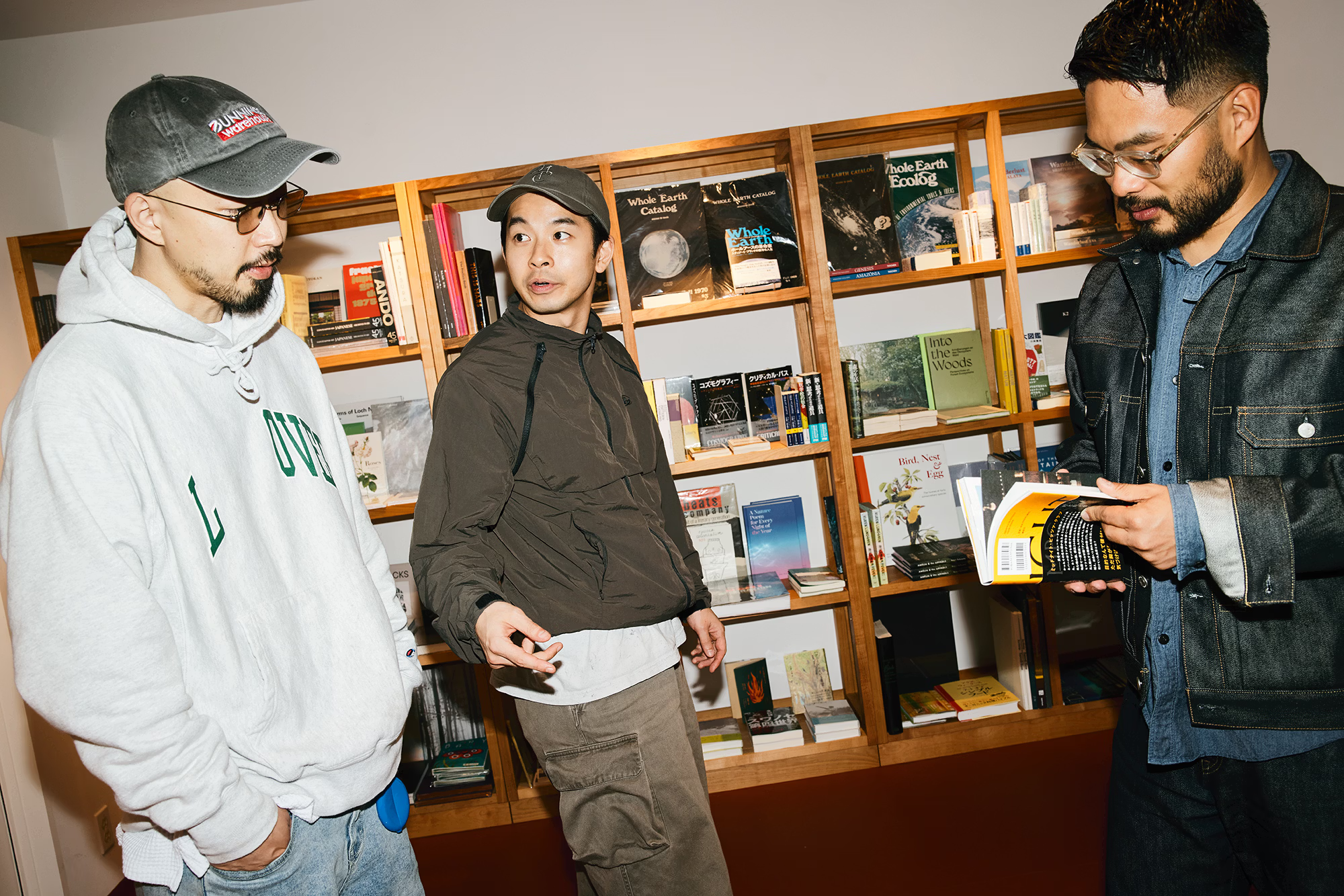
 At the back of the main space is the "Goldwin Room," with its eye-catching burgundy floor. In keeping with the philosophy of the outdoor sports apparel brand Goldwin, the room features a selection of photobooks, essays, and practical guides that traverse nature, materials, the body, and thought, as well as an exhibition by photographer Tetsuo Kashiwada. "MIDNIGHT PIZZA CLUB 1st BLAZE LANGTANG VALLEY" is also on display.
── Do you have any expectations about holding an exhibition in Shibuya PARCO, a place that is considered a hub for culture?
Nakano: I'd be happy if this gives people who don't usually know us a chance to see us. I think it's something to be proud of that we can develop such a silly, yet seriously made, project right in the heart of Shibuya.
-- Finally, do you have a message for those who will become members in the future, and for our readers?
Abe: I hope this project will inspire someone to go on another trip. It's also fun to see people who come to the exhibition become friends with each other.
Kamiide: I'm so happy that so many people have read this book and actually traveled the same route. Traveling is truly wonderful. I want more people to experience it. I even believe that travel can save the world.
If everyone traveled, there would be no more wars. Learning about different kinds of people in unfamiliar worlds—that's the most wonderful thing.
Nakano: Through this activity, I learned the joy of doing "work other than acting." A trip with friends takes shape and can be seen by someone. I feel like this activity itself is a "journey" in my life. I think there are many different forms of travel, so if this book and exhibition can become theきっかけ (trigger/starting point) for someone's new journey, nothing would make me happier.
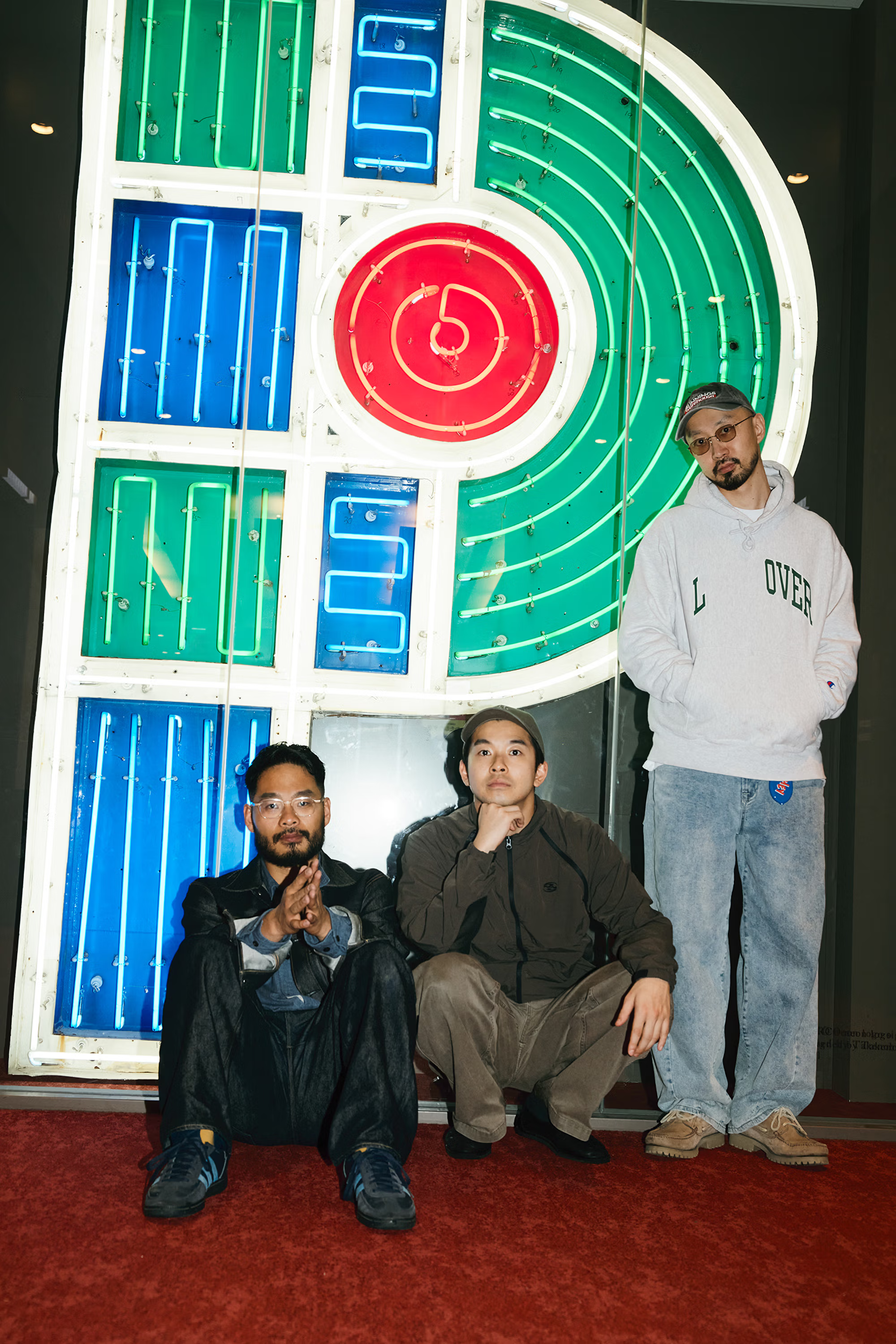
Information
MIDNIGHT PARCO / PIZZA CLUB
Venue
First Edition Membership Card Issuing Location: GALLERY X BY PARCO (Shibuya PARCO B1F)
2nd Edition MPC Antenna Shop: DAIROKKAN (Shibuya PARCO 1F)
Event Period
First Round MPC Membership Card Issuing Offices: April 24 (Fri) – May 6 (Wed), 2026
2nd Edition MPC Antenna Shop: May 27 (Wed) – June 7 (Sun), 2026
Organizer
PARCO
Planning & Production
MIDNIGHT PIZZA CLUB、PARCO
Official website
https://art.parco.jp/galleryx/detail/?id=1912
Official SNS
Instagram(@parcogx) X(@parco_x)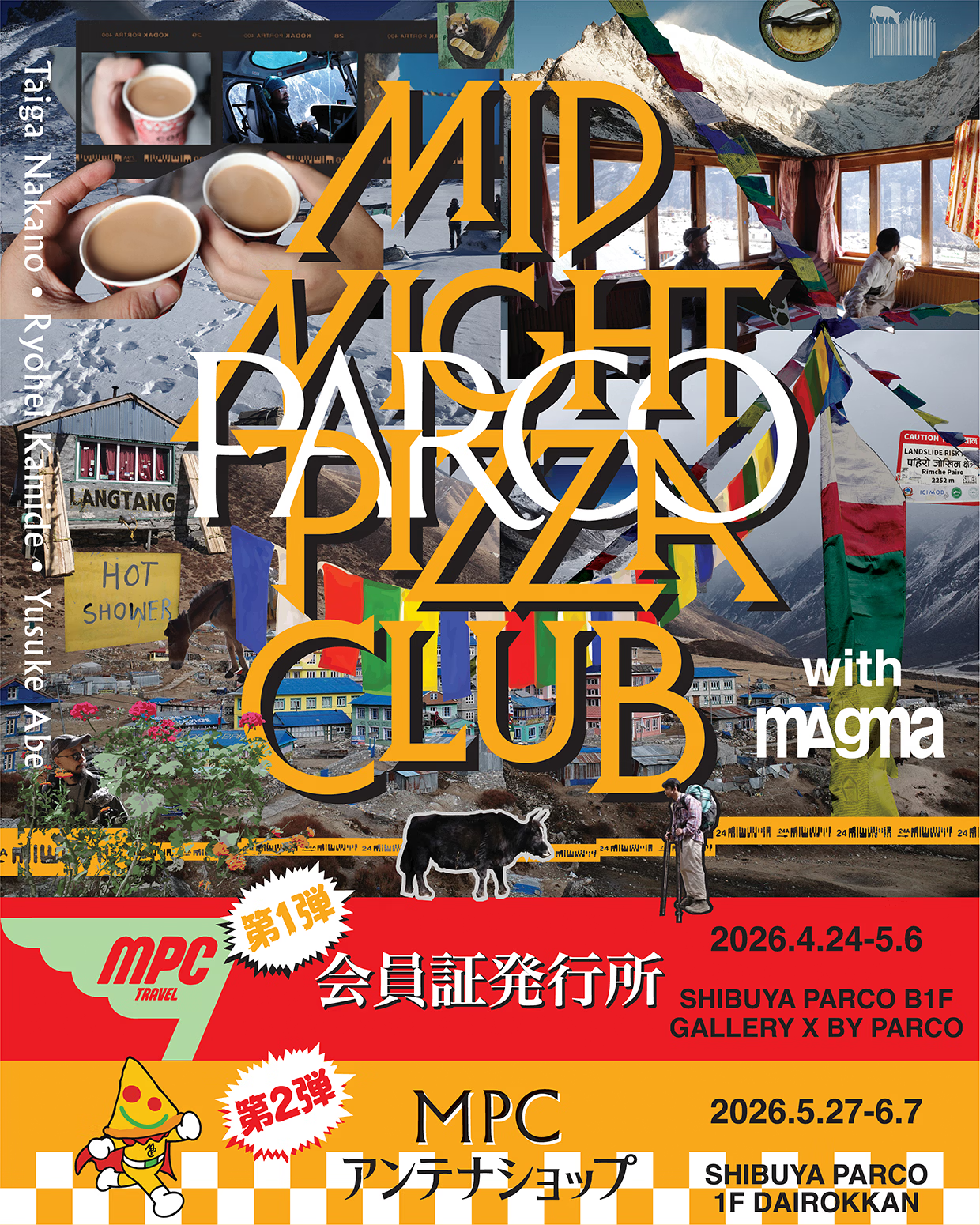
Special Thanks
Shop Name: NONLECTURE books/arts
Floor: ZEROGATE B1F
Official HP:https://nonlecture.jp/
Official Instagram:https://www.instagram.com/nonlecture_books_arts/

MIDNIGHT PIZZA CLUB
A travel club formed by TV director Ryohei Kamide, photographer Yusuke Abe, and actor Taiga Nakano. Commonly known as "MPC". In December 2024, they published "MIDNIGHT PIZZA CLUB 1st BLAZE LANGTANG VALLEY" (Kodansha), which chronicles their trip to Nepal, influencing people who love travel and the travel mindset. They also offer a podcast, "MIDNIGHT PIZZA CLUB," on Audible, where listeners can enjoy the immersive atmosphere of their travels through audio. They tour various locations throughout Japan, exhibiting photographs taken on location and selling original goods.