


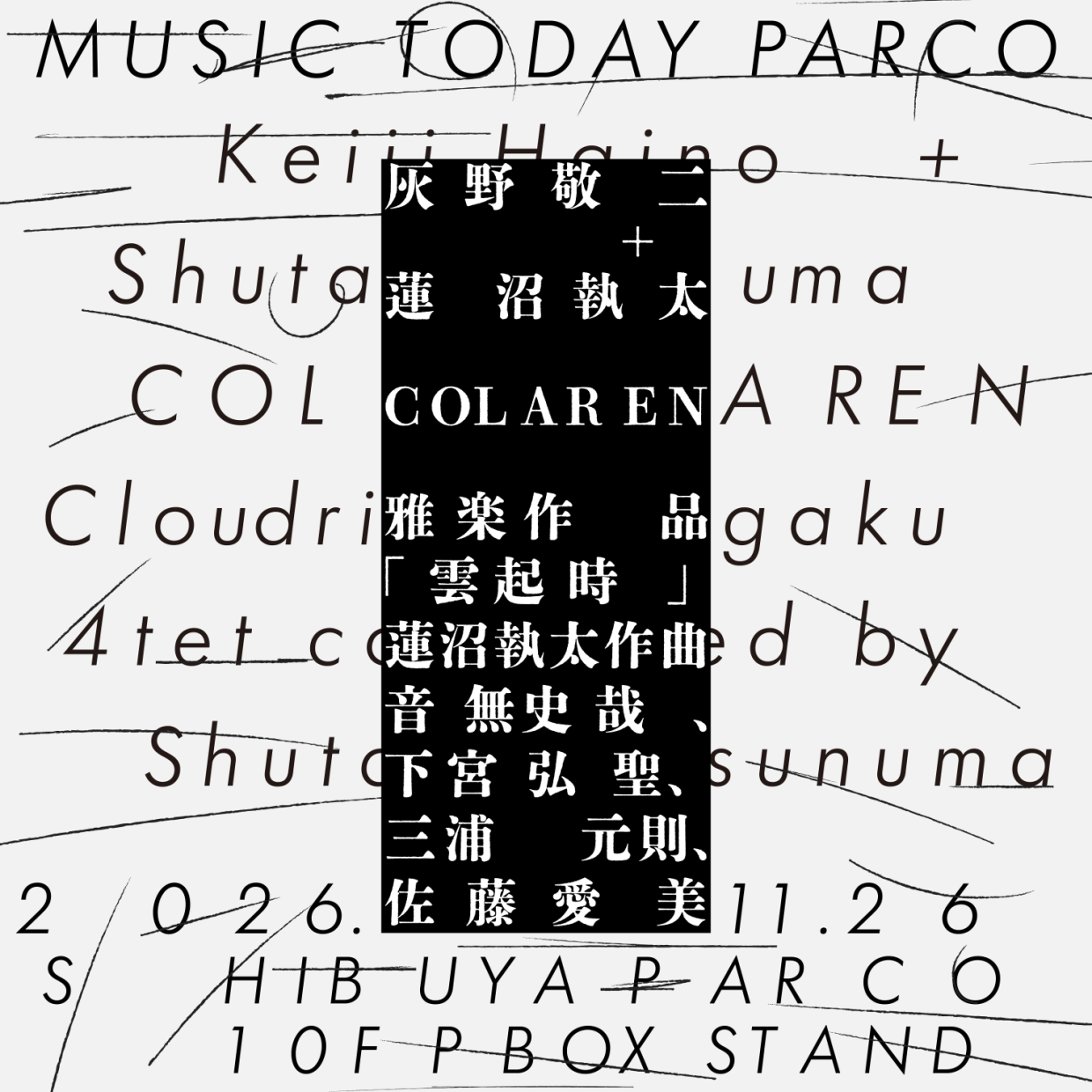
The event "MUSIC TODAY," planned and composed by Shuta Hasunuma, will appear as part of Shibuya PARCO's 7th anniversary. This is the first event in three years since the 2023 Tokyo Opera City Concert Hall: Takemitsu Memorial performance, and including events canceled due to the impact of COVID-19, this is the eighth event overall.
This performance will be held in darkness at Shibuya PARCO 10F PBOX STND venue. By minimizing visual information and performing in darkness, the focus will be on an experience focused on the sound itself.
Additionally, the venue offers food and drinks tailored to the theme.
The title "MUSIC TODAY" is taken from the contemporary music festival "Today's Music (MUSIC TODAY)," which was held from 1973 to 1992, with composer Toru Takemitsu serving as music director. It originally started in 1973 as an opening commemorative performance at the Seibu Theater in Shibuya, Tokyo (now PARCO THEATER). The event, which Shuta Hasunuma has continued as his lifelong work, will coincide with Shibuya PARCO in 2026.
MUSIC TODAY PARCO
■ Date and Time
November 26 (Thu) Doors open 18:30 / Show starts 19:00
■ Venue
Shibuya PARCO 10F PBOX STND
■ Admission Fee
¥3,800
Click here for ticket sales
■ Cast
Keiji Haino + Shuta Hasunuma / COLA REN / Gagaku work "When the Clouds Rise" composed by Shuta Hasunuma (Fumiya Otonashi + Hirosei Shimomiya + Motonori Miura + Manami Sato)
■ Credits
FOOD & DRINK: mountain△grocery by VEGE
the little bar of flowers / mossan
Sound: Toshihiko Kasai
Promotional Art: Yosuke Mori
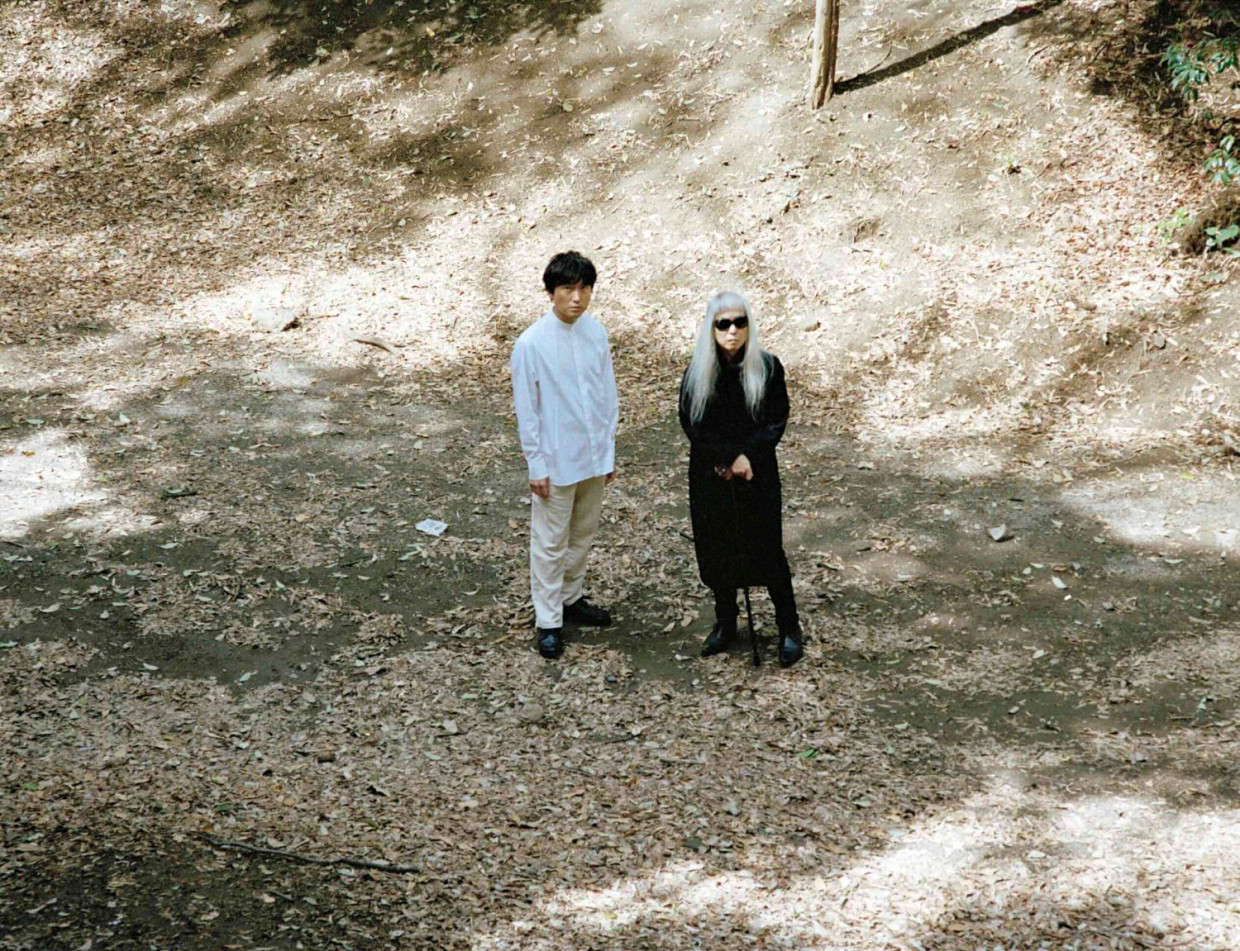 Keiji Haino + Shuta Hasunuma Photo by Riku Ikeya
Profile | Shuta Hasunuma
Musician and artist. Born in Tokyo in 1983.
Shuta Hasunuma organizes the Shuta Hasunuma Philharmonic Orchestra, creating music for various media including film, television, theater, dance, fashion, and advertising, as well as performing music both domestically and internationally. He also applies the method of "composition" to create sculptures, videos, installations, performances, and projects using material expression. Recent albums include Shuta Hasunuma Team's "TEAM" (2025) and Keiji Haino + Shuta Hasunuma's "Uta" (2025). Recent concerts and performances include "unpeople Premiere" (Sogetsu Plaza Stone Garden "Heaven"/2024) and "Shuta Hasunuma W Philharmonic" (Suntory Hall/2026). Major solo exhibitions include "Compositions" (Pioneer Works, New York/2018) and "~ing" (Shiseido Gallery, Tokyo/2018). He received the 69th Minister of Education, Culture, Sports, Science and Technology Award for New Artists.
Profile | Keiji Haino
Musician. Born May 3, 1952 in Chiba Prefecture.
Inspired by Antonin Artaud, he initially pursued a career in theater, but after encountering The Doors, he switched to music. He explored and absorbed a wide range of music, from early blues artists like Blind Lemon Jefferson to medieval European music and popular songs from both Japan and abroad. In 1970, he joined the group "Lost Araaf," named after a poem by Edgar Allan Poe, as a vocalist. He also began producing solo recordings at home, teaching himself guitar and percussion. In 1978, he formed the rock band "Fushitsusha." He took a break from 1983 to 1987 for medical reasons. Since his return in 1988, he has been active internationally in various forms, including solo work, groups such as Fushitsusha, Nijimu, Aihiyou, Vajra, Sanhedrin, Seijaku, Nazoranai, and The Hardy Rocks, DJing under the name experimental mixture, and collaborations with other genres. He pushes the limits of guitar, percussion, hurdy-gurdy, wind instruments, string instruments, folk instruments from various regions, and DJ equipment through his unique playing techniques. He has released over 200 recordings and has performed live at least 2,000 times.
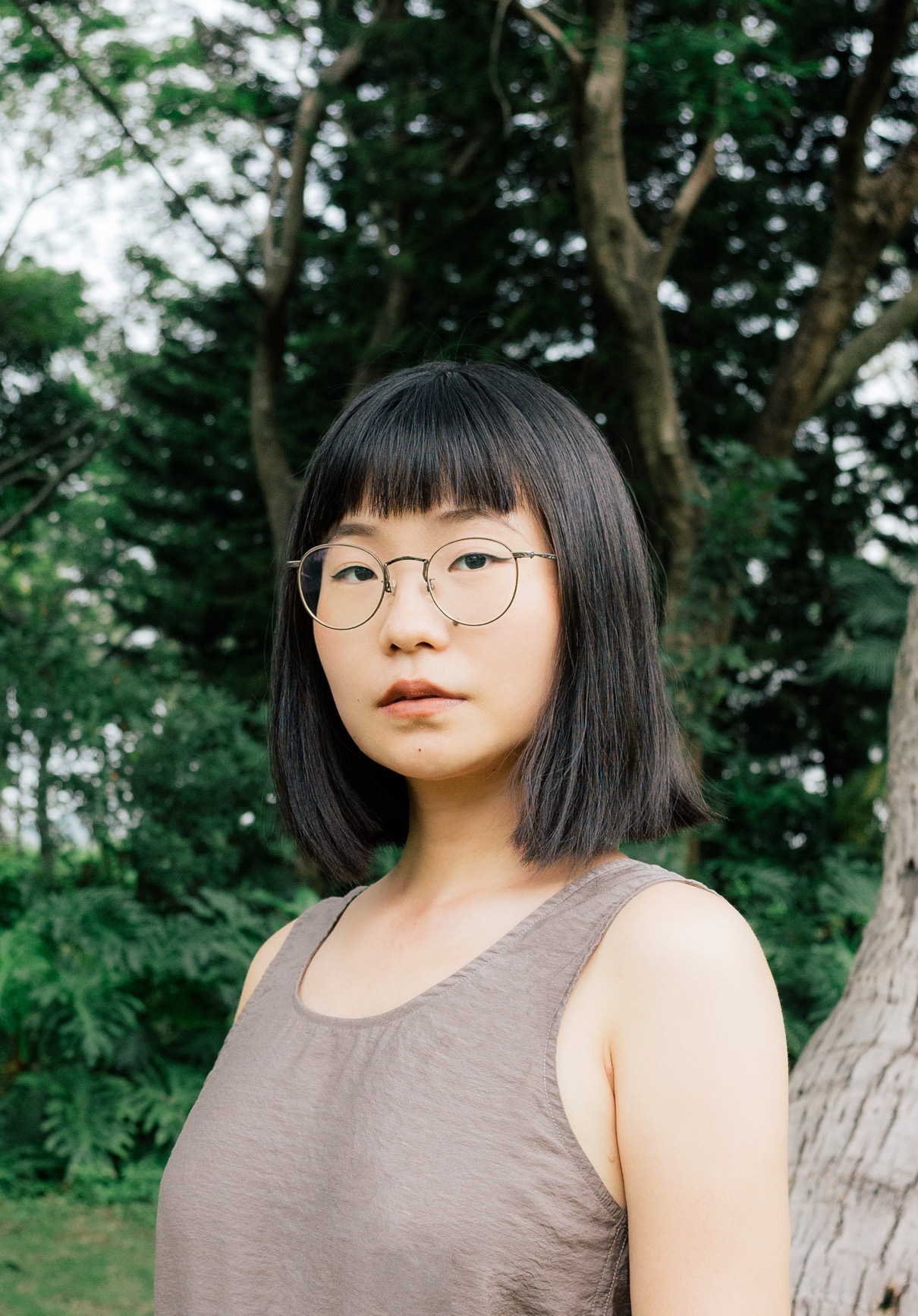 COLA REN
Profile | COLA REN
Born in Guangzhou, China, and based in Tokyo, she is a music producer and DJ. Inspired by her observations of humanity, introspection, and experiences gained from traveling the world, she is a multi-faceted artist. With a background in classical piano and fine art photography, she has cultivated a unique artistic vision deeply rooted in both music and visual art. She excels at creating organic images and emotional hues through sound, guiding listeners through the rhythmic origins of various cultures around the world. Having released music in Asia, Europe, and America, she has garnered support from international DJs such as Gilles Peterson, Shawn Reynaldo, and Philip Sherburne, and has collaborated with K-LONE, Al Wootton, Polygonia, Salamanda, Knopha, and Mong Tong. Her genre-crossing and narrative-driven sound and DJ approach reflect her unique perspective rooted in East Asian heritage, and her work has established a firm position in the increasingly globalized electronic music scene.
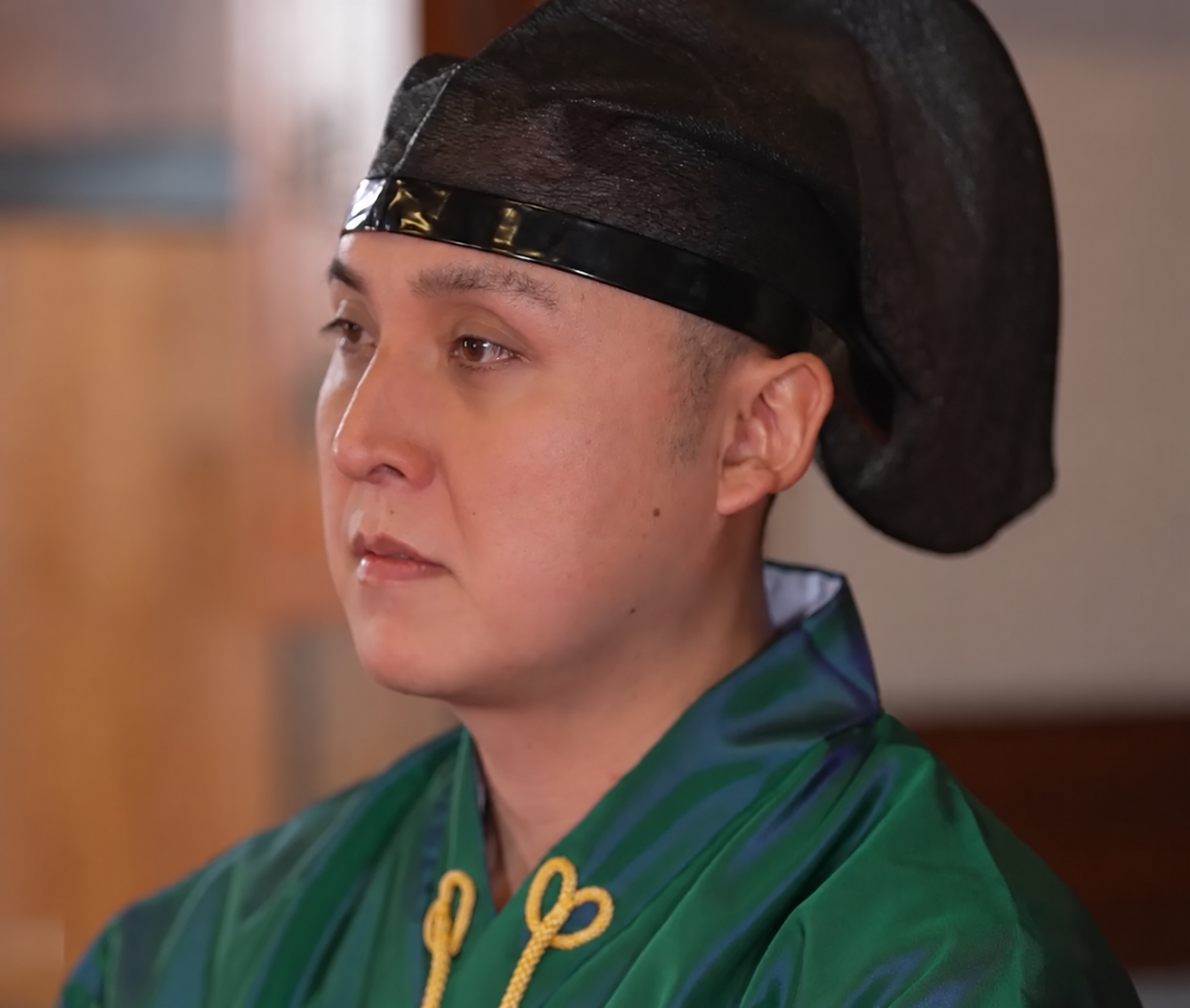
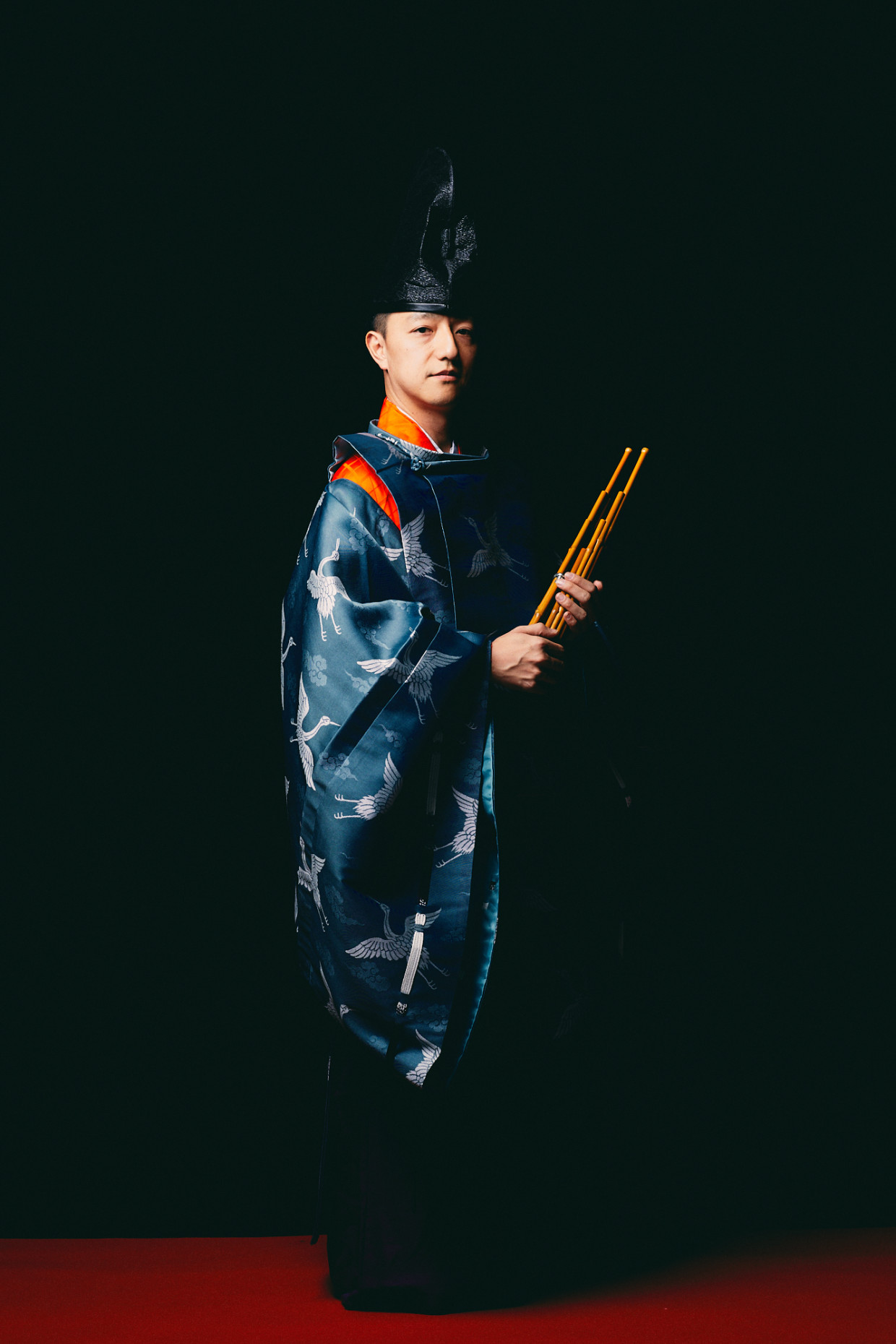 Otonashi Fumiya Photo by Ijt
Profile | Otonashi Fumiya
A performer of the sho (mouth organ) and gagaku (Japanese court music). After studying computer music, he took up the sho. He studied sho, gakuso (a type of zither), right-side dance, and ancient songs under Hideaki Toyo (former chief conductor of the Imperial Household Agency's Music Department). He co-founded the "Hanamai Tori Uta Fuyu Getsu Hibiki Gagakudan," which pursues elegance, and the "Gagaku Collegium," which researches and performs gagaku from the Heian and Kamakura periods. While performing, directing, and coordinating gagaku, and giving lectures and teaching at schools in Japan and abroad, he also extends the sounds and concepts of the sho and gagaku to contemporary music and expressive fields. He has participated in numerous domestic and international music projects, including the Shuta Hasunuma Philharmonic, Tim Hecker World Tour, the Hosho-kai "Yo-Noh" series, the Emmy Award-winning "SHOGUN," collaborations with other traditional performing arts such as Persian traditional music and Khmer dance, and music for television programs including NHK Taiga dramas, films, games, and spatial, video, and dance works.
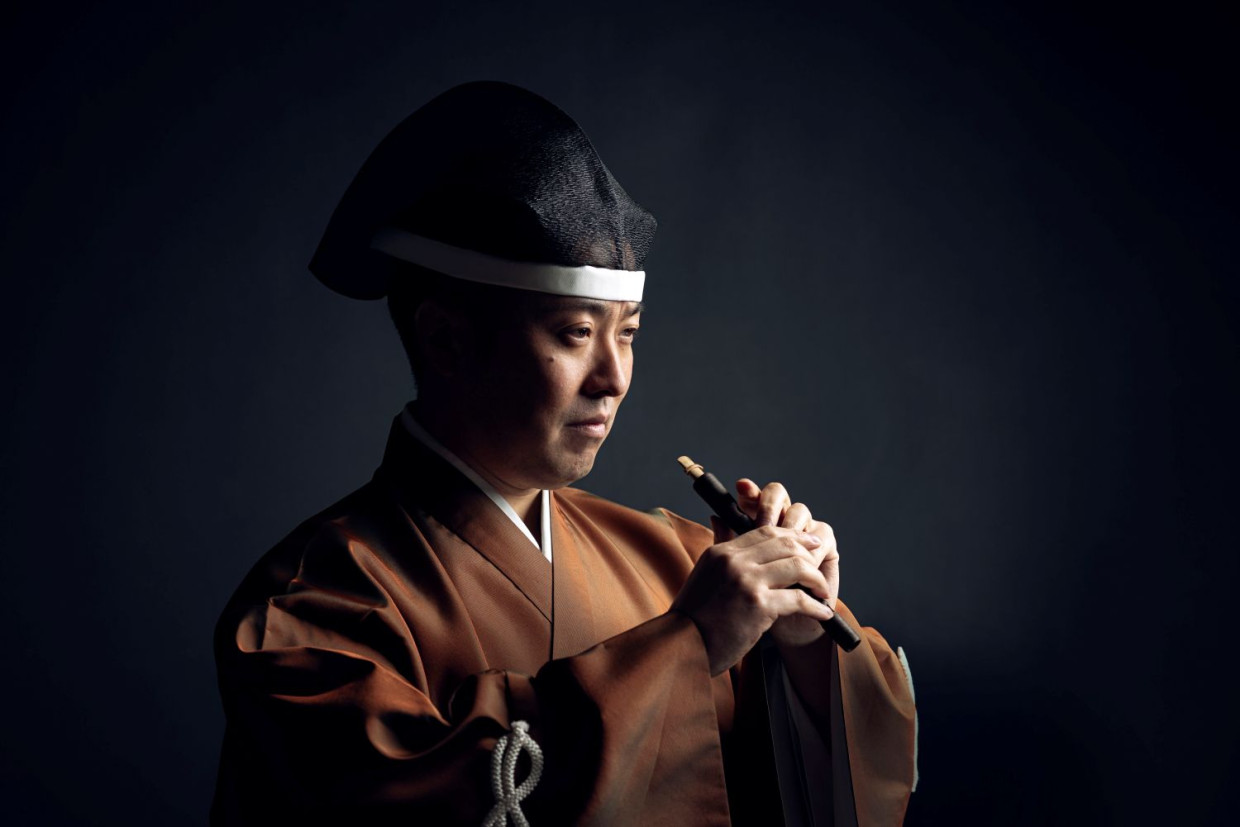
 Hiroaki Shimomiya
Profile | Hirosei Shimomiya
Gagaku performer and monk. Studied gagaku from the first year of high school. Studied all gagaku under Toyo Hideaki, former chief music director of the Imperial Household Agency's Shikibu Vocational Music Department. Works in a wide range of gagaku fields centered on the sho, sabu, gakubiwa, ancient songs, and uchimono. Head musician of the Tachibana Gayukai and head of Gagaku Shimokuma Ken. In addition to performing at temples and shrines and concerts, he also collaborates with contemporary musicians and participates in recording new works. Appeared in the NHK Taiga drama "Hikaru Kimi e." Major concert appearances include the Gagaku Shimokuma Ken "Gagaku Millennium Tradition" series and the Naoyuki MANABE GA GAKU Ensemble "Tradition and Innovation" series. Appeared in public lectures at the Kyoto City University of Arts Japanese Traditional Music Research Center "Restoration Studies of Gagaku" and "Gagaku: Attempts and Appreciations." He is in charge of the sō and has been involved in experiments exploring playing techniques and tempo based on old sheet music. He has also participated in CD works such as "Tradition and Future Surrounding Gagaku Akiba-ka" and "Gagaku: The Play of Heian ~Music of The Tale of Genji~." He also engages in activities that convey the appeal of gagaku to a wide range of generations, such as gagaku appreciation classes at schools and appearances in video materials.
 Motonori Miura
Profile | Motonori Miura
Hichiriki and gagaku performer. From Hiroshima Prefecture. Familiar with gagaku from a young age, he received instruction on hichiriki from his father Susumu Miura. He studied hichiriki and ancient kayō under Masaki Togi and right-hand dance under Tadaki (Imperial Household Agency Shikibu Shokrakubu Orchestra). Specializes in hichiri, rakkoto, umono, kayō, and right-hand dance. Graduated from the Department of Japanese Music, Faculty of Music, Tokyo University of the Arts. Lecturer at the same university (2015~2023) Engaged in performing classical music with the gagaku group "Tokyo Gakusho," as well as numerous premieres of contemporary music, recording, media appearances, and planning production. Appeared in NHK Taiga dramas and participated in soundtracks for the film "SHOGUN Shogun" and Studio Ghibli's "The Story of Princess Kaguya." He has participated in numerous music projects both domestically and internationally, including the Hosho-ryu Noh 'Night Noh Music Director,' 'Ensemble Muromachi,' Naoyuki MANABE GA GAKU Ensemble's 'Tradition and Innovation,' 'Iyasaka Project' (Miyamoto Unosuke Shoten), and the 'Tim Hecker world tour,' and has been active performing for 20 years.
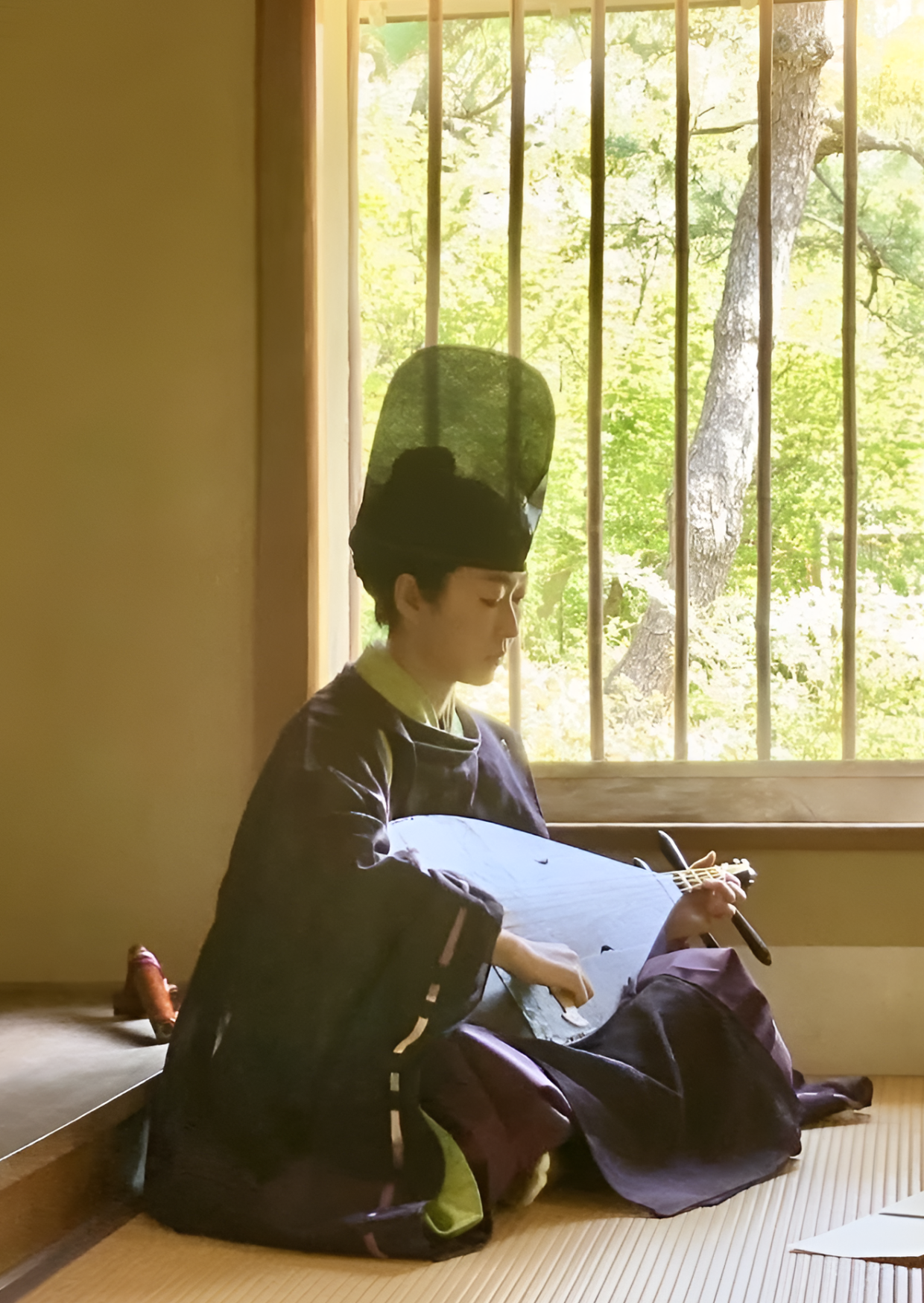 Manami Sato
Profile | Manami Sato
A player of the transverse flute and gagaku biwa. He encountered gagaku at Tanzan Shrine in Sakurai City, Nara Prefecture. Since then, he has honed his skills by studying right-side dance and ancient songs under Hideaki Toyo, former chief conductor of the Imperial Household Agency's Music Department; the flute under Takaki Koyama, a current musician; and the gagaku biwa under Yasuaki Toyo.
He co-founded the gagaku (Japanese court music) ensemble "Hanamai Tori Uta Fuyu Getsukyo Gagakudan," which celebrates the elegance of the four seasons, the "Gagaku Collegium," which deciphers ancient scores from the Heian and Kamakura periods and works to restore and perform the melodies of that time, and the unit "Yugen Gakusha," which combines Satsuma biwa and gaku biwa. In 2018, he participated in electronic musician Tim Hecker's world tour. In addition to performing in concerts in Japan, he also organizes his own events, expressing and disseminating the charm of gagaku from a new perspective.
Information
- Event period
- 2026.11.26 - 2026.11.26
- venue
- 10F PBOX STND
- Admission fee
- 3,800 yen
- Organizer
- windandwindows
- cooperation
- PARCO
- others
- Planning and production: windandwindows